
You’re not the only one who experiences one of the most common moments of indecision among homeowners who want to do lawn care in the right way.
In fact, timing is still more important than most people think. The moment when you decide to water after spreading granular fertilizer is how well those nutrients will move into the soil and reach the roots of your grass.
The Simple Guide that will help you. Watering right after fertilizing is not only about keeping your grass green; it is about allowing your lawn to take in every bit of the food that you have just given it. With proper timing and a simple routine, you can make every fertilizer application result in real, lasting growth.
The Right Time to Water After Applying Granular Fertilizer
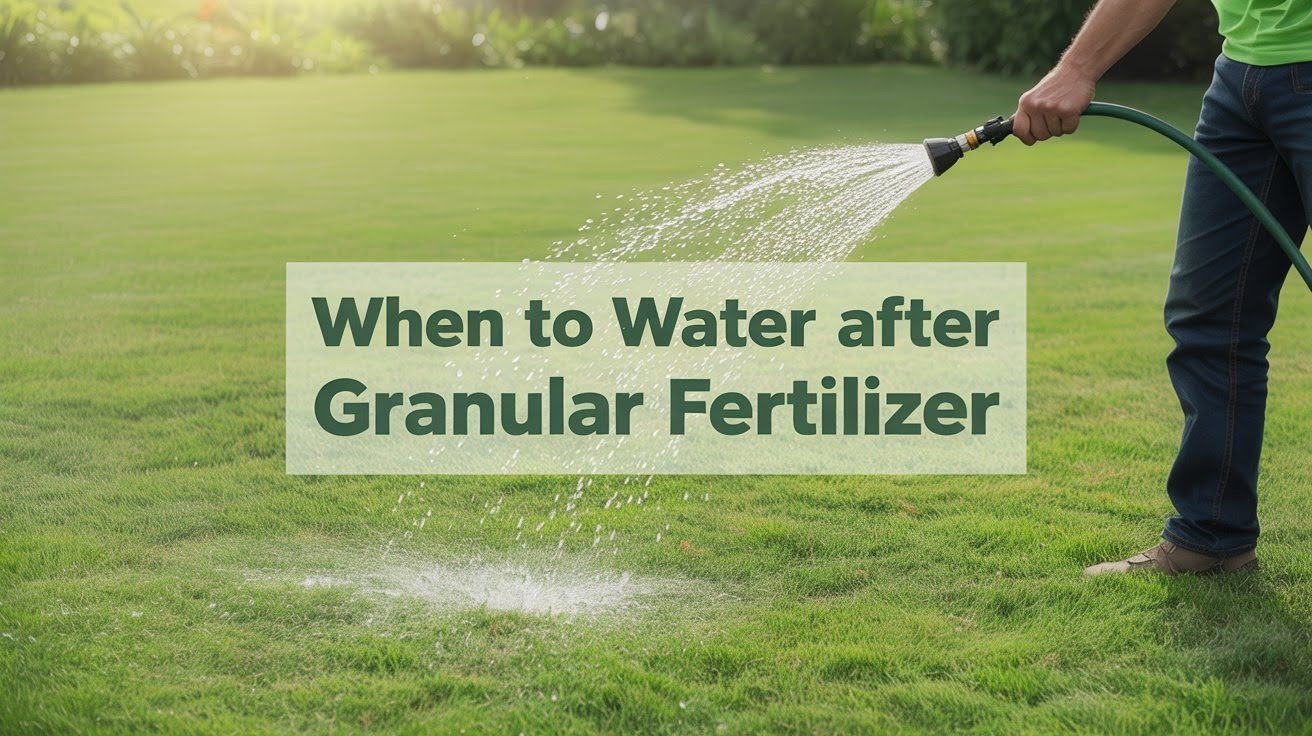
Timing is everything when it comes to feeding your lawn. After spreading granular fertilizer, you should water right away or within a few hours. This quick action helps dissolve the granules so nutrients can move into the soil where your grass roots can absorb them effectively.
I’ve noticed that lawns watered promptly after fertilizing stay greener and grow more evenly. Waiting too long, however, can cause the fertilizer to sit on top of the grass, leading to dry patches or even leaf burn, something every lawn owner wants to avoid.
Think of watering as the final, essential step in the feeding process. Without it, the fertilizer can’t do its job. A gentle watering not only activates the nutrients but also protects your grass from unnecessary stress.
Ideal Timing
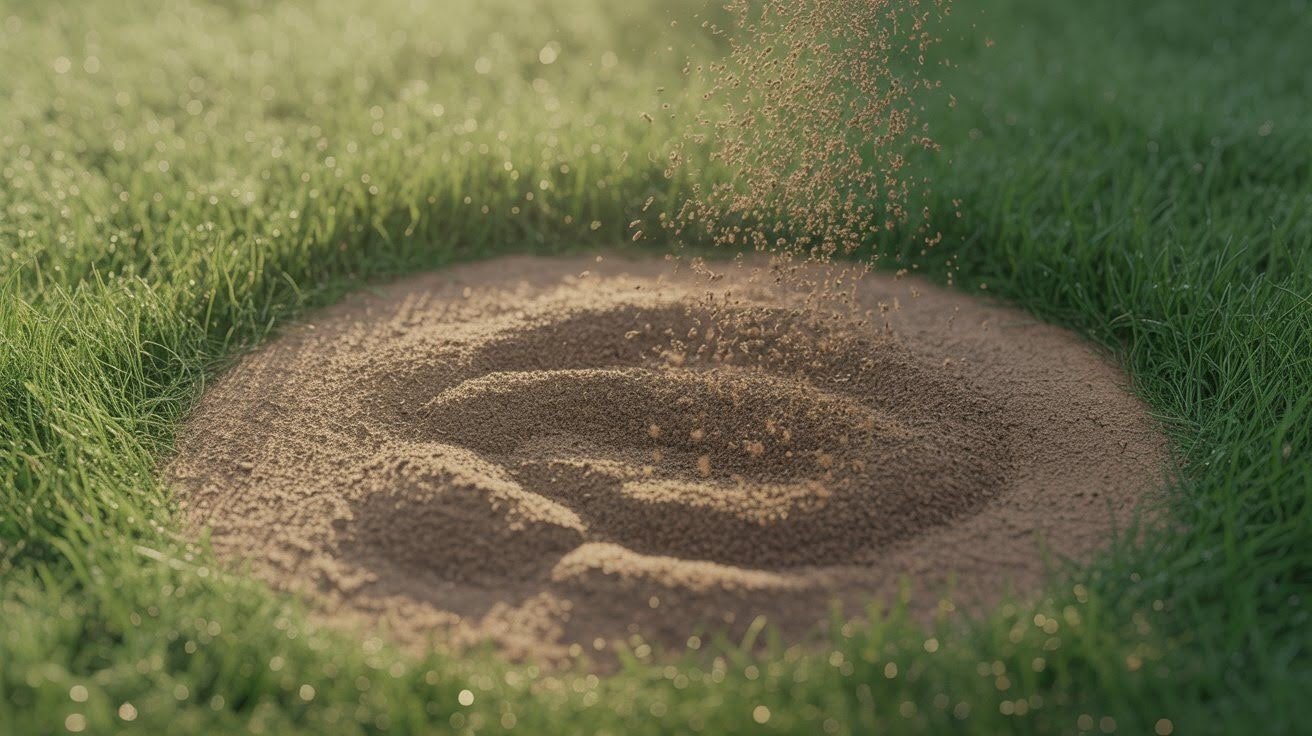
If you’ve just applied granular fertilizer, don’t wait days to water. Water immediately or within a few hours. That’s when the nutrients are ready to dissolve and move toward the soil where the roots can absorb them.
Granular fertilizer doesn’t start working until it gets moisture. Water activates the granules, helping them break down and release nutrients into the root zone. Without that, your grass just sits there waiting for food that never comes.
A timely watering turns your application into actual growth. It’s one small step that can make a big difference in how your lawn looks and feels.
How Much Water to Use
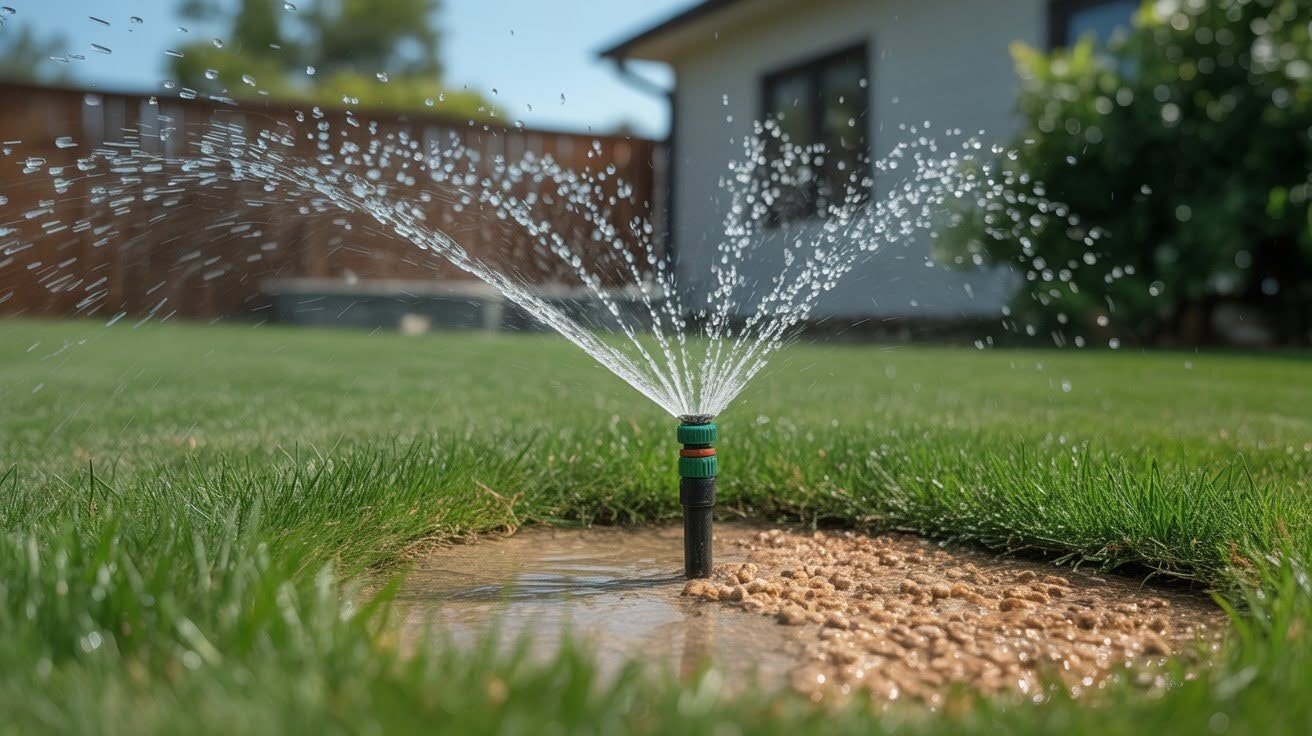
Think of watering after fertilizing as making a cup of tea; you want just enough water to steep the ingredients, not flood them. Apply about ¼ inch of water. That’s enough to dissolve the granules and start nutrient absorption.
Too much water right away can cause runoff, especially on sloped lawns, washing away your investment. Gentle watering helps nutrients move downward instead of sideways.
If you’re unsure, use a small rain gauge or a shallow container to measure how much water your lawn is actually getting during your first test run.
Why It Matters
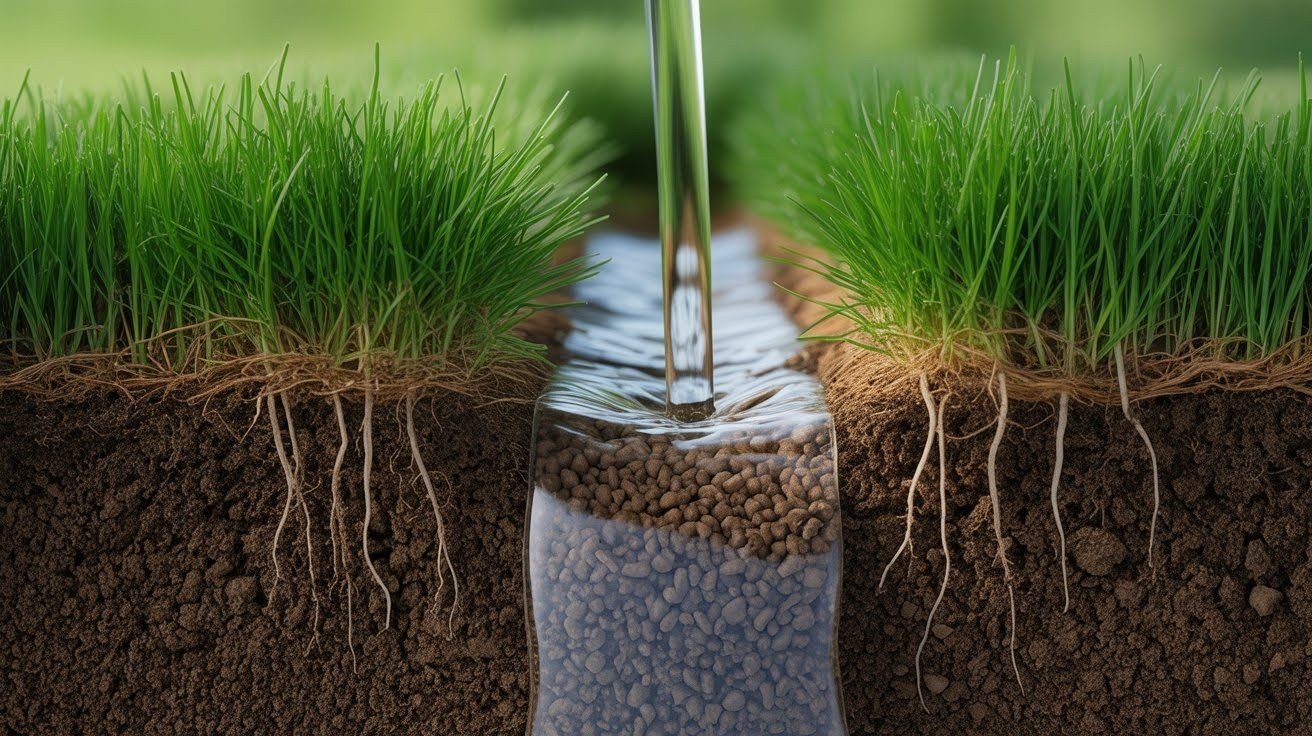
Granules left sitting on dry grass can stick to blades and cause burns, leaving brown patches where green should be. Watering right after fertilizing washes those granules into the soil, protecting your grass and activating nutrients.
Moisture is what carries nitrogen, potassium, and phosphorus where they’re needed most the roots. Without it, the fertilizer stays on the surface, unable to feed the plant effectively.
Simply put, watering right after applying granular fertilizer turns a surface treatment into deep nourishment. It’s the difference between feeding your lawn and just sprinkling pellets.
Signs You Watered Too Little After Fertilizing
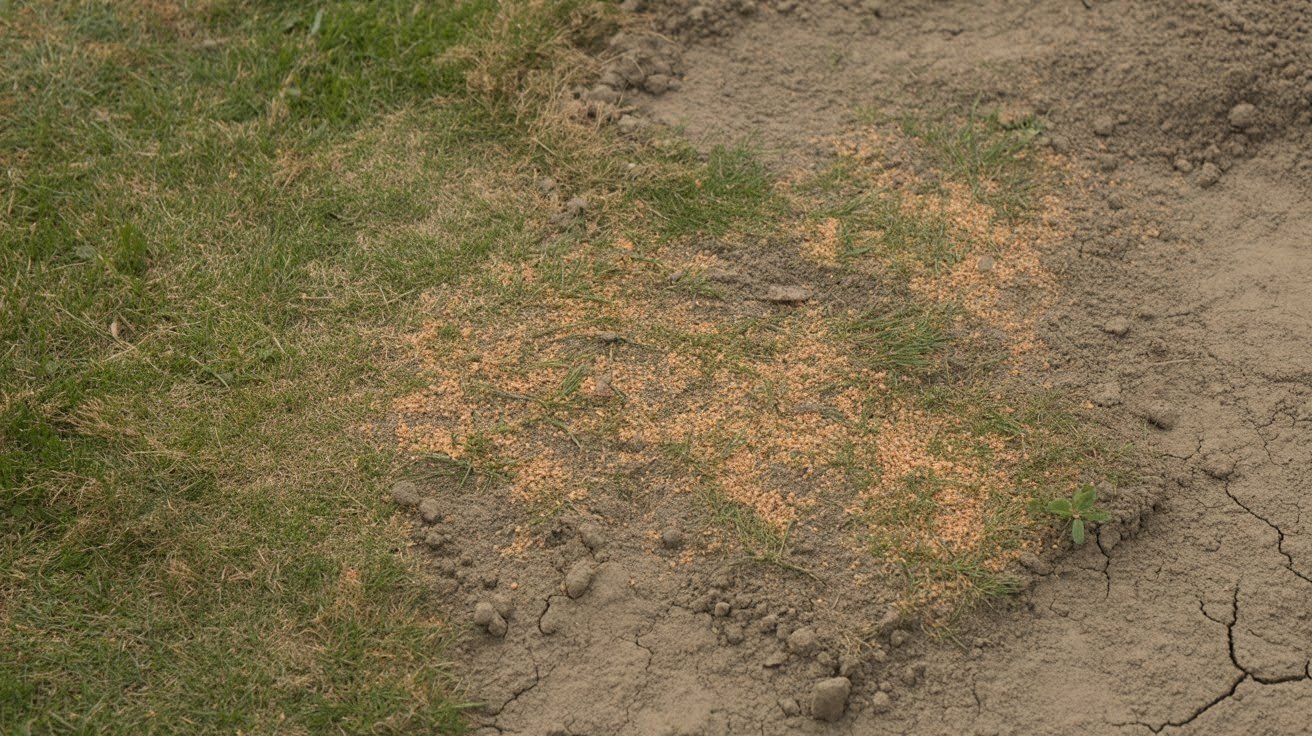
It’s easy to think a quick sprinkle is enough, but if the soil stays dry beneath the surface, your fertilizer won’t activate properly. I’ve seen lawns stay patchy simply because the watering wasn’t deep enough.
A good check is to press your finger an inch into the soil. If it feels dry, the water didn’t reach deep enough. Grass roots need consistent moisture to absorb nutrients efficiently.
After applying fertilizer, aim for an even, gentle watering that moistens the top few inches of soil. This ensures every part of your lawn benefits from the nutrients you’ve just applied.
What Happens If You Overwater After Fertilizing
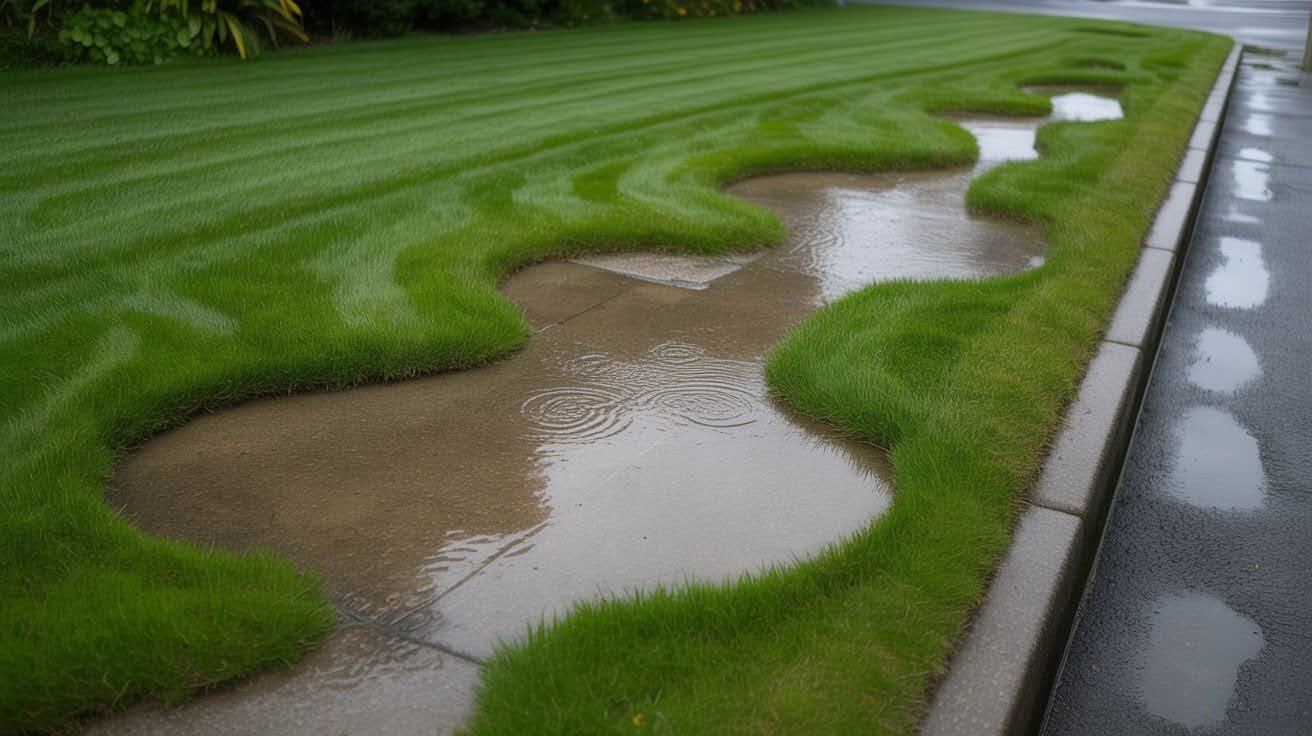
Overwatering can be just as harmful as not watering at all. Too much water can push nutrients below the root zone, wasting your fertilizer and your time.
If you notice water pooling on the surface or running off onto sidewalks, it’s a sign you’ve gone overboard. In my experience, lighter, more frequent watering sessions work better than long soaking ones right after fertilizing.
To keep nutrients where they belong, water slowly and watch how the soil absorbs it. Your goal is moisture, not saturation.
Best Time of Day to Water After Granular Fertilizer
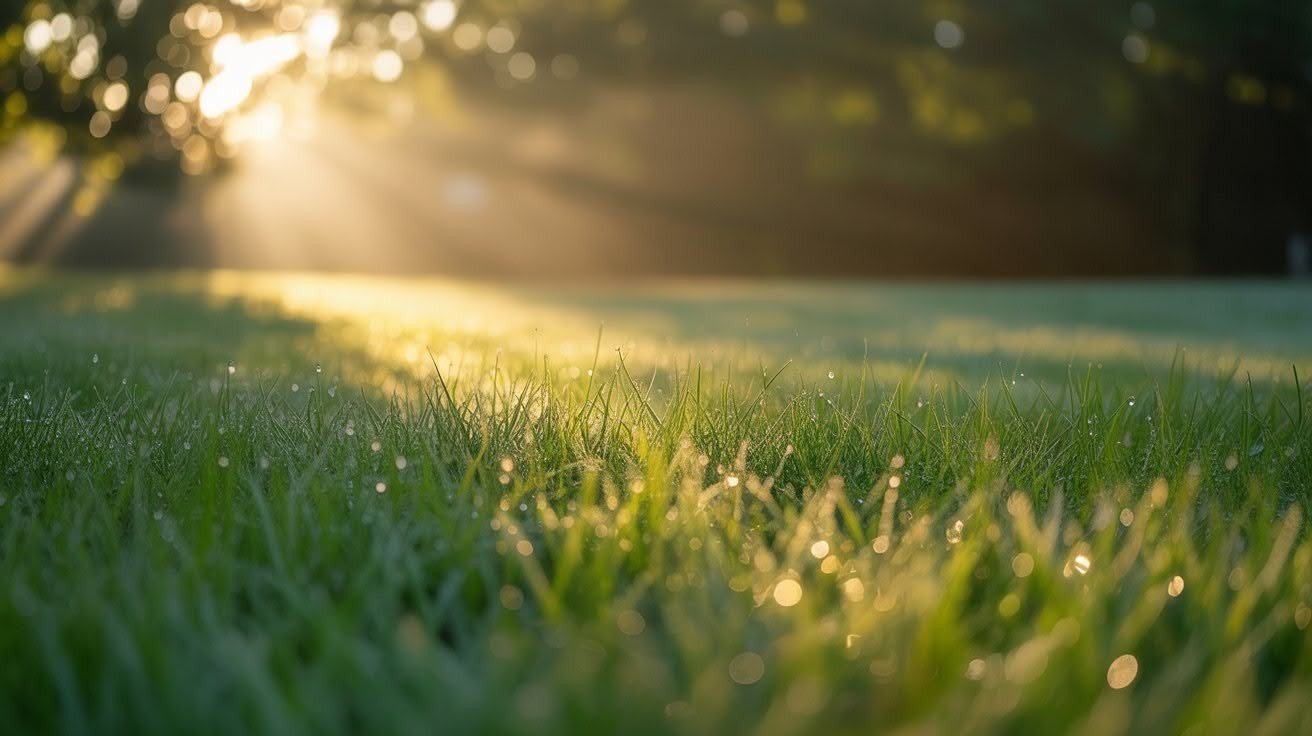
Morning is always the best time. The air is cooler, and the sun isn’t strong enough to evaporate the water too quickly. This gives your lawn plenty of time to soak up nutrients efficiently.
Watering in the middle of the day wastes effort since most of it evaporates before reaching the roots. Late evening watering might seem convenient, but it can leave your grass damp overnight and invite fungus.
From my own routine, an early morning watering right after applying fertilizer always produces stronger, healthier growth across the yard.
Adjusting Watering for Different Lawn Types
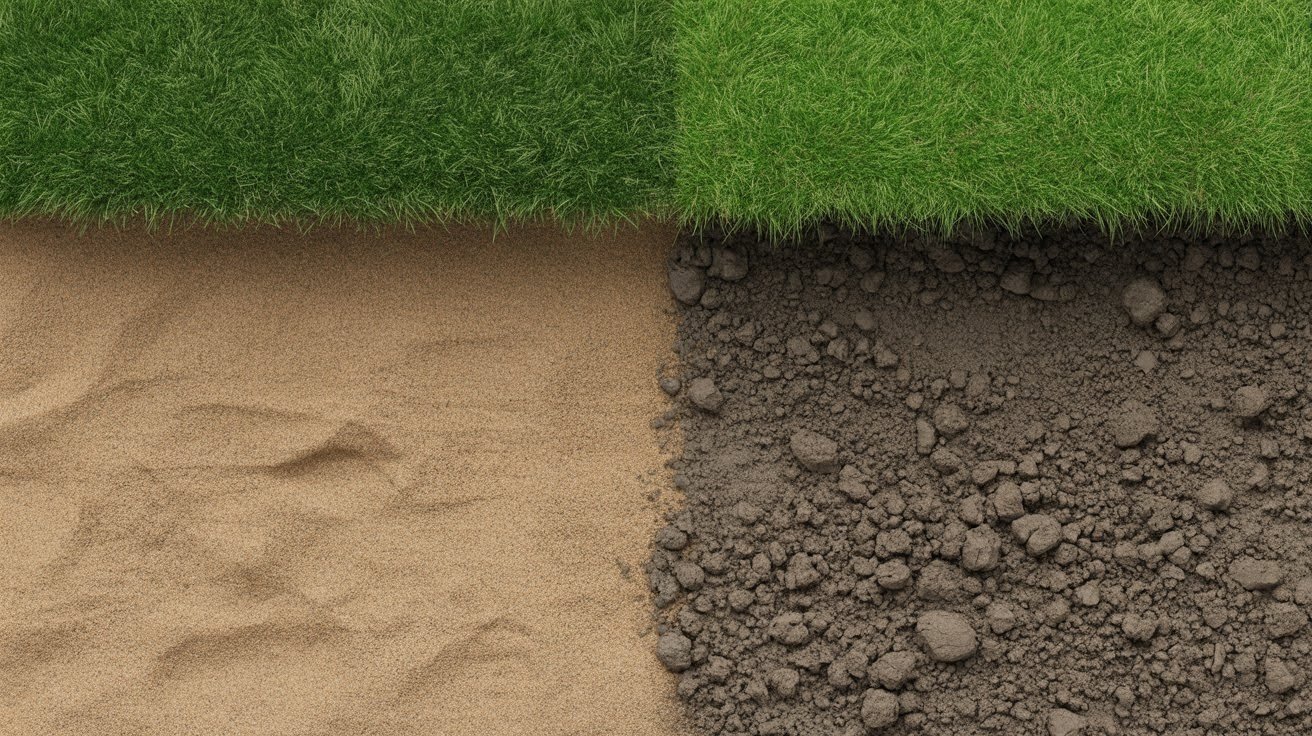
Not every lawn needs the same amount of water after fertilizing. Sandy soils dry out faster, so they need lighter but more frequent watering. Clay soils, on the other hand, hold moisture longer and can get soggy if overwatered.
If your lawn has a mix of both, focus on balance, and adjust watering time slightly based on the driest areas. This helps avoid uneven coloring and patchy growth.
I’ve learned that observing how quickly your soil absorbs and dries out is the best way to personalize your watering schedule after fertilizing.
Checking Rain Forecast Before Fertilizing
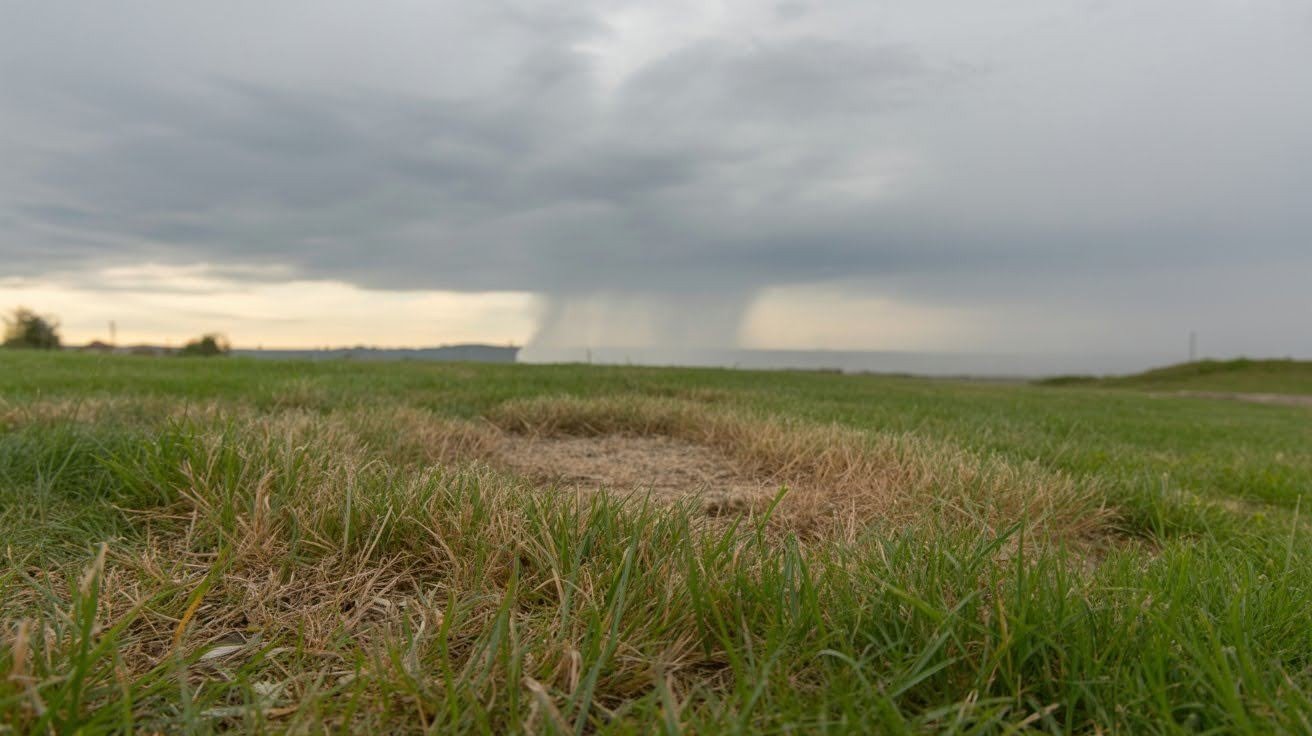
Before applying fertilizer, always take a moment to check the weather. A light rain within a few hours can save you from turning on the sprinkler, but heavy rain can wash away everything you just applied.
I’ve made the mistake of fertilizing right before a downpour. It’s frustrating to see all that effort flow down the driveway. Light rain is fine; heavy storms are not.
Planning ensures your fertilizer stays where it should be: in the soil feeding your lawn, not washed into the street or drain.
How Often to Fertilize and Water for Best Lawn Results
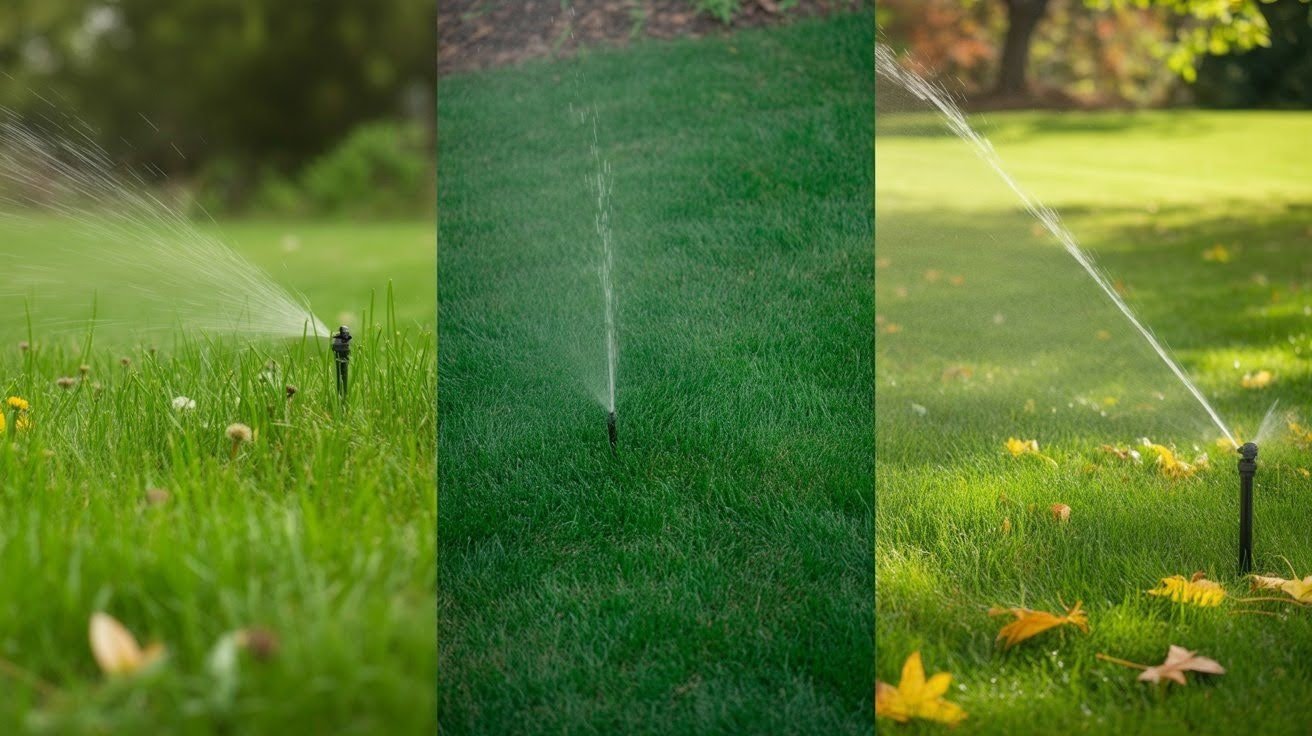
Feeding your lawn isn’t a one-time event. Most lawns benefit from granular fertilizer three to four times a year, depending on the climate and grass type.
After each application, remember the rule for when to water after granular fertilizer is immediately or within a few hours. Consistent watering after each feeding keeps your lawn thick and resilient.
I like to follow a simple plan: fertilize at the start of each growing season, water right after, and maintain regular watering sessions to keep the nutrients active in the soil.
Understanding Granular vs. Liquid Fertilizer
It helps to know what kind of fertilizer you’re using before deciding when to water after granular fertilizer. Granular and liquid fertilizers work very differently.
| Fertilizer Type | How It Works | Watering Timing | Personal Tip |
| Granular Fertilizer | Applied as dry pellets; dissolves slowly in soil | Water immediately or within a few hours | I always water soon after applying to prevent burns and activate nutrients. |
| Liquid Fertilizer | Mixed with water and sprayed directly on leaves | Wait 24-48 hours before watering | Give your lawn time to absorb nutrients through the foliage first. |
| Slow-Release Granular | Coated for gradual release | Light watering helps start the process | Gentle moisture keeps releasing steadily without washing away granules. |
How to Water Correctly After Granular Fertilizer
Even if you know when to water after granular fertilizer, doing it correctly matters just as much.
- Start by applying your fertilizer evenly with a drop or rotary spreader. Once you’re done, sweep up any excess granules on sidewalks or driveways they can stain and waste nutrients.
- Next, water gently for 15 to 20 minutes, depending on your sprinkler’s output. The goal is even coverage, not puddles. Adjust based on your soil type; sandy soil needs shorter bursts more often.
- Consistency is key. Even moisture ensures all parts of your lawn receive nutrients equally, leading to uniform growth.
Tools and Techniques
If you use a hose-end sprayer or automatic sprinkler, keep the pressure low for an even spread. High pressure can cause runoff and uneven watering.
On sloped areas, divide watering into two shorter sessions a few hours apart. This allows water to soak in slowly instead of rushing downhill.
I often check a few spots with a screwdriver. If it slides in easily, the soil’s moist enough for nutrient absorption.
Common Mistakes to Avoid
Getting when to water after granular fertilizer wrong can cost you results. Here are common mistakes I’ve learned to avoid over the years:
- Overwatering right after application can wash nutrients away.
- Letting fertilizer sit on dry grass too long may burn the blades.
- Fertilizing before heavy rain can rinse away everything you just applied.
- Skipping watering altogether, your fertilizer won’t activate.
- Using high pressure on sprinklers causes runoff and uneven coverage.
- Forgetting to sweep extra granules off pavements prevents stains and waste.
- Ignoring soil type, clay holds water longer; sandy soil drains faster.
Conclusion
The bare minimum success requirement: watering immediately after spreading a granular fertilizer. This move ensures that the nutrients dissolve in the soil and get to the roots, thus making your lawn the best way to become thick and healthy.
Consistent watering builds a strong root system and keeps your lawn healthy during hot and dry and rush periods. In case you omit this step, it is most probable that you will be wasting fertilizer and getting weak results.
Remember that when you water at the right time, it not only rescues your lawn but also you spend the energy as well as hard work to so it will be a drop in your effort, time, and money.
Frequently Asked Questions
How soon should I water after applying granular fertilizer?
You should water immediately or within a few hours after applying granular fertilizer. This activates the nutrients and helps them reach the roots quickly for better absorption.
Can I wait until the next day to water after fertilizing?
It’s best not to wait. Delaying watering can cause granules to sit on the grass too long, increasing the chance of burn and reducing fertilizer effectiveness.
How do I know if I’ve watered enough after fertilizing?
Use a small container to measure about ¼ inch of water. The soil should feel damp 1-2 inches deep without puddles forming on top.
What happens if it rains after I fertilize?
Light rain helps activate the fertilizer, but heavy rain can wash it away. Always check the forecast before applying granular fertilizer.
Should I water iqusingsing a liquid, too?
No, wait 24-48 hours before watering. Liquid fertilizer needs time to be absorbed through the leaves, unlike granular fertilizer, which requires immediate moisture.