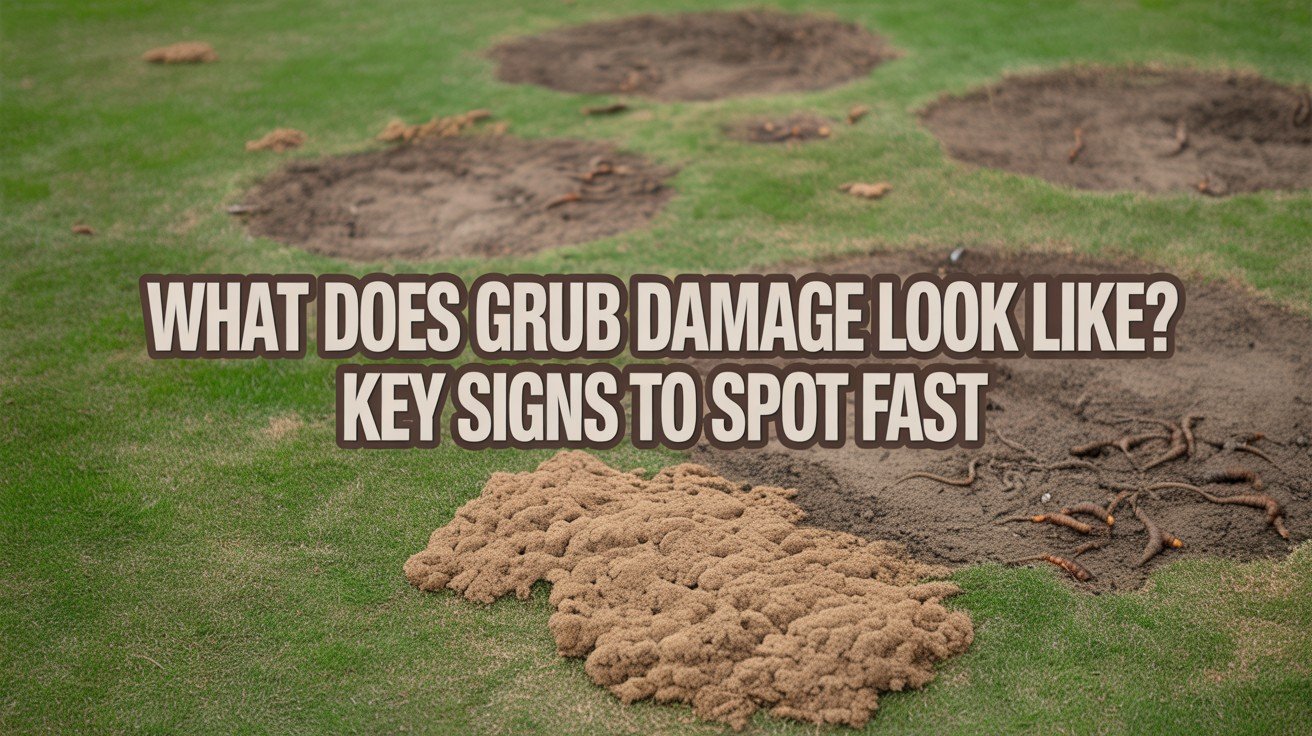

Did you step outside to know that your gorgeous green lawn has been turned into a patchy mess with brown spots? You are not the only one. The caterpillar pests that attack the grass of the lawn are the reason for this problem that many homeowners have to face.
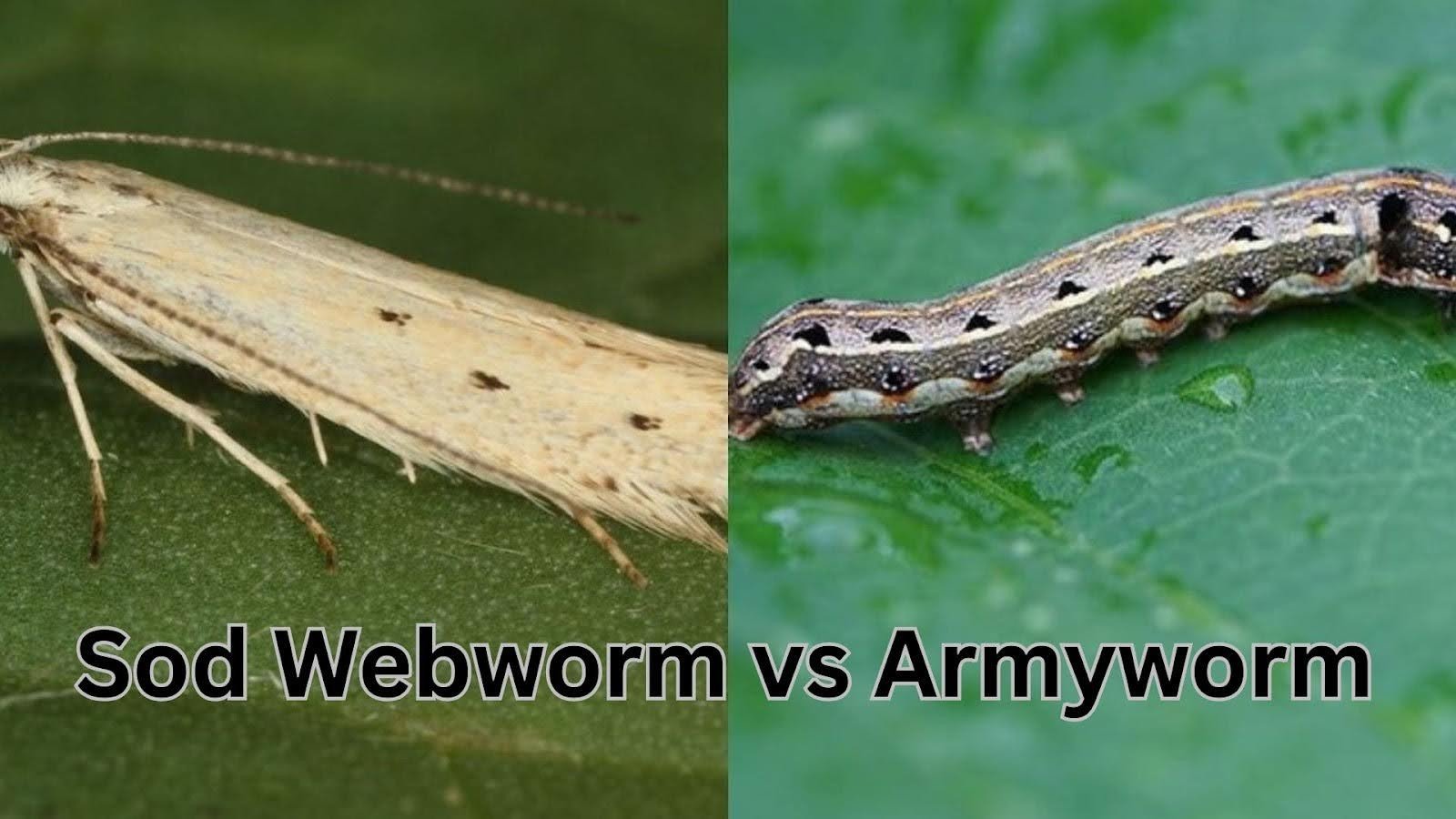
Generally, two kinds of pests that larvae of sod webworms and armyworms, are the major sources of lawn damage. Even if these two insects might appear to be the same, you can save your lawn by understanding the difference between sod webworm vs armyworm.
This guide will help and protect your lawn.. You are able to put an end to these pests only after ascertainment. This manual will provide you with the knowledge of identifying the pest that is eating your grass.
Sod Webworm vs Armyworm: How to Identify and Treat Lawn Pests Fast
If your lawn looks patchy or dry, you could have sod webworms or armyworms. Knowing the difference helps you treat the problem fast and protect your grass.
| Feature | Sod Webworm | Armyworm |
| Speed of Damage | Damage spreads slowly. Brown spots appear over time. | Damage spreads very fast. Big bare areas show up overnight. |
| Damage Look | Grass tips look chewed. The lawn gets thin in patches. | Grass looks eaten close to the soil in large sections. |
| Feeding Style | Feeds alone. Active mostly at night. | Moves together in groups. Eats everything in its way. |
| When You’ll Notice Them | Easier to see in the evening or early morning. | Can be active all day when there are many. |
| How to Respond | Treat small spots early to stop more damage. | Treat right away to protect the rest of the lawn. |
What are Sod Webworms?
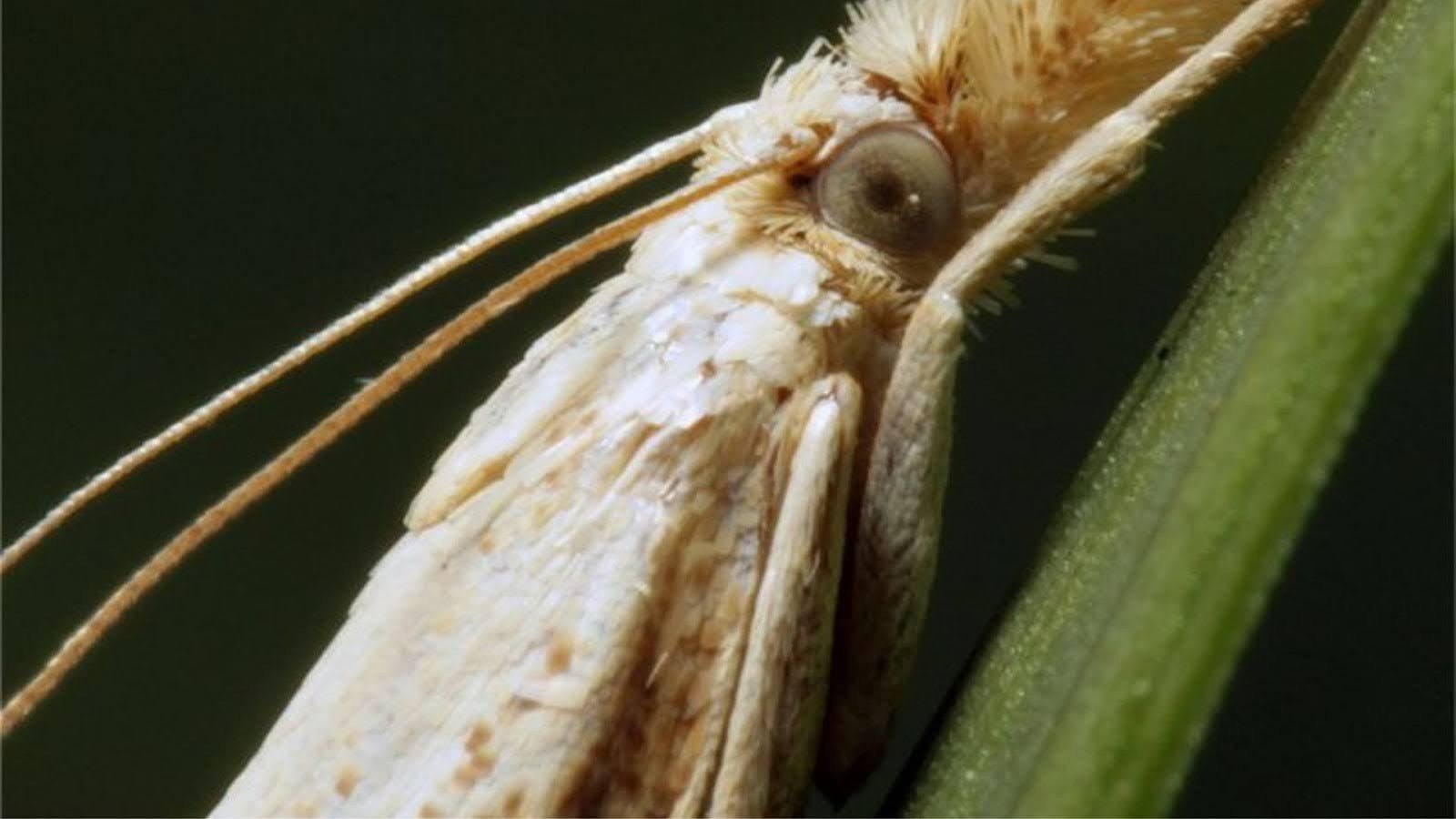
Sod webworms are tiny caterpillars that can quietly munch away at your lawn while you’re not looking. You might notice small brown patches appearing on your grass, often in sunny areas, which is usually the first sign these pests are present.
These caterpillars start life from eggs laid by small moths that fly in a zigzag pattern over your yard at dusk. Each moth can lay hundreds of eggs, and once hatched, the young webworms begin feeding at night.
Caring for your lawn and spotting the problem early makes a huge difference. You can check for sod webworms using a simple soap flush test, which brings them to the surface quickly. Once you know they’re there.
Identifying Sod Webworms
Sod webworms leave specific clues in your yard. Small moths flying in a zigzag pattern over your lawn at dusk signal their presence. These moths don’t damage grass themselves, but they lay eggs that hatch into hungry caterpillars.
Look for irregular brown patches in your grass, especially in sunny areas. The damage starts small, about the size of a baseball, then spreads outward. You might see silk-lined tunnels near the soil surface. Birds pecking at your lawn often mean they’re hunting for these caterpillars.
The best way to confirm sod webworms is the soap flush test. Mix two tablespoons of dish soap with two gallons of water. Pour this mixture over a suspected area. Within ten minutes, the caterpillars will come to the surface if they’re present.
How to Prevent Sod Webworm Infestations?
Preventing sod webworms before they appear can save you a lot of time and stress. Regular lawn maintenance, like mowing at the correct height and keeping grass healthy, makes your yard less inviting to moths looking to lay eggs.
Watering habits also make a difference. Sod webworms prefer dry, stressed grass, so keeping your lawn evenly hydrated can reduce their activity. Focus on deep, infrequent watering to encourage strong roots, which helps your grass withstand caterpillar feeding.
Finally, keep an eye on shaded or less-traveled areas in your yard. These spots are often preferred by moths for laying eggs. By inspecting these zones regularly and maintaining them just like the rest of your lawn, you can catch early signs of an infestation before it spreads.
What are Armyworms?
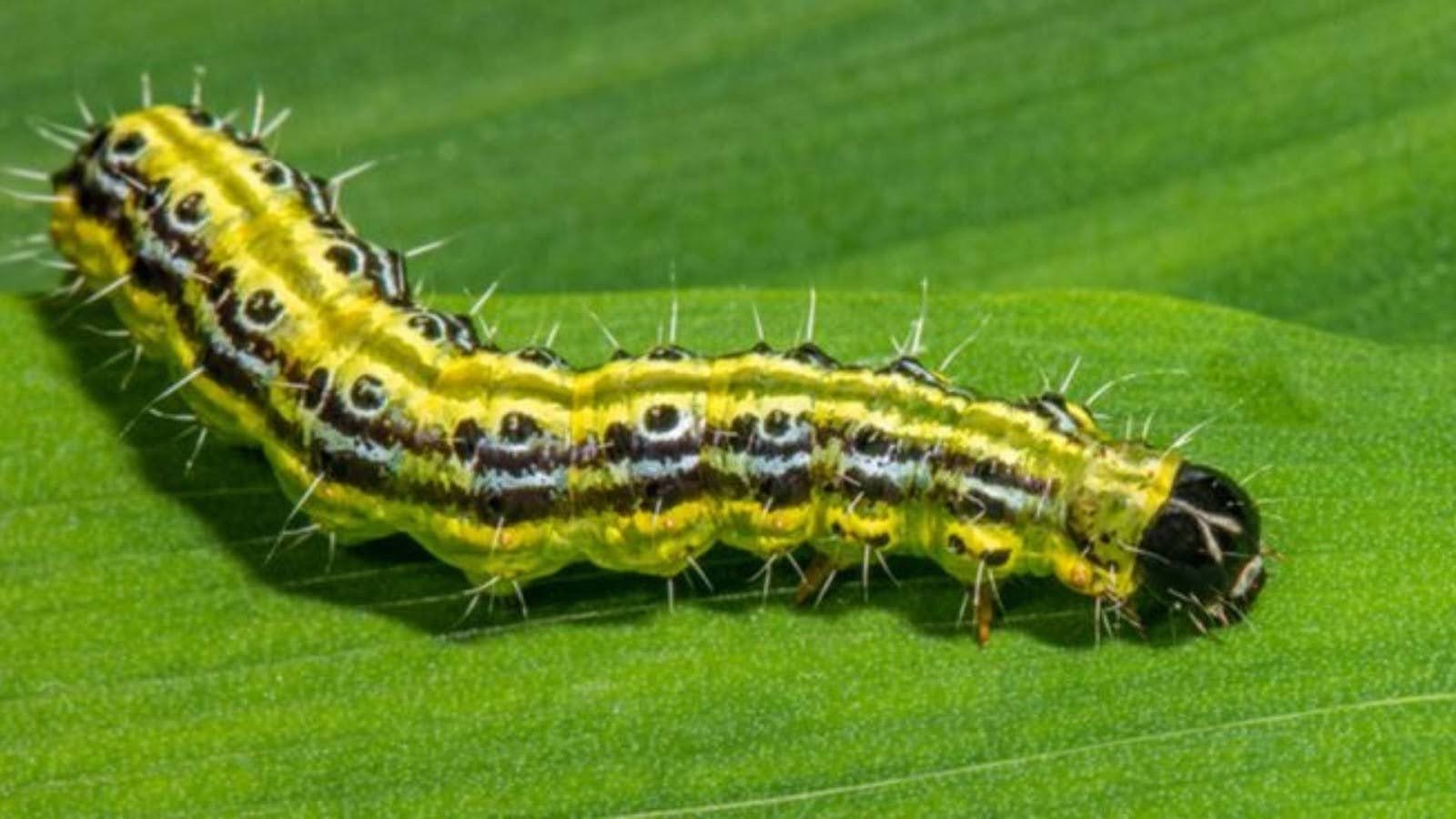
Armyworms are fast-moving caterpillars that can suddenly wreak havoc on your lawn. One day, your grass looks fine, and the next morning, large brown patches appear, often starting at the edges and moving inward.
These pests begin life when adult moths lay eggs on your grass, usually during warm nights. Each moth can lay hundreds of eggs that hatch quickly, and the young caterpillars grow fast, feeding almost constantly.
Catching armyworms early is key to saving your lawn. Regularly inspect your grass, especially in thick, lush areas, and apply treatments in the late afternoon or evening when they are most active. Acting promptly helps prevent widespread damage and keeps your yard looking healthy.
Identifying Armyworms
Armyworms create obvious damage that’s hard to miss. Your lawn might look fine one day, then show large brown sections the next morning. This rapid damage happens because armyworms feed in groups and eat constantly.
Check for caterpillars with distinctive stripes and a Y-shaped mark on their heads. They feel smooth to touch, unlike the slightly fuzzy sod webworms. Armyworms feed openly, chewing grass blades down to the stem.
These pests prefer areas with thick, lush grass. They often start at the lawn’s edge and work inward. Look for scattered droppings that look like tiny dark pellets near damaged areas. This is one of the clearest signs that armyworms have invaded your yard.
How to Prevent Armyworm Infestations?
Preventing armyworms starts with keeping your lawn healthy and closely monitored. Regular mowing at the proper height discourages caterpillars from settling in, while removing excess thatch reduces hiding spots.
Watering and fertilization routines also play a role. Armyworms are attracted to overly lush, nitrogen-rich lawns, so avoid over-fertilizing during peak armyworm season. Balanced care helps your lawn grow strong without becoming a target for infestations.
Early detection is essential. Walk your lawn in the late afternoon or evening, especially along edges and shaded spots, to check for caterpillars or signs of feeding. Acting quickly when you notice armyworms prevents large-scale damage and keeps your yard looking healthy.
Effective Treatment Methods for Armyworms and Sod Webworms
Getting rid of these lawn pests requires the right products used at the right time.
Bt (Bacillus thuringiensis) Products
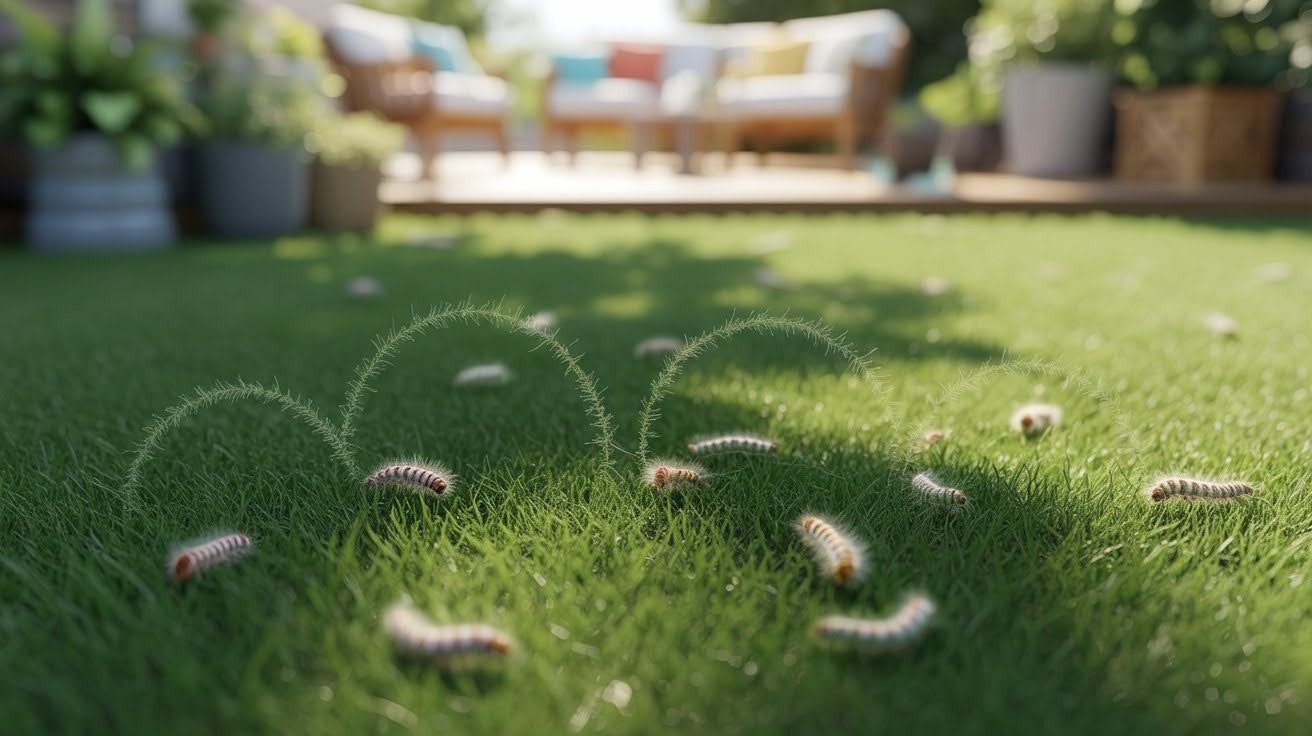
But offers a safe choice for families with kids and pets. This natural bacteria targets only caterpillars, leaving beneficial insects unharmed. Brand names include Dipel and Thuricide, both available at garden centers.
When caterpillars eat grass treated with Bt, the bacteria paralyze their digestive system. They stop feeding within hours and die within a few days. This method works best on young, small caterpillars. Larger ones prove harder to control with Bt alone.
Remember that rain washes away BT products. You’ll need to reapply after any rainfall. Also, apply it every five to seven days during heavy infestations. While this means more work, you gain peace of mind knowing you’re using a non-toxic solution.
Bifenthrin
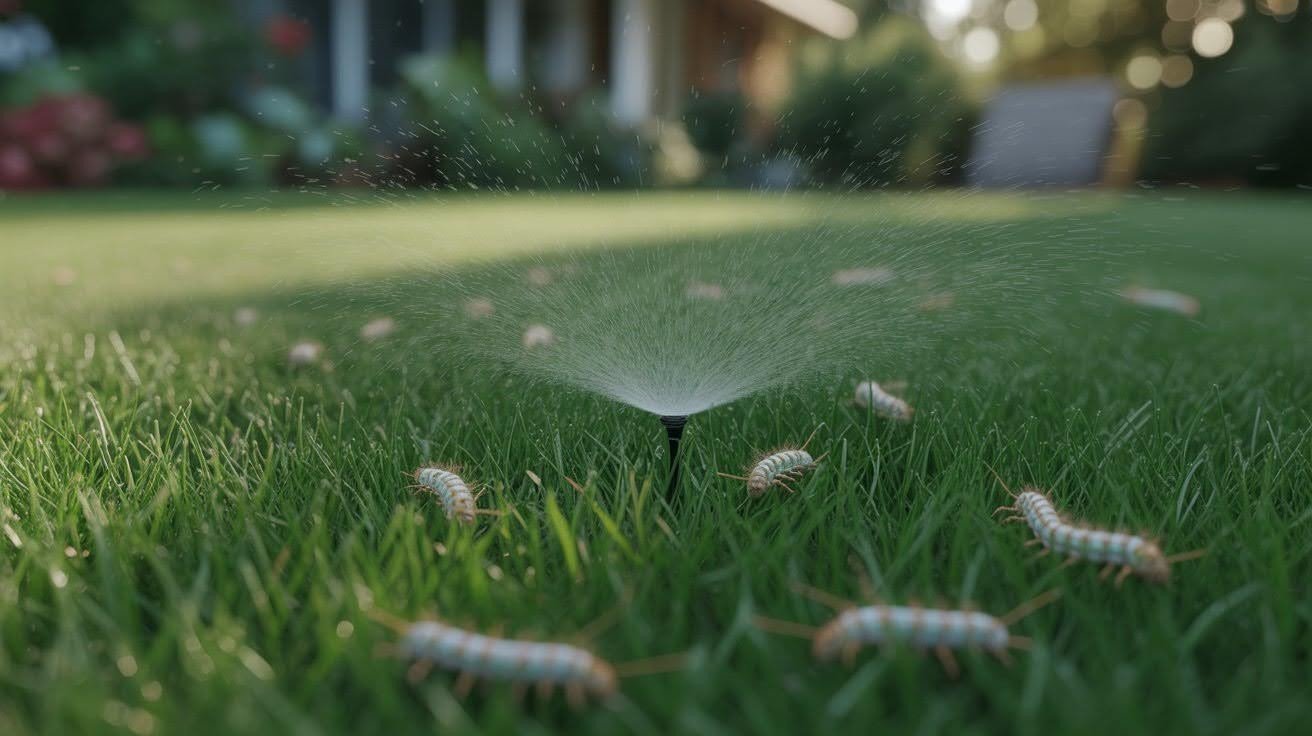
Bifenthrin kills caterpillars on contact and works fast. This synthetic insecticide targets young larvae most effectively. Apply it as a liquid spray to ensure good coverage on grass blades where caterpillars feed.
One major benefit of bifenthrin is its residual control. It keeps working for several weeks after application, protecting against new caterpillars. This longer-lasting protection means fewer applications compared to organic options.
You might need a second application 15 to 30 days after the first treatment. Watch your lawn closely during this period. If you see new damage or caterpillars, don’t wait, treat again. Timing your second application correctly prevents a new generation from causing more harm.
Common Mistakes to Avoid When Treating Lawn Worms
Learning from others’ mistakes saves you time, money, and lawn damage.
- Treating During Daytime: Many homeowners spray their lawns at noon when it’s convenient. But caterpillars hide during the day, so your treatment misses them completely. They’re tucked safely in the thatch layer or under grass clumps.
- Waiting Too Long After: Spotting Moths Seeing moths fly over your lawn means eggs are being laid right now. Don’t wait to see actual damage before treating. By the time brown patches appear, hundreds of caterpillars are already eating your grass.
- Missing the Second Application: One treatment rarely solves the entire problem. Eggs that weren’t hatched during your first application will hatch later. Mark your calendar for a follow-up treatment 15 to 30 days after the first one.
- Using Wrong Product Strength: Reading and following label directions matters more than you think. Too weak a mixture wastes your money and time without killing the pests. Too strong can damage your grass or harm beneficial insects.
- Insufficient Grass Blade: Coverage. Caterpillars eat grass blades, so that’s where your treatment needs to be. Spraying the soil doesn’t help much. Use enough water to carry the product onto leaf surfaces without washing it into the ground.
- Not Treating Shaded Areas: Thoroughly, your entire lawn needs treatment, but shaded spots need extra attention. Many people focus on sunny areas where damage shows first.
- Forgetting to Reapply: After Rain. If you’re using BT products and it rains, your treatment is gone. Rain washes this organic option away quickly. Check the weather before treating.
Conclusion
You can now tell sod webworms and armyworms apart by how they damage your lawn. Webworms cause slow, patchy damage, while armyworms eat fast and leave large brown areas.
Check your lawn often, especially in the evening. Look for moths, caterpillars, or brown spots on the grass. Act quickly when you see signs of feeding. Use the right treatment and repeat if needed to stop new caterpillars.
You can keep your lawn watered and trimmed to prevent them from returning. A little attention and timely care can stop these pests and keep your grass green and healthy all season.
Frequently Asked Questions
What’s the main difference between sod webworm vs armyworm damage?
Sod webworms create small, scattered brown patches that grow slowly over time. Armyworms cause large areas of damage very quickly, often overnight. Armyworms also completely strip grass down to stems, while webworms leave ragged blade edges in their feeding areas.
When is the best time to treat these lawn caterpillars?
Treat in late afternoon or early evening when caterpillars emerge to feed. Both sod webworms and armyworms hide during daylight hours and eat at night. Evening applications ensure the pests contact your treatment product, making it much more effective than daytime spraying.
Can beneficial insects help control sod webworms and armyworms naturally?
Yes, several beneficial insects eat these caterpillars. Parasitic wasps, ground beetles, and certain flies attack both pest types. Birds also help by eating caterpillars and moths. However, beneficial insects rarely control severe infestations completely.
How many applications does it take to get rid of lawn caterpillars?
Most infestations need two applications spaced 15 to 30 days apart. The first treatment kills active caterpillars. The second catches newly hatched ones from eggs that survived. Severe infestations might require three treatments.
Do sod webworms and armyworms attack the same grass types?
Armyworms eat almost any grass type they find. Sod webworms prefer warm-season grasses like Bermuda, zoysia, centipede, and St. Augustine. Both pests cause problems across the country, but in different regions.