
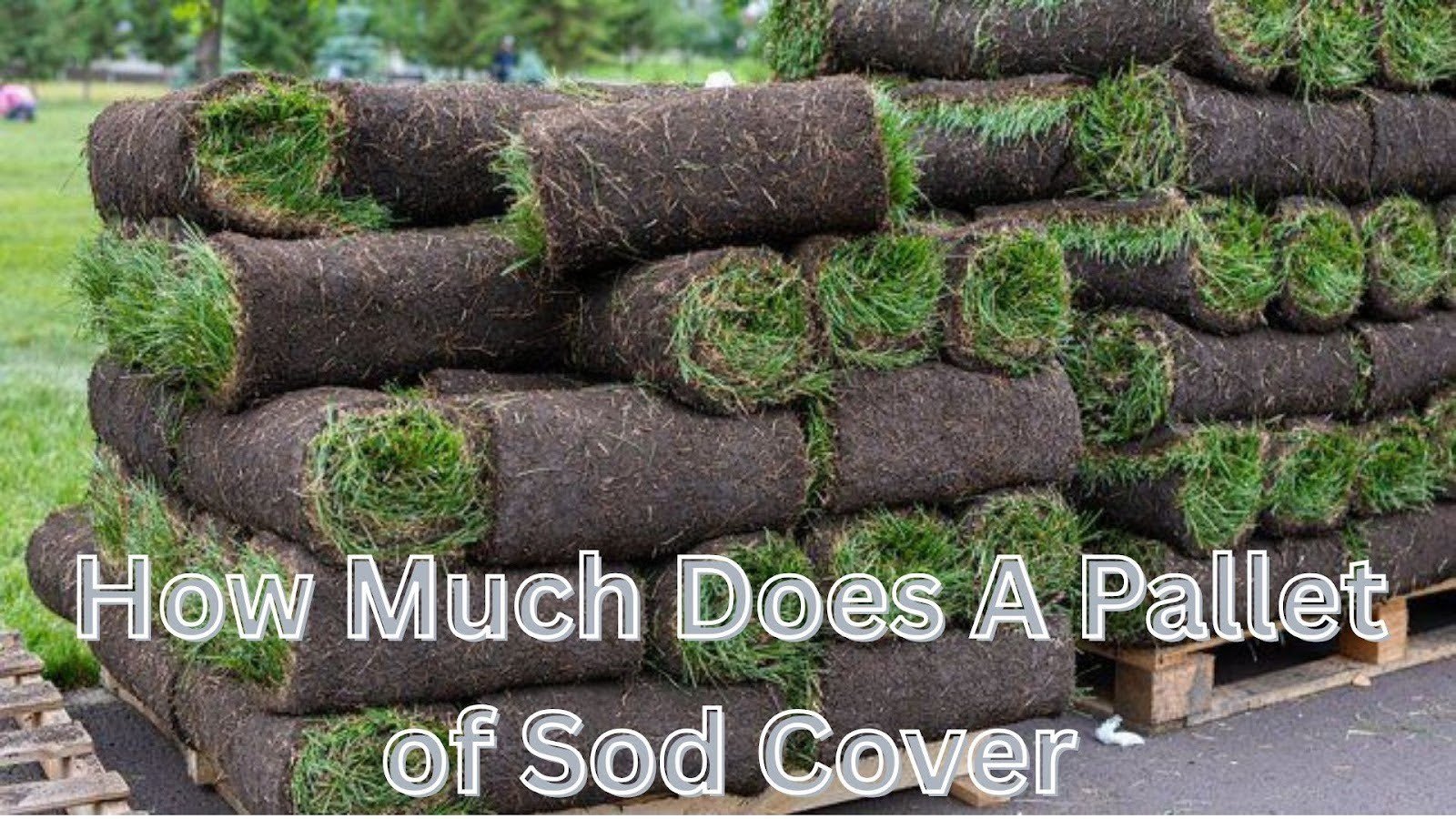
You are in your yard looking at the bare patches of the ground and the grass dying, and you are wondering how you can quickly change it into a lawn full of green grass. Here is the truth: sod gives you results instantly, but if you order the wrong amount,
One of the most common problems that homeowners have is a very important question: how much area can one pallet of sod cover? The answer is not as straightforward as you might think.
This article will help you explain everything that you need to know about how much area a sod pallet can cover. It also helps you understand the reason why one pallet in Texas covers a different area than one in Minneapolis after figuring out the exact measurements of your lawn.
How Much Does a Pallet of Sod Cover?
Here’s what you need to know upfront: a standard pallet of sod typically covers 400 to 500 square feet. However, this isn’t a universal measurement. The exact coverage depends on your location, the grass variety you choose, and how your supplier packages their sod.
Think of it this way: you’re not buying a standardized product like flooring tiles. Sod is a living, harvested crop, and suppliers in different regions package it based on local grass types and industry standards.
Before you order, always confirm the exact coverage with your specific supplier. Don’t assume all pallets are equal. Call ahead, ask about their pallet dimensions, and verify the square footage.
Why Sod Pallet Coverage Varies?
When I first started laying sod, I quickly noticed that not all pallets cover the same area. Even though they look uniform, variations in moisture, thickness, and cutting during packaging can make a difference.
I also realized that the type of grass matters. Some varieties are denser or heavier, so a pallet might seem smaller once it’s rolled out. When I plan my project, I always measure my yard carefully and consider the specific grass type to avoid surprises.
Finally, how the sod is handled during delivery plays a role, too. If it sits too long in the sun or shifts during transport, the edges can dry or crumble slightly, reducing the overall coverage.
Regional Differences and Grass Types
Your location directly impacts how much a pallet of sod covers because different climates require different grass species. In the Southern United States, warm-season grasses like Bermuda, Zoysia, and St. Augustine dominate landscapes.
Northern regions rely on cool-season grasses such as Kentucky Bluegrass, Tall Fescue, and Perennial Ryegrass. These pallets often cover more ground, ranging from 500 to 700 square feet.
Understanding your climate zone helps you anticipate what you’ll get. If you live in Florida, expect smaller coverage per pallet than someone ordering sod in Michigan. This regional variation affects both your budget and the number of pallets you’ll need to order for your project.
Sod Packaging Options (Slabs vs. Rolls)
The format your sod comes in dramatically changes the coverage equation. Slabs are flat, rectangular pieces, typically measuring 16 by 24 inches and covering approximately 2.66 square feet each. Suppliers stack these on pallets to reach 400 to 500 square feet total.
Mini hand rolls offer a middle ground. These smaller rolled pieces, often 40 by 18 inches, cover about 5 square feet each. Like slabs, they’re packaged to reach 400 to 500 square feet per pallet.
Large rolls represent the professional choice. These massive pieces measure 60 by 24 inches or even 103 by 42 inches. Coverage ranges from 360 to 700 square feet per pallet, but here’s the catch: you’ll need specialized equipment like a forklift or sod roller to unroll them.
Step-by-Step Guide to Measuring Your Lawn Area
Accurate measurement is the foundation of ordering the right amount of soil, and it’s easier than you think when you break your lawn into simple shapes.
Rectangular/Square Areas
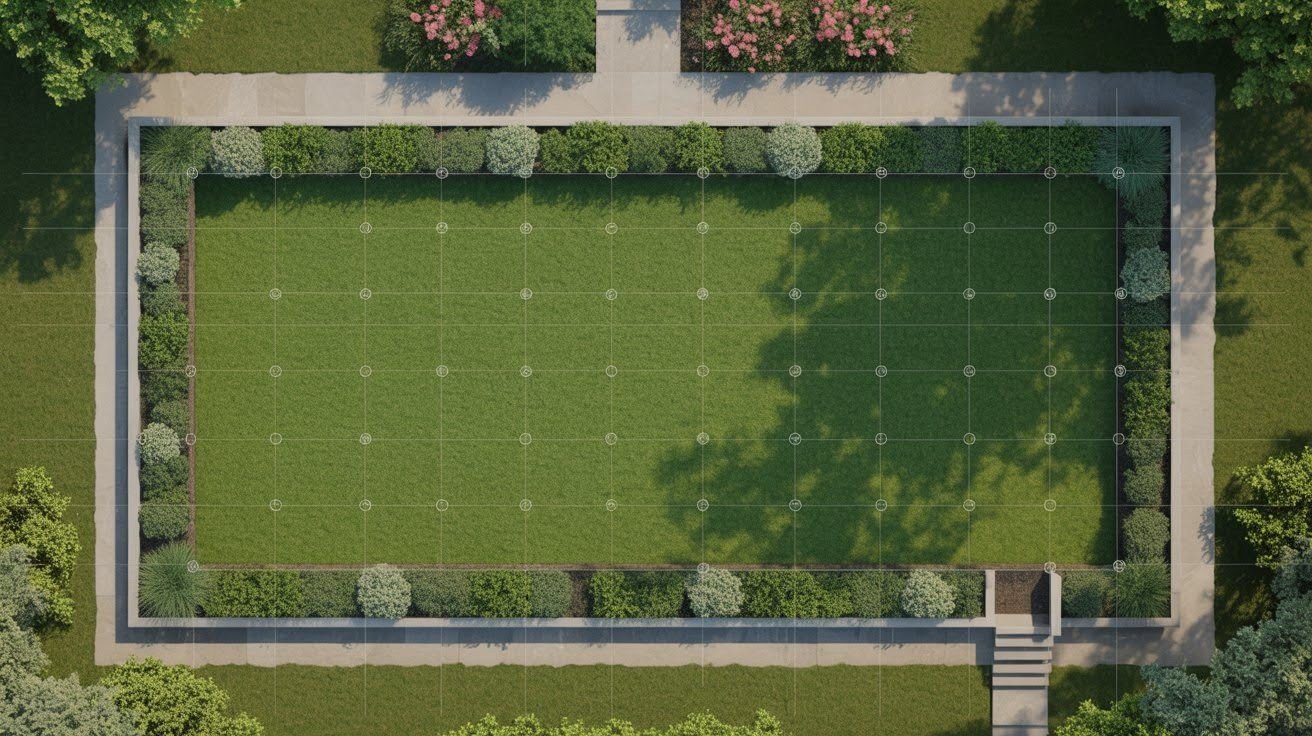
Start with the simplest calculation: multiply length by width to get square footage (Length × Width = Square Footage). Grab a measuring tape and walk your lawn’s longest side, then measure the perpendicular width.
Most yards have rectangular sections, even if the overall property isn’t perfectly square. Focus on measuring these straight-edged areas first. Write down each measurement as you go goo trying to remember numbers while walking around leads to errors and incorrect orders.
This basic formula works for 80% of residential lawns. If your yard is mostly rectangular with a few curved edges or obstacles, measure the main rectangle first, then handle those irregular sections separately.
Circular Areas

Circular lawn areas require a different approach: use the radius measurement in the formula π × radius² = Square Footage. First, find the center point of your circular area and measure straight out to the edge; that’s your radius. Let’s say your radius is 10 feet: multiply 3.14 by 100 (10 squared), giving you 314 square feet.
You’ll encounter circular sections around trees, flower beds, or decorative landscape features. Don’t skip measuring these areas just because they’re smaller. Every square foot counts when you’re trying to determine how much a pallet of sod covers and how many pallets you need.
For partial circles or curved edges, estimate conservatively. It’s better to slightly overestimate circular areas than to run short. The small amount of extra sod can fill gaps or replace pieces that don’t lay perfectly during installation.
Irregular Areas

Complex lawn shapes intimidate many homeowners, but there’s a simple solution: divide the lawn into smaller, measurable squares and rectangles, then add up all the individual areas. Treat your yard like a puzzle where each piece gets measured separately.
Walk your property and identify natural breaking points where irregular sections connect to more regular shapes. For instance, if you have an L-shaped yard, measure it as two rectangles. A curved garden border? Approximate it with several small rectangles that roughly follow the curve.
Sum all your individual measurements to get the total square footage. Then apply the formula: Total Square Feet ÷ Pallet Coverage = Pallets Needed. If your total is 1,850 square feet and pallets cover 450 square feet, you’d need just over 4 pallets, which means ordering 5 to account for the partial pallet requirement.
The 5 to 10% Waste Buffer (Crucial Tip)
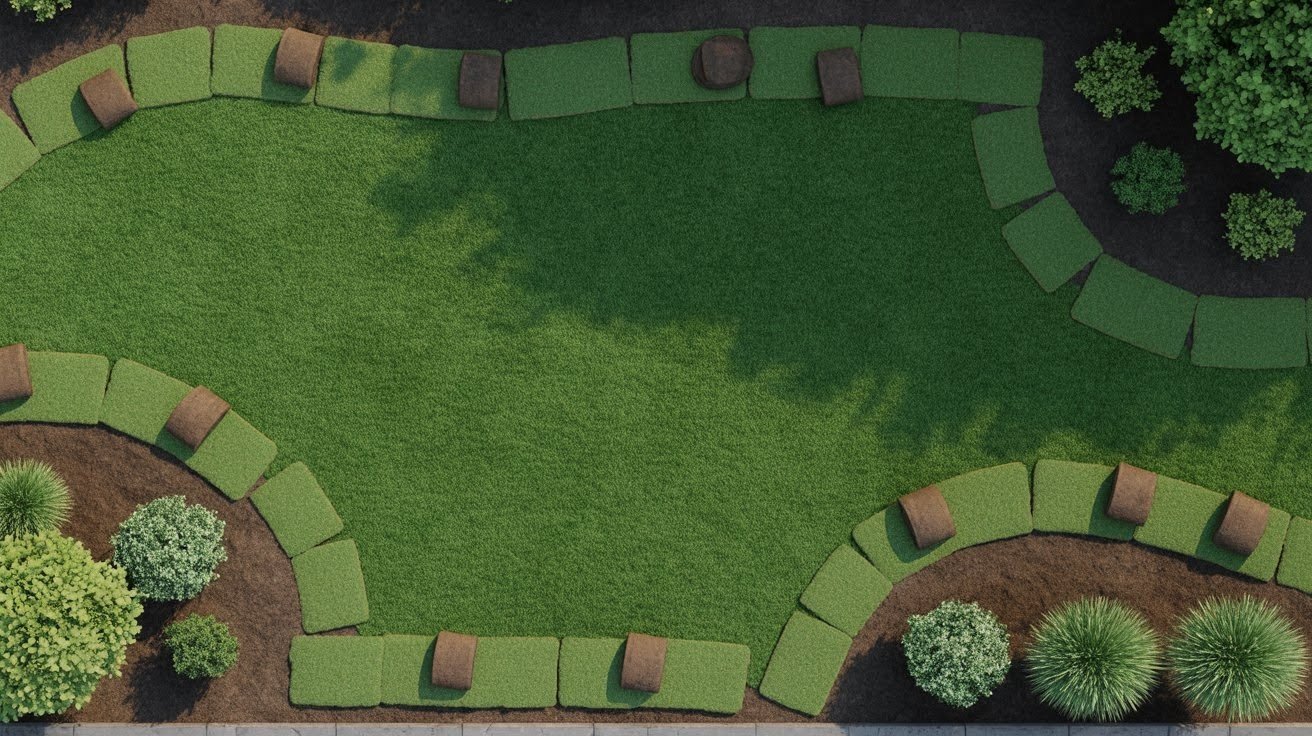
Here’s where most DIYers make their biggest mistake: they calculate exact coverage and order precisely that amount. Always add 5 to 10 percent extra to your order. This buffer accounts for trimming around edges, cutting mistakes, irregular shapes, and pieces that get damaged during installation.
Think about what actually happens when you lay sod. You’ll need to cut pieces to fit around walkways, trees, garden beds, and property lines. Each cut creates waste. A rectangular piece that needs to curve around a sprinkler head leaves scraps.
The percentage you add depends on your lawn’s complexity. A simple rectangular yard with few obstacles? Five percent covers you. Multiple curves, gardens, and features? Go with 10 percent. For a 2,000-square-foot lawn, that’s an extra 100 to 200 square feet, roughly half a pallet more.
Tools and Apps That Make Measuring Easier
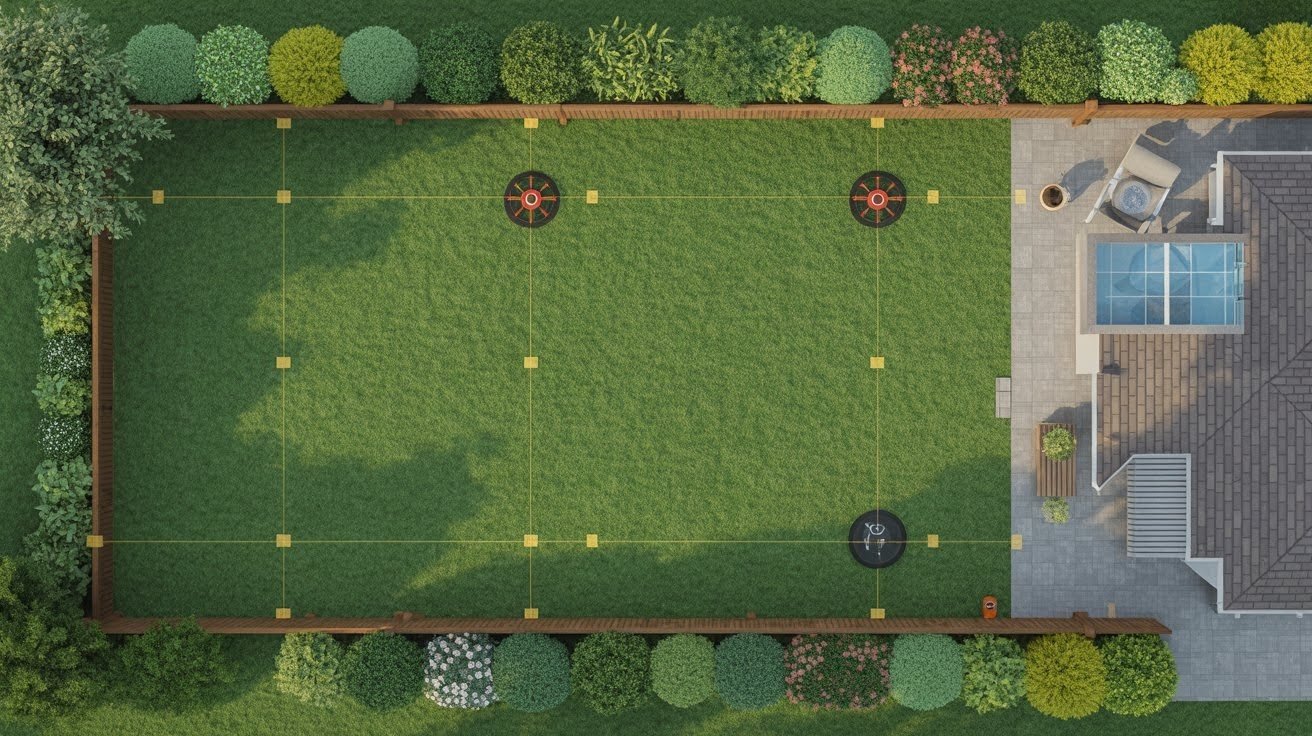
Modern technology simplifies lawn measurement significantly. Smartphone apps like Google Earth and specialized lawn measurement tools let you trace your property boundaries digitally and calculate square footage automatically.
Digital measuring wheels offer another practical solution. Roll the wheel along your lawn’s perimeter, and it tracks the distance automatically. These tools eliminate the frustration of keeping a long tape measure straight and reduce measurement errors..
However, technology shouldn’t replace common-sense verification. After using an app or digital tool, walk your property with basic measurements to confirm the numbers make sense. A quick reality check prevents ordering based on a digital error.
Cost and Transportation: Moving Your Sod Pallet
Understanding both the financial investment and logistics of handling sod helps you plan your project completely and avoid surprises.
How Much Does a Pallet of Sod Cost? (Pricing Factors)
Expect to pay between $130 and $360 per pallet for sod, with the price varying considerably based on grass type and your location. Premium grasses like Zoysia or certain St. Augustine varieties command higher prices than common Bermuda or Fescue.
Seasonality affects pricing significantly. Spring and fall represent peak sod-buying seasons when demand drives prices up. If you’re flexible with timing, late summer or early winter (in mild climates) might offer better deals.
Delivery fees can add $50 to $150 to your total cost, especially if you’re outside the supplier’s standard service area. Some suppliers waive delivery fees for orders above a certain size, so if you’re close to that threshold, consider ordering the extra coverage you’ll need for your waste buffer.
Pallet Weight and Vehicle Requirements
A single pallet of sod typically weighs between 1,500 and 3,000 pounds dry, and that weight increases by approximately 50% when the sod is freshly watered or wet from rain. This isn’t a load you can toss in your SUV’s cargo area. A standard 450-square-foot pallet often weighs 2,800 to 3,000 pounds, more than many pickup trucks can safely carry.
Check your vehicle’s payload capacity before offering to haul sod yourself. Most half-ton pickup trucks handle 1,500 to 2,000 pounds safely, which might accommodate one pallet of lighter sod but not heavier varieties or wet pallets.
For multiple pallets or heavier loads, a trailer makes more sense than overloading your truck. Verify your vehicle’s towing capacity and the trailer’s weight rating. Remember, you’re not just moving the soil; once you’ll need to transport it, unload it, and potentially move pallets around your property.
Successful Sod Installation Timeline
Proper installation determines whether your new sod thrives or dies; rushing through these steps wastes your entire investment.
How Long Does it Take to Lay a Pallet of Sod?
Two people working together can typically lay a 400 to 500 square foot pallet in two to three hours if the ground is properly prepared. Working alone doubles that time, and if you’re new to sod installation, add another hour for the learning curve.
Your timeline extends significantly if you’re doing ground preparation the same day. Removing old grass, tilling soil, adding amendments, and leveling the surface can take four to six hours for a 500-square-foot area.
Sod begins deteriorating within 24 hours of harvest, especially in warm weather. This time pressure is real; you can’t let pallets sit around while you figure out installation. Schedule delivery for a day when you have at least four to six hours available to complete the work.
The Critical First Steps (Soil Preparation)
Successful sod installation starts underground with proper soil preparation. Begin by testing your soil’s pH and nutrient levels using a kit from your local garden center or cooperative extension service. Most grasses prefer slightly acidic to neutral pH (6.0 to 7.0).
Adding and tilling a two-inch layer of compost into your existing soil creates the ideal environment for new roots. Compost improves soil structure, increases water retention, adds beneficial microorganisms, and provides slow-release nutrients.
Level the prepared soil so it sits about one inch below sidewalks, driveways, and existing lawn edges. This height accounts for the sod thickness and ensures a smooth transition. Rake thoroughly to remove debris, rocks, and clumps. Roll or lightly compact the soil so it’s firm but not hard-packed.
Laying and Post-Installation Care
Lay your sod pieces in a staggered, brick-like pattern to prevent visible seams and weak points. Start along the longest straight edge of your property, typically a driveway or walkway, ay so you have a reference line. Push pieces tightly together without overlapping or leaving gaps.
Immediately after placing every few rows, roll the sod with a lawn roller filled one-third with water. This pressing ensures direct root-to-soil contact, eliminating air pockets that cause roots to dry out. Many installation failures trace back to skipping this rolling step.
Post-installation watering makes or breaks your new lawn. Water thoroughly within 30 minutes of installation, soaking the sod and the top inch of soil beneath it. For the first 7 to 10 days, water daily (or twice daily in hot weather) to keep the sod consistently moist but not waterlogged.
Common Installation Mistakes to Avoid
I’ve learned that small missteps during sod installation, like working in the heat or cutting pieces too small, can make a big difference in how quickly your lawn takes root and thrives:
- Avoid hot afternoons: I learned the hard way that laying sod under blazing sun really stresses the grass. Early mornings or late afternoons are much better because the cooler temps and higher humidity give sod a stronger start.
- Mind the size of your pieces: Cutting sod too small can leave weak spots that brown quickly. I always stick to pieces at least 12 inches long, trimming only where necessary along edges. Tiny scraps work best for filling hidden gaps.
- Don’t walk on it too soon: Stepping on fresh sod can crush roots and make the soil uneven. I use plywood boards to cross the lawn if needed until the roots have grown, usually in about two weeks.
- Check root establishment: A simple tug test helps me know when the sod is ready for normal use. Once the roots hold, foot traffic won’t cause damage, and the lawn feels solid.
- Plan for proper watering: I make sure to water consistently, especially during the first week, to keep the sod hydrated. This prevents heat stress and helps the grass settle into the soil faster.
Conclusion
Knowing that a pallet of sod generally covers 400 to 500 square feet is just the starting point. Coverage varies by grass type, region, and packaging, so always check with your supplier.
Measure your lawn carefully, breaking it into rectangles, circles, or irregular sections to get an accurate total square footage.
You can also add 5 to 10 percent extra to account for trimming, curves, and mistakes. Prepare your soil properly before laying sod, including leveling, tilling, and adding compost if needed. Lay the sod pieces tightly and roll them to ensure good root contact.
Water consistently for the first week or two to help roots establish. With careful planning, measurement, and care, your new lawn will fill in quickly and stay healthy. Proper preparation ensures your investment pays off.
Frequently Asked Questions
What is the standard size of a sod pallet?
A standard sod pallet covers 400 to 500 square feet in most regions, though coverage varies by grass type and location. Northern cool-season grasses may reach 600-700 square feet per pallet, while southern warm-season varieties typically stay in the 400-500 range.
How many pallets of sod do I need for 1000 square feet?
For 1,000 square feet, you’ll need 2 to 3 pallets, depending on individual pallet coverage. If pallets cover 450 square feet, you’d need 2.2 pallets, round up to 3. Add 5-10% extra for waste and trimming, potentially requiring a third full pallet for proper coverage.
Can I install sod myself, or should I hire professionals?
Most homeowners can successfully install sod themselves for areas under 2,000 square feet. The process is physically demanding but straightforward with proper preparation. For larger areas.
How soon can I walk on newly installed sod?
Limit foot traffic for the first two weeks after installation while roots establish. Light walking on boards is acceptable if necessary, but regular activity compresses soil and disrupts root growth. After two weeks.
What happens if I don’t install sod immediately after delivery?
Sod deteriorates rapidly after harvest, typically within 24 hours, especially in warm weather. Heat builds up in stacked pallets, causing yellowing and root damage. If installation delays are unavoidable, unstack pieces in shade, keep them moist with frequent misting.