
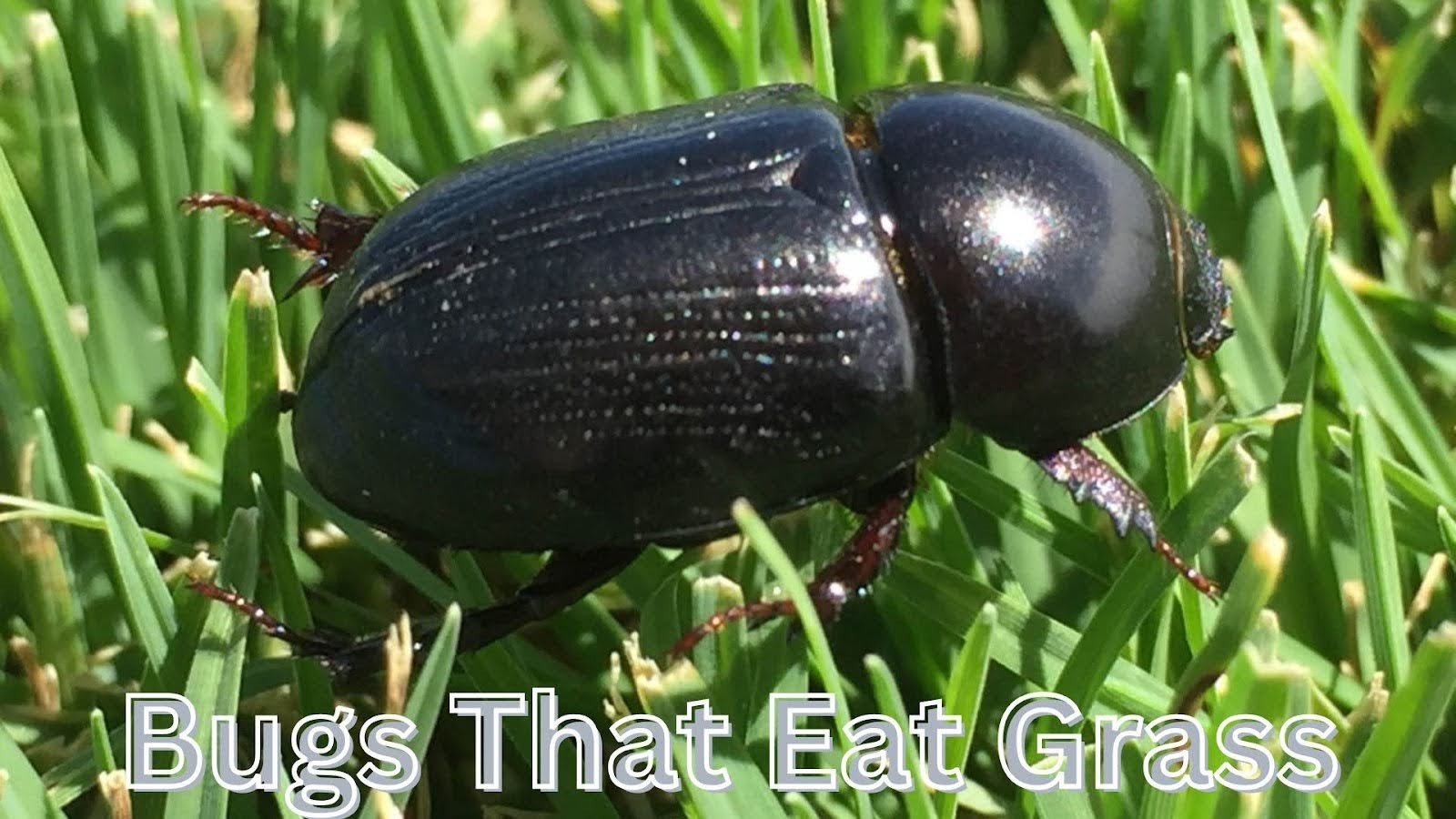
You are still giving water to your lawn, mowing, and fertilizing it as necessary, but brown patches keep appearing and spreading without your notice on your lawn. Who is the culprit? Small creatures that are coming into your lawn and eating it right from under your feet. These are bugs that eat grass.
Homeowners do not recognize that they have a pest issue until very conspicuous damage is visible. Those nasty insects had already formed colonies and started reproducing. You will find the best problem-solving concern in this article.
This article will help you to know the most common bugs that eat grass better, get familiar with the warning signs, and know the ways of protecting your lawn. You will learn what each pest looks like, when they are most active, and how to find the damage.
Top Grass-Eating Bugs You Need to Know
Understanding which pests are attacking your lawn is the first step toward effective treatment. Each species requires different control methods and timing.
Grubs (Beetle Larvae)
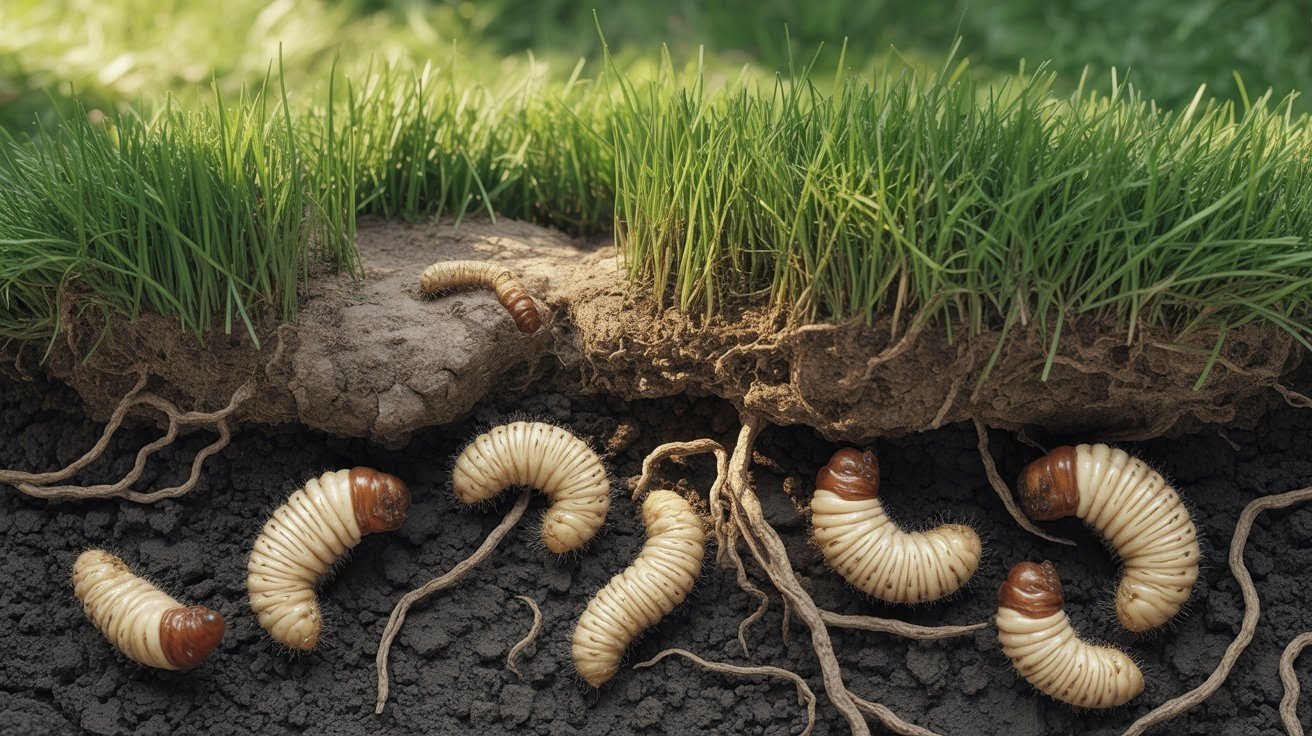
Grubs are C-shaped white larvae with brown heads that live beneath your soil surface. You’ll find several types in your lawn, including Japanese beetle grubs, European Chafer larvae, and June bug grubs.
These bugs that eat grass work invisibly below ground, chewing through grass roots and severing the connection between your turf and its nutrient supply. They feed most actively in mid-summer through fall, though they remain in your soil year-round.
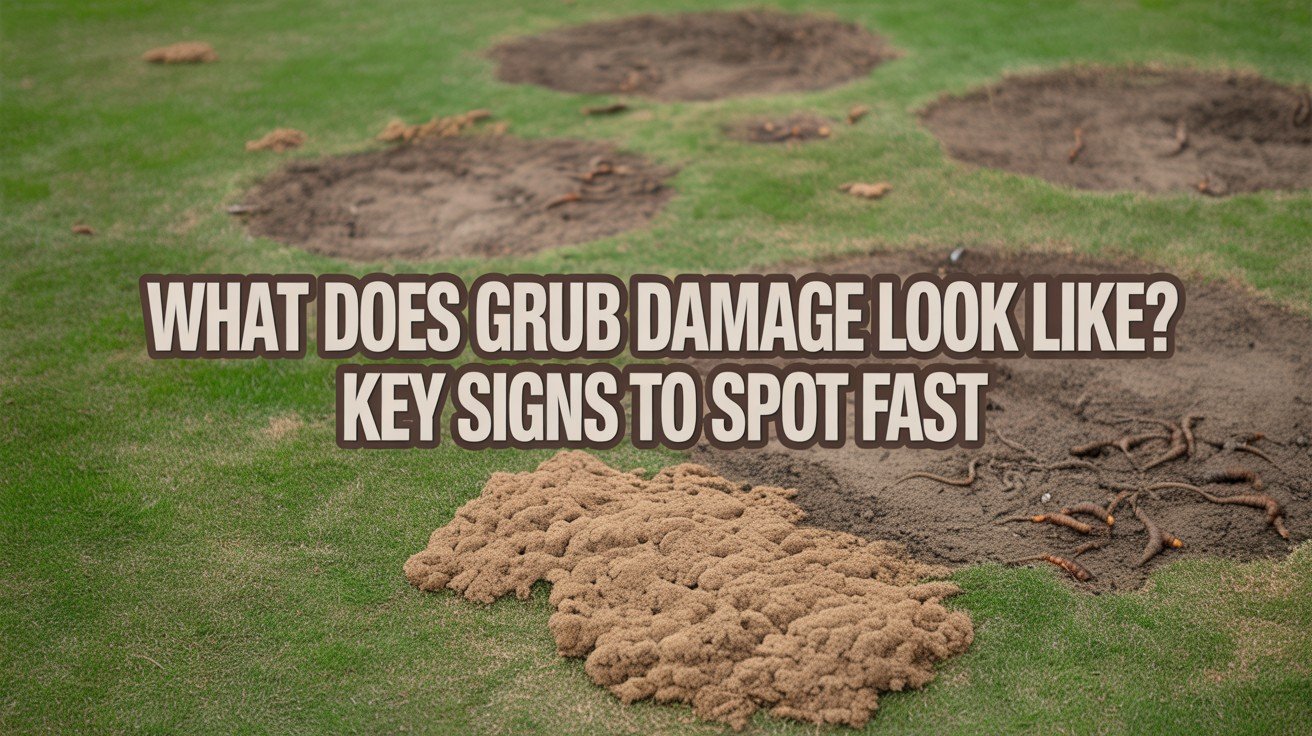
The telltale signs include brown patches that appear in late summer, a spongy feel when you walk across affected areas, and turf that lifts away easily like loose carpet. You might also notice increased activity from birds, skunks, or raccoons digging up your lawn to feast on these protein-rich larvae.
Chinch Bugs
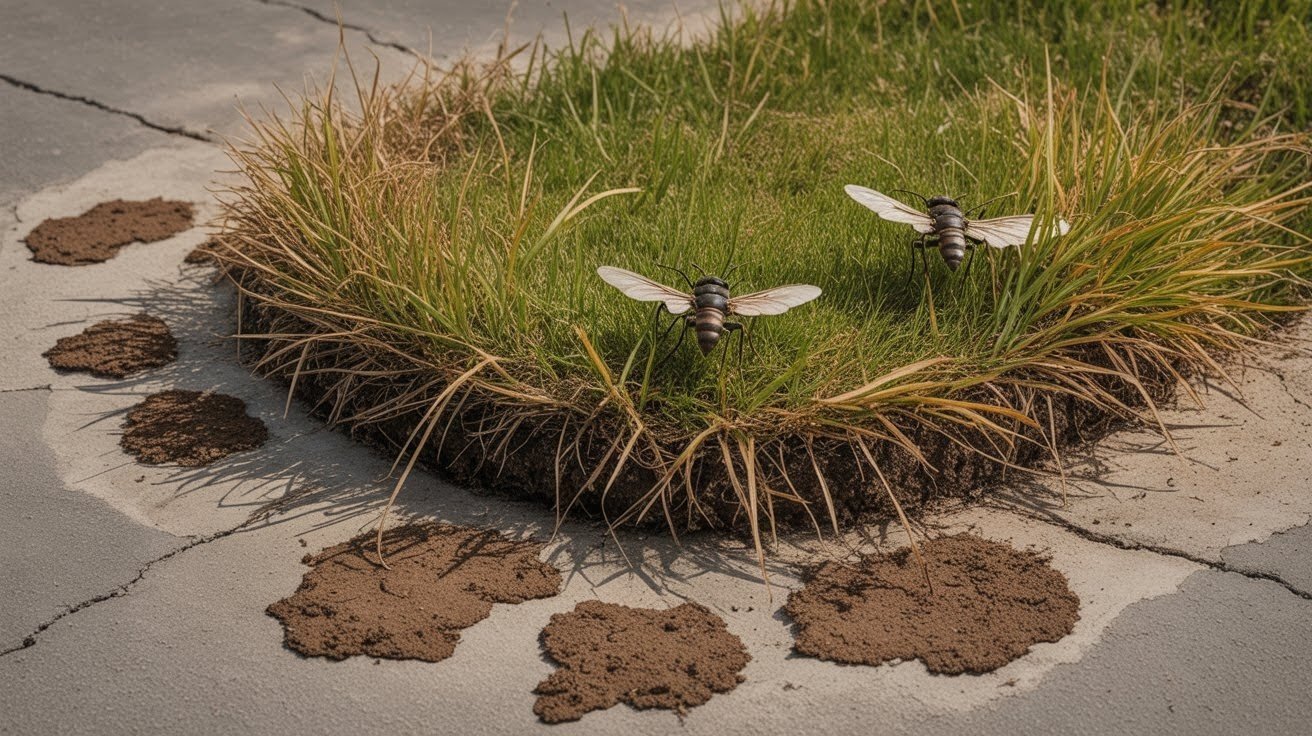
Adult chinch bugs are tiny, just 1/5 inch long, with black bodies and distinctive white patches on their wings. The younger nymphs appear bright red with a white stripe across their backs. These insects are small enough that many homeowners mistake the damage.
Chinch bugs are sap-suckers that pierce grass blades and inject toxins while feeding, essentially poisoning your lawn from the inside. They thrive in hot, dry conditions and prefer sunny areas of your lawn.
You’ll recognize chinch bug damage as irregular brown patches that expand outward, typically starting along driveways, sidewalks, or south-facing areas where heat reflects off hard surfaces. Unlike drought damage.
Sod Webworms (Lawn Moths)
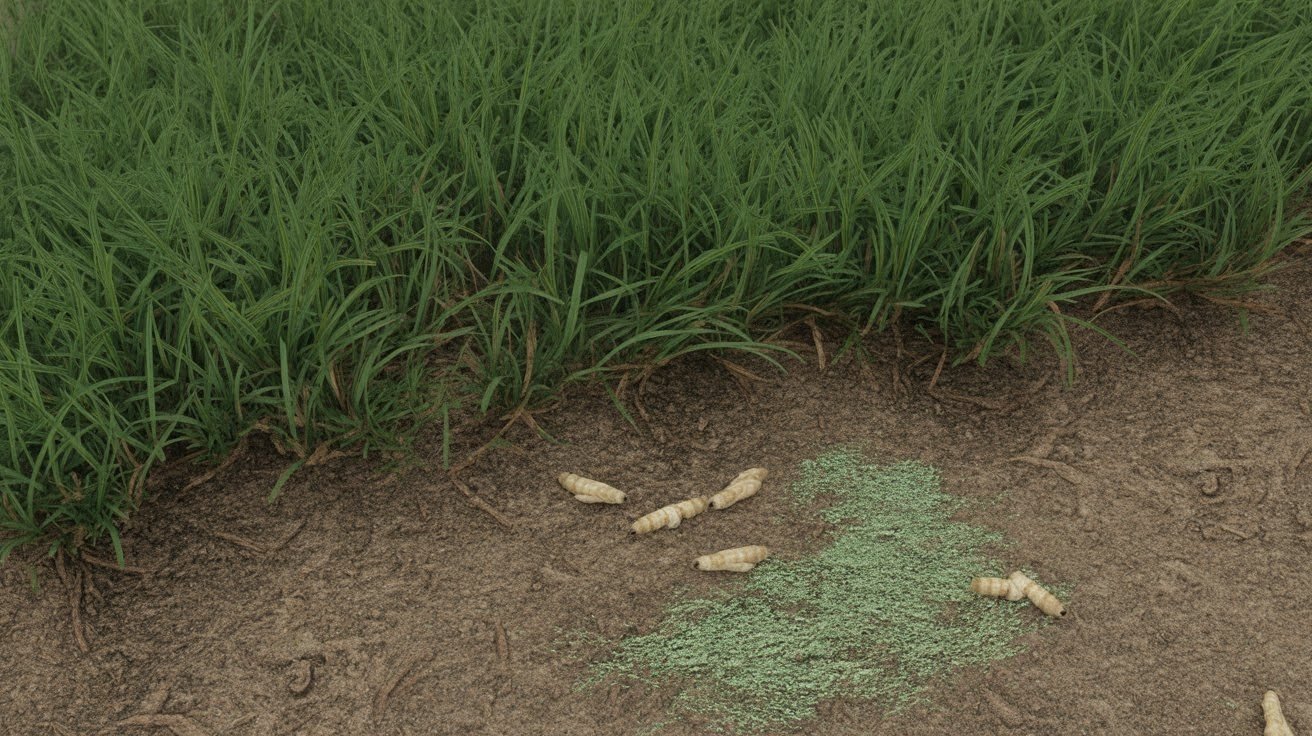
Sod webworms are the larvae of small buff-colored moths you might see flying in a zigzag pattern above your lawn at dusk. The caterpillars themselves are tan or gray with dark spots, growing up to 3/4 inch long.
These bugs that eat grass emerge at night to feed on grass blades and stems, chewing them off at the base. You’ll notice small green fecal pellets that look like sawdust scattered across damaged areas.
Damage appears as small brown spots that eventually merge into larger irregular patches. Peak destruction occurs in July and August when populations reach their highest levels. Look for birds pecking at your lawn in the early morning. They’re hunting for these caterpillars.
Armyworms
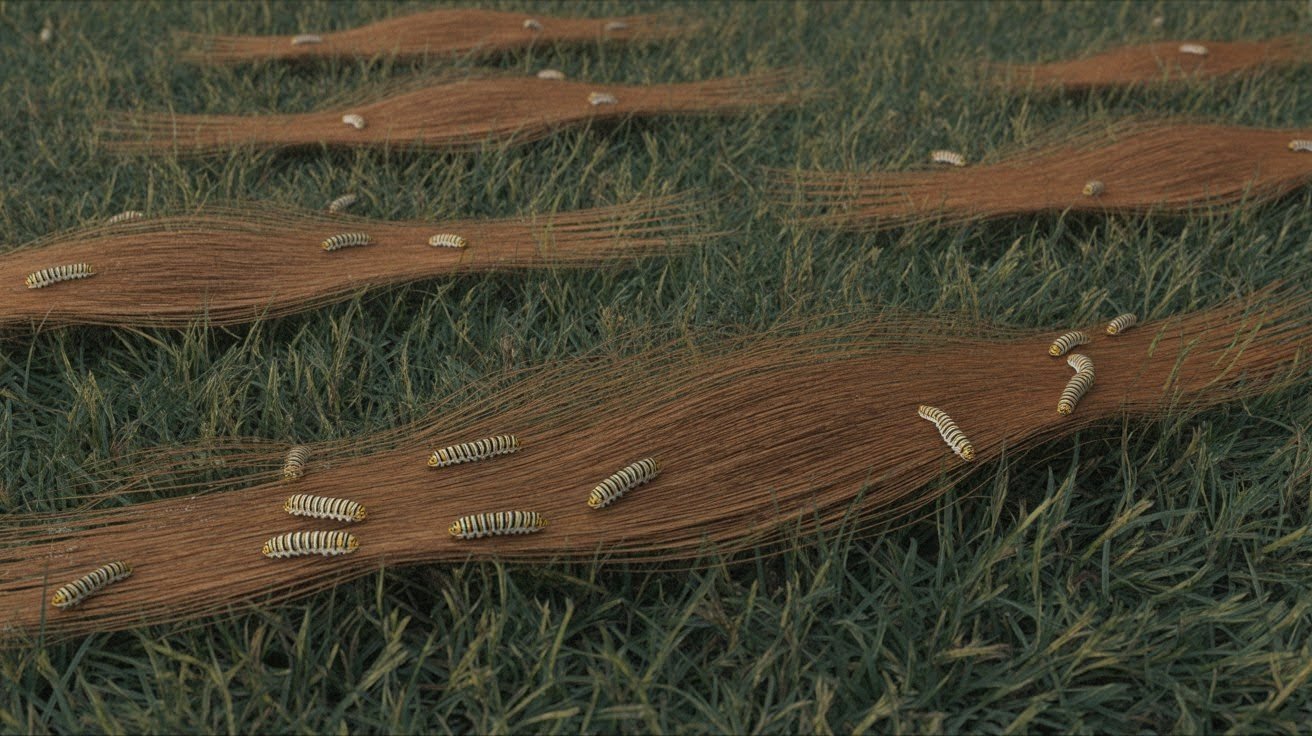
Armyworms are striped caterpillars that grow up to two inches long, much larger than sod webworms. They have distinctive light-colored stripes running along each side and an inverted Y-shape on their head. The name “armyworm” comes from their tendency to travel in large groups, marching across lawns like an invading force.
What makes these bugs that eat grass particularly dangerous is their numbers and speed. A single infestation can contain thousands of caterpillars that consume grass blades at an alarming rate. They can destroy an entire lawn in just 24 to 48 hours when populations are high.
Watch for unusual bird activity and grass that rapidly turns brown despite adequate moisture.
Armyworms often arrive after storm systems carrying moths on wind currents. Check your lawn at dawn or dusk when these pests are most active, e they tend to hide in thatch or soil during bright daylight.
Cutworms
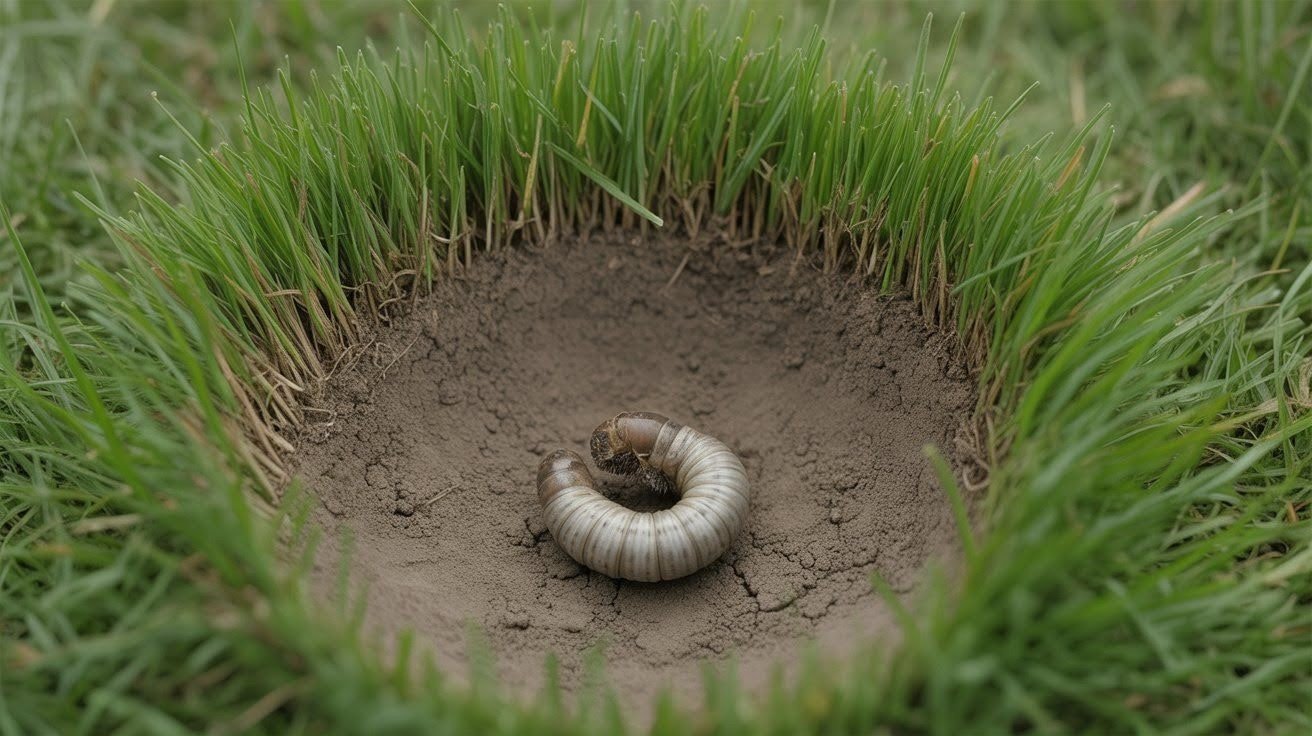
Cutworms are plump caterpillars ranging from gray to brown or even black, with the ability to blend seamlessly into soil. They curl into a tight C-shape when disturbed. Most species grow between one and two inches long and have a smooth, almost greasy appearance.
True to their name, these bugs that eat grass cut seedlings and grass stems at ground level during nighttime feeding sessions. They’re particularly destructive in early spring when new grass growth is most vulnerable.
Look for circular bare spots where grass appears cleanly cut rather than torn or withered. You might find the culprits hiding just beneath the soil surface or under debris during daytime hours. Cutworm damage often appears after lawn renovation or overseeding when tender new shoots provide easy meals.
Billbugs (Weevil Larvae)
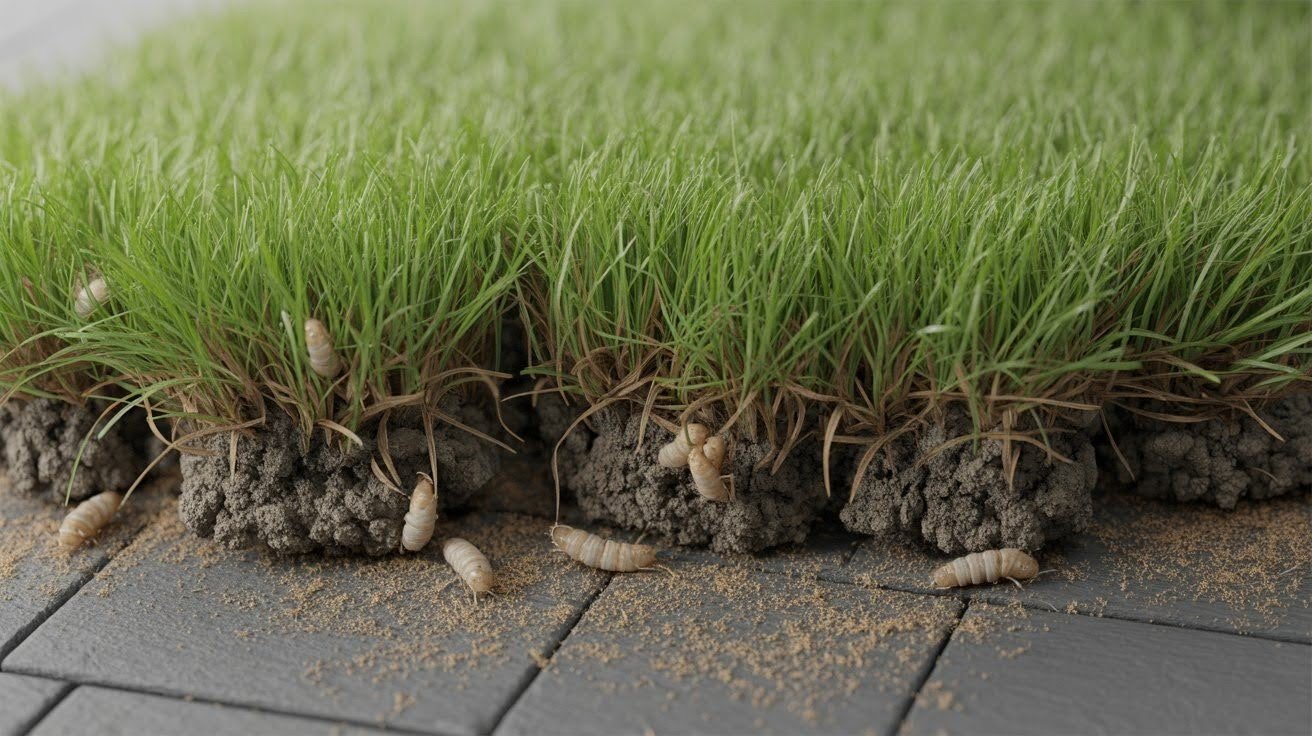
Billbugs are small snout beetles, and their larvae are among the sneakiest lawn pests you’ll meet. They start feeding inside grass stems, where you can’t see the damage right away. Once they mature.
If you notice scattered dead patches that look like drought damage, tug gently at the grass. Billbug-damaged turf breaks off easily and feels dry and crumbly. You might even see tiny sawdust-like frass, which is a clear sign they’ve been at work.
Keep an eye out for adult billbugs crawling across sidewalks or driveways in early summer. That’s often your early warning that larvae will soon start feeding below the surface. Regular mowing and keeping your lawn healthy help limit their impact, but early detection is key.
Mole Crickets
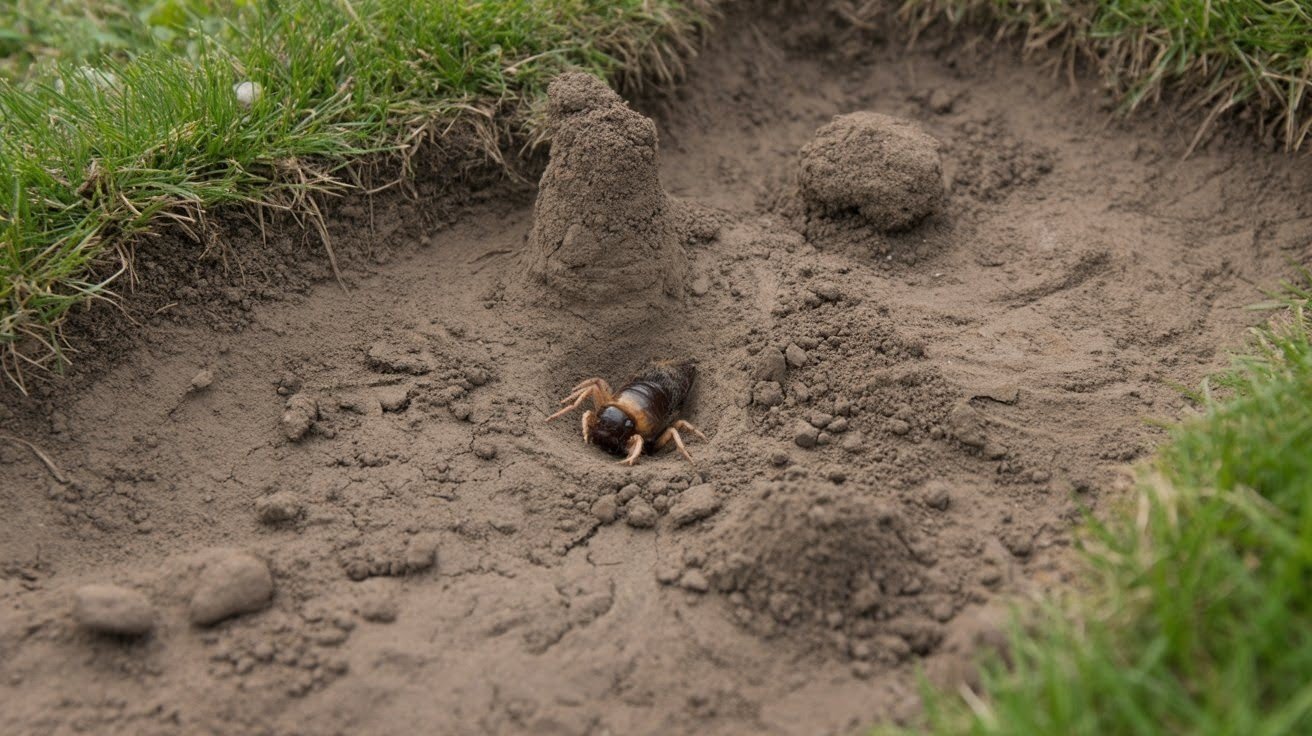
Mole crickets might look odd, but the damage they cause is unmistakable. These burrowing insects dig tunnels just beneath the surface, uprooting grass and disrupting roots as they move. The result is loose, bumpy soil and patches of dying turf that feel soft underfoot.
You’ll often spot signs of their presence at night or after rainfall. Small mounds of soil and tiny raised ridges show where they’ve tunneled through. Birds pecking repeatedly in the same area can also signal mole cricket activity.
If your lawn feels spongy and starts drying out unevenly, it’s worth checking for these underground pests. Applying beneficial nematodes or contacting a lawn specialist early can help you regain control before they multiply.
How to Identify Grass-Eating Bug Damage
Catching pest problems early can mean the difference between minor repairs and complete lawn replacement. Knowing what to look for gives you a crucial advantage.
- Look at your lawn in different lights: Walk around during morning and late afternoon, and check for brown patches, chewed blades, or spots that look wilted for no clear reason.
- Study how the damage spreads: Notice the pattern: slow-spreading irregular patches usually mean grubs, while damage starting near driveways or sidewalks could point to chinch bugs.
- Match timing to the pest: Think about when the damage shows up. Spring often brings cutworms, mid-summer means grubs or chinch bugs.
- Test before you treat: Use the soap drench test. Mix two tablespoons of dish soap with two gallons of water, and pour it over a square yard where healthy and damaged grass meet.
- Pay attention to hidden clues: Watch for birds or skunks digging, check the thatch layer for larvae or eggs, and note when you see adult moths or beetles.
Lawn Recovery After Pest Damage
Once you’ve eliminated the pest problem, your lawn needs proper care to bounce back healthy and full. Rushing the recovery process often leads to disappointing results.
Assessing the Damage
Pull up on damaged grass to test if roots are still attached. If the turf lifts away easily with no resistance, the root system is destroyed, and that area needs reseeding. Areas where grass pulls up but roots remain intact may recover with proper care and patience.
Examine the crown of grass plants at the soil line. Green or white tissue indicates the plant is still alive and capable of regenerating. Brown, dry crowns mean those plants are dead and won’t recover regardless of watering or fertilization.
Calculate the percentage of your lawn affected to determine your approach. Damage covering less than 30% of your lawn typically responds well to overseeding and recovery efforts. More extensive destruction might require complete renovation or professional help.
Recovery Steps
Begin recovery with core aeration to relieve compaction and improve oxygen flow to stressed roots. This process also creates ideal spots for new seeds to make contact with the soil. Aerate when the soil is slightly moist but not soggy for the best results.
Overseed damaged areas with grass varieties matching your existing lawn. Apply starter fertilizer to provide nutrients for both recovering grass and new seedlings. Choose a fertilizer with higher phosphorus content to encourage root development rather than excessive amounts.
Water lightly but frequently during the first two weeks, keeping the top inch of soil consistently moist without creating puddles or runoff. Gradually reduce watering frequency as new grass establishes.
Regional Considerations
Your location determines which bugs that eat grass pose the biggest threat to your lawn. Understanding regional patterns helps you stay one step ahead of pest problems.
Climate Impact on Pest Populations
Temperature and moisture levels directly influence pest development and activity. Warm, humid climates support multiple pest generations per year, while cooler regions might see only one generation.
Different regions deal with different primary pests. Japanese beetle grubs dominate the Northeast and Midwest. Chinch bugs are the main threat in the Southeast and South-Central states. Western lawns more commonly battle billbugs and crane fly larvae.
Local weather patterns create pest outbreaks. Mild winters allow more pests to survive until spring. Wet springs followed by hot, dry summers create perfect conditions for chinch bugs. Track local extension service alerts about pest activity in your area.
Grass Type Vulnerabilities
Kentucky bluegrass is highly susceptible to grub damage because of its shallow root system. This popular northern grass variety also attracts adult beetles that lay eggs in well-maintained lawns. However, its spreading growth habit helps it recover faster than bunch-type grasses.
Perennial ryegrass tolerates some pest feeding better than other species due to its dense root system and quick growth rate. It’s less attractive to some pests but can still suffer significant damage from armyworms and sod webworms during peak infestation periods.
Consider planting endophyte-enhanced grass varieties that contain beneficial fungi, making them naturally resistant to many bugs that eat grass. These varieties work particularly well for reducing chinch bug and billbug damage.
Conclusion
The five major and most bugs and insects that eat grass grubs, chinch bugs, sod webworms, armyworms, and cutworms each leave distinctive damage patterns that help you identify them. By knowing and identifying these kinds of signs, you can react to the situation promptly before the minor problems can turn into lawn-wide disasters.
Lawn care in itself is the most powerful medicine against pest attacks in your grass. Proper mowing, correct watering, and balanced fertilizing are the ways to provide grass with conditions that are not suitable for pests.
If you see the first signs and all moments of unusual damage or pest presence, don’t wait to act. Treatment with a targeted, early intervention is the most cost-effective way to protect your lawn and prevent outbreaks.
Frequently Asked Questions
What are the most common bugs that eat grass in residential lawns?
The five most common grass-eating pests are grubs (beetle larvae), chinch bugs, sod webworms, armyworms, and cutworms. Each species causes distinct damage patterns and requires specific treatment approaches based on its feeding habits and life cycles.
How can I tell if bugs are eating my grass or if it’s a disease?
Bugs that eat grass leave physical evidence like larvae in soil, chewed blade tips, or insects visible during soap drench tests. Disease typically shows circular patterns with distinct color rings and fruiting bodies. Pest damage often attracts birds and digging animals.
When is the best time to treat for grass-eating insects?
Treatment timing depends on the pest species. Treat grubs in late summer when they’re small and vulnerable. Control chinch bugs during hot, dry periods when populations peak. Address armyworms and cutworms immediately upon detection due to their rapid destruction potential.
Can healthy grass survive bug infestations without treatment?
Healthy lawns tolerate low pest populations, but moderate to severe infestations require treatment. Proper watering, mowing, and fertilization help grass recover from minor damage. However, waiting too long to treat active infestations often results in permanent damage requiring reseeding.
How do I prevent bugs from eating my grass next season?
Maintain grass at proper mowing height, water deeply but infrequently, and avoid over-fertilizing with nitrogen. Good thatch management reduces pest habitat. Consider beneficial nematodes or milky spore for long-term grub control. Monitor regularly for early pest detection.