
Have you ever gone past a yard that had perfectly striped grass and thought about how they achieved that? The neat lines and professional-looking patterns are not only for baseball fields anymore. They can be made in your own yard.
Lawn mowing patterns are those awesome stripes, circles, and designs that you notice on the grass. They come about when you bend the grass blades in different directions. The light that falls on the bent grass highlights the dark and light areas, which together form the pattern.
The article will help you. Coming up with fancy lawn mowing patterns is much simpler than you probably assume. With the good equipment and a little bit of practice, your lawn can look like it is being done by a professional.
Why Lawn Mowing Patterns Matter?
Lawn mowing patterns matter because they shape how your yard looks and feels every time you step outside. When you mow in clean, consistent lines, your lawn instantly looks more organized and professional, almost like a golf course or park. For someone who takes pride in their outdoor space.
Changing up your mowing pattern also keeps your grass healthier. When you mow the same way each time, the grass blades begin to lean in one direction, and the soil can get compacted under your mower’s tires.
It’s also a small but satisfying creative touch, a way to express your personality through your landscape. Whether you like classic stripes, bold diagonals, or checkerboard patterns, your mowing style reflects your attention to detail and care for your home’s appearance.
How to Prepare Your Lawn for Fancy Mowing Patterns?
Getting your lawn ready is the key to creating patterns that really stand out and last.
Tools and Equipment Needed
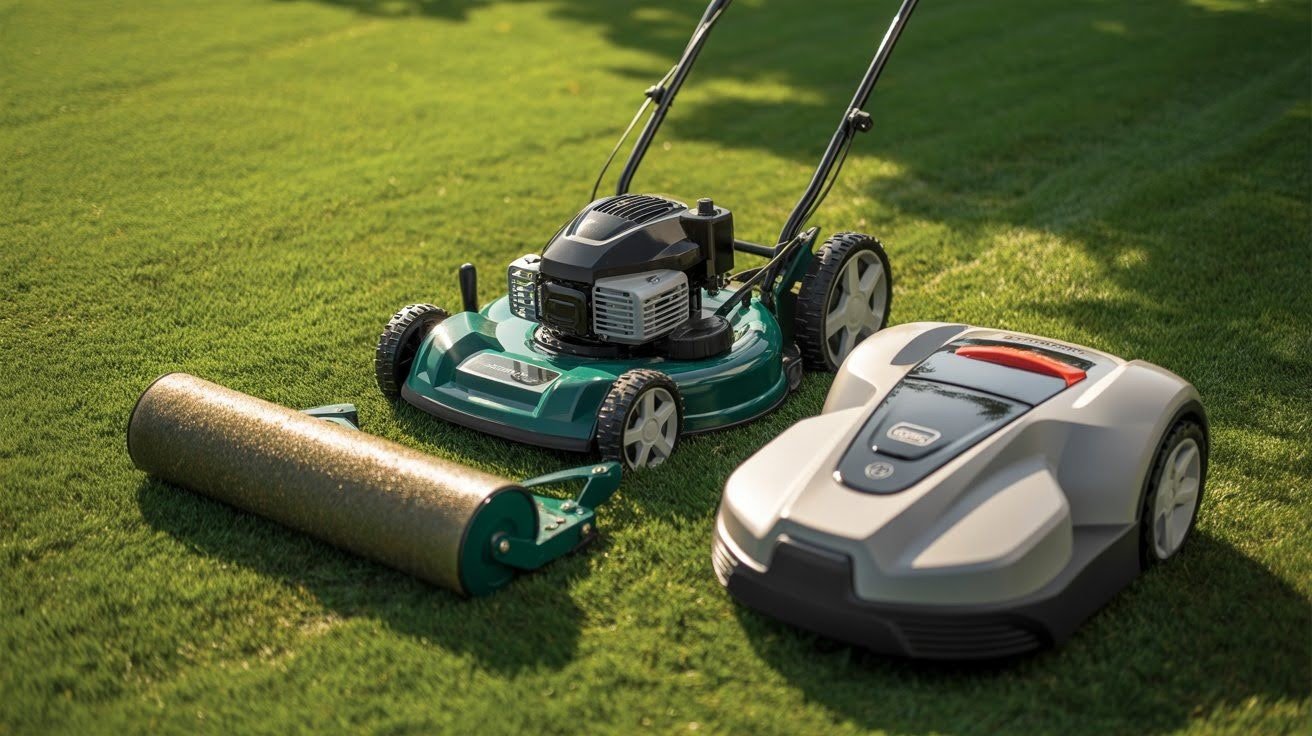
Your mower is the most important tool you’ll need. Make sure it has adjustable height settings so you can keep the grass at the perfect length. Sharp blades are a must because dull blades tear grass instead of cutting it cleanly.
A striping kit or roller attachment helps press the grass down as you mow. These attach to the back of your mower and create more defined patterns. You don’t absolutely need one, but they make a big difference in how your patterns look.
Some people like using apps to plan their patterns before they start. Others use robotic mowers that can follow programmed paths. These are optional tools, but they can make fancy lawn mowing patterns and techniques even easier to master.
Choose the Right Grass Type
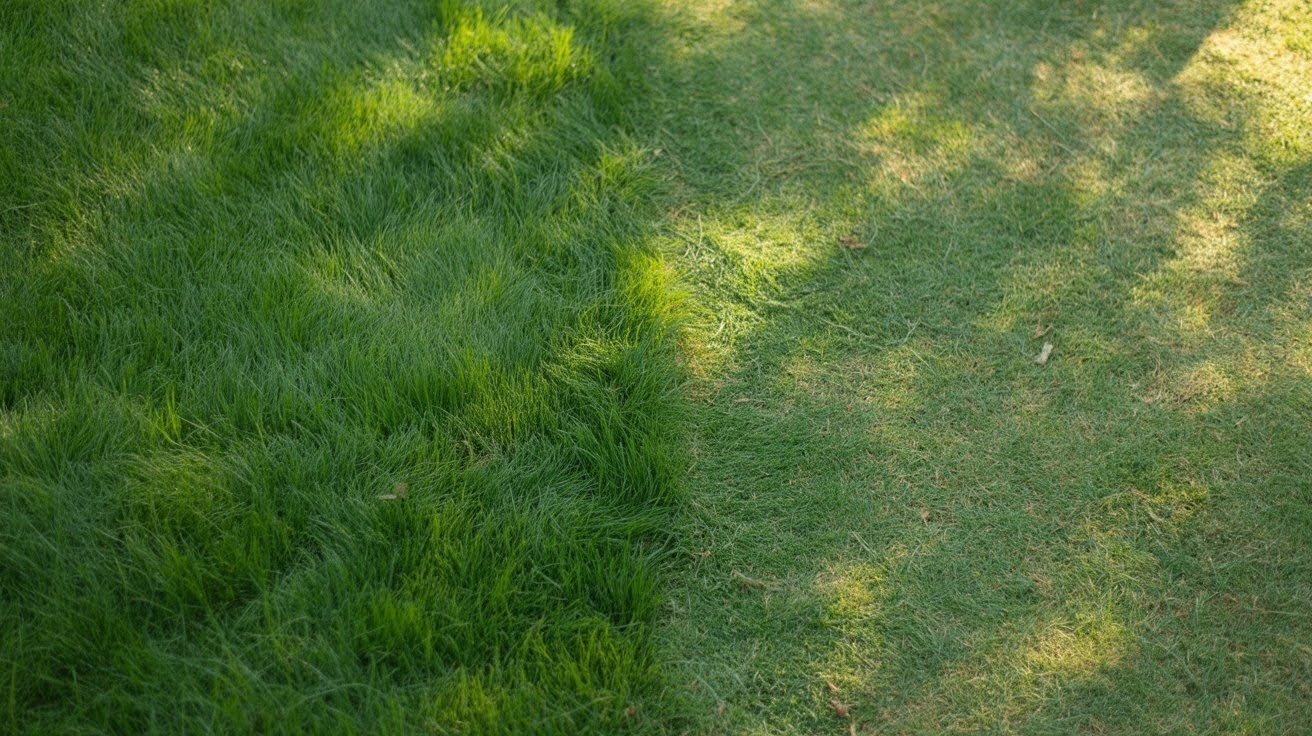
Cool-season grasses work best for creating clear patterns. Kentucky bluegrass and ryegrass are top choices because their blades bend easily and stay bent. These grasses are common in northern climates and handle pattern mowing really well.
Warm-season grasses like Bermuda can show patterns, too, but they’re stiffer. You’ll need a heavier roller or striping kit to get good results. The patterns might not be as sharp, but you can still create nice designs with patience.
If you’re not sure what type of grass you have, ask a local garden center. They can identify your grass and give you tips specific to your lawn type. Knowing your grass helps you set realistic expectations for your patterns.
Ideal Grass Height for Patterning
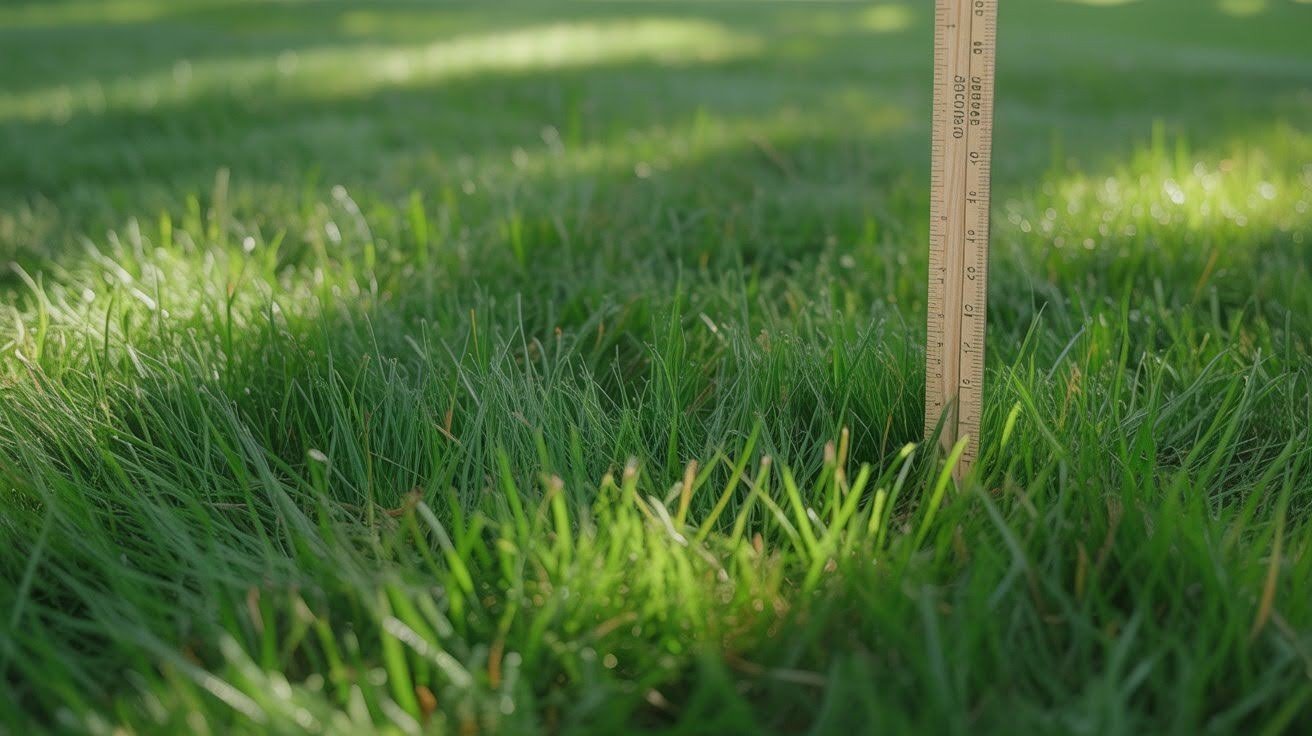
Keep your grass between 3 and 3.5 inches tall for the best patterns. This height gives the grass enough length to bend nicely. It’s also the healthiest height for most grass types, so you’re doing double duty.
Cutting more than one-third of the grass height at once stresses your lawn. If your grass gets too long, mow it twice over a few days. This gradual approach keeps your grass healthy while getting it to the right height for patterns.
Measure your grass height before you mow. Put a ruler on your lawn to check. Once you know what 3 inches looks like on your mower setting, you can adjust and maintain the perfect height every time.
Lawn Health Prerequisites
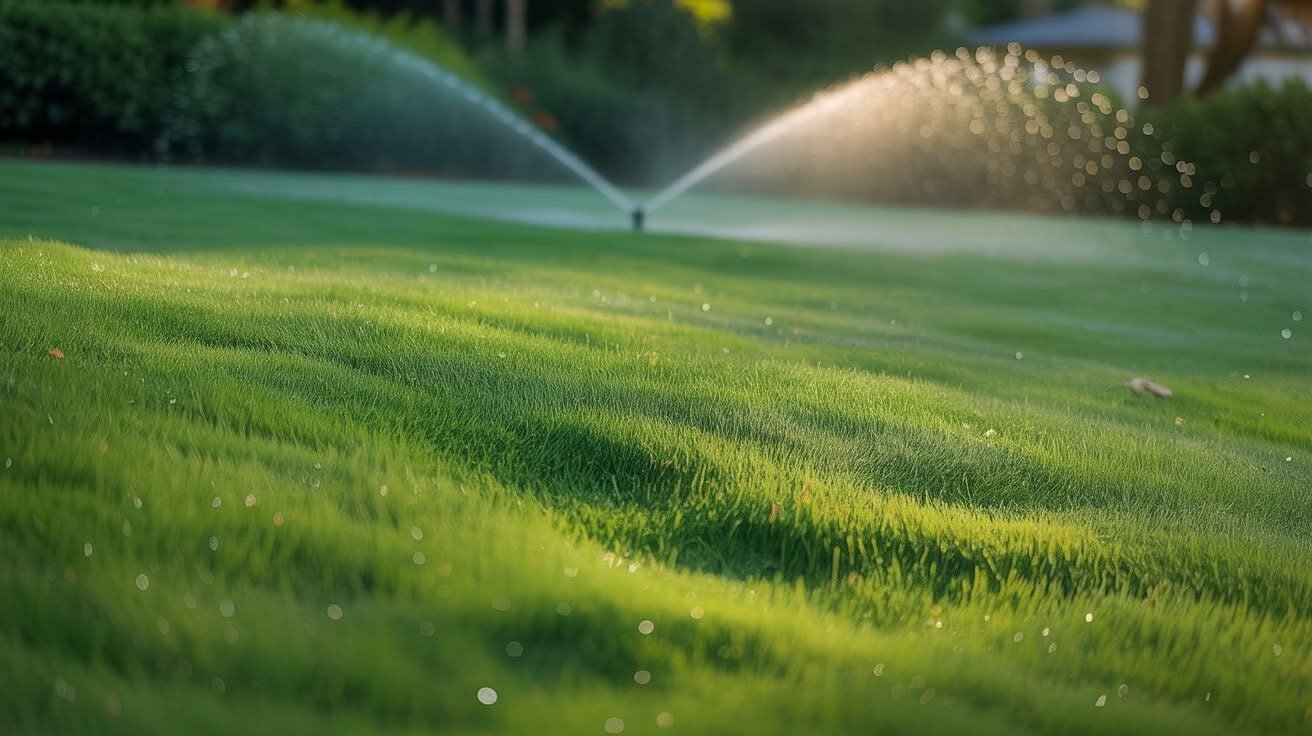
Start with a healthy lawn for the best pattern results. Pull weeds regularly because they disrupt your designs. A weed-free lawn gives you a smooth, even surface that shows off patterns beautifully.
Water your grass deeply but less often. This encourages deep root growth and stronger grass. Aim for about one inch of water per week, including rainfall. Healthy, well-watered grass bends better and recovers faster.
Feed your lawn with fertilizer at the right times for your grass type. Strong, well-fed grass is more flexible and shows patterns better. Plus, healthy grass is thicker, which makes your designs more visible from a distance.
Mowing Frequency and Timing
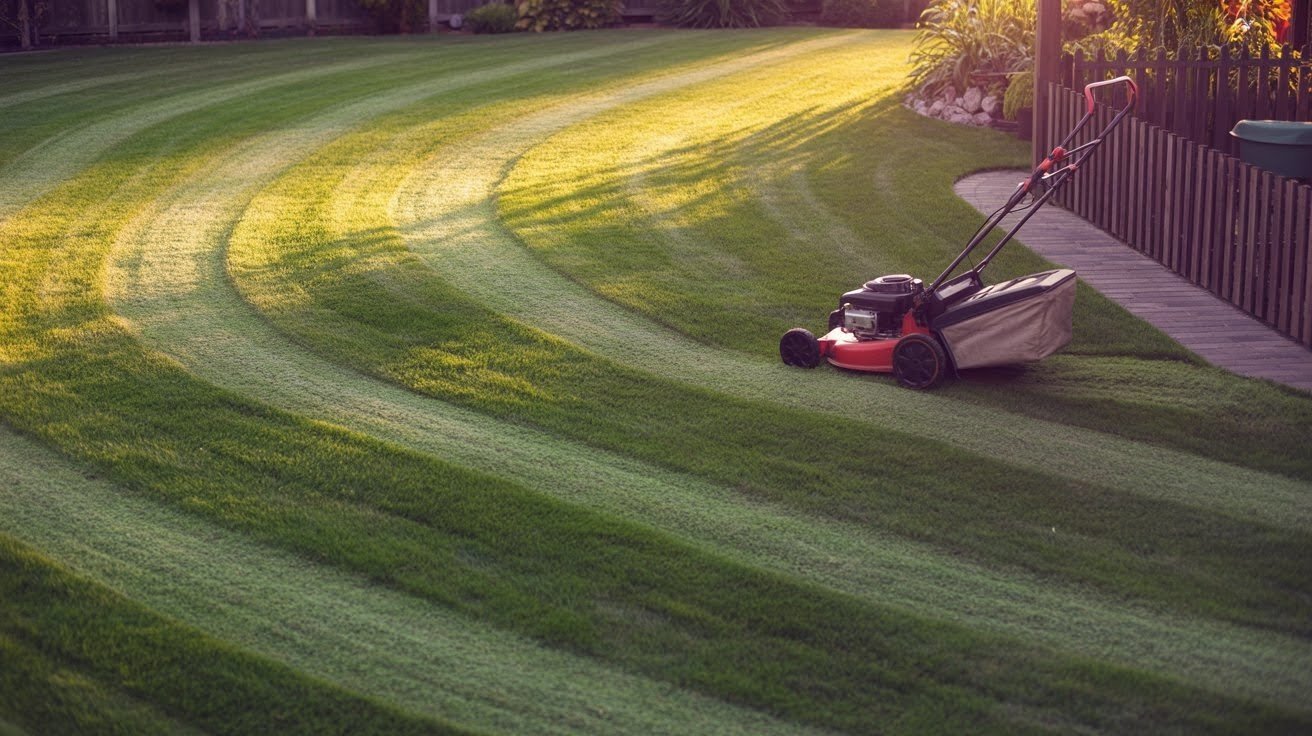
Mow your lawn regularly to keep the patterns looking fresh. During the growing season, plan to mow once a week. Some fast-growing grass might need mowing twice a week to maintain the right height.
The best time to mow is late morning or early evening. The grass is dry, but the sun isn’t at its hottest. This timing is easier on you and your mower. It also gives the grass time to recover before the next hot day.
Never skip more than a week between mowing sessions. Long grass becomes harder to pattern and might need multiple cuts to get back to the right height. Consistent mowing schedules keep your lawn looking its best year-round.
Edge and Border Maintenance
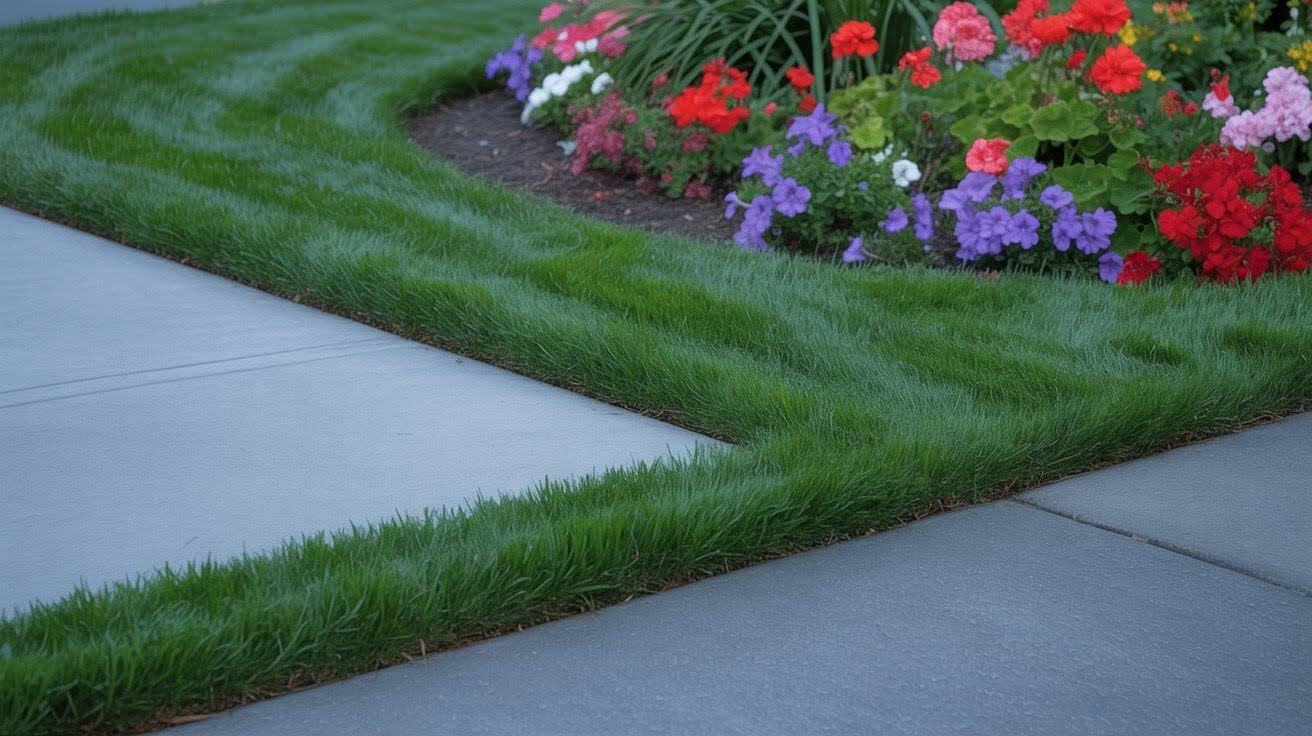
Clean edges make your patterns look even better. Trim around sidewalks, driveways, and flower beds after you finish mowing. Sharp borders frame your patterns and make them stand out more.
Use an edger or string trimmer to define these areas. Take your time on the borders because they’re the first thing people notice. A neat edge shows you paid attention to details.
Keep these border areas at the same height as the rest of your lawn. This creates a smooth flow across your whole yard. Your fancy lawn mowing patterns and techniques will look more professional when everything is at the same level.
Understanding Your Lawn’s Layout
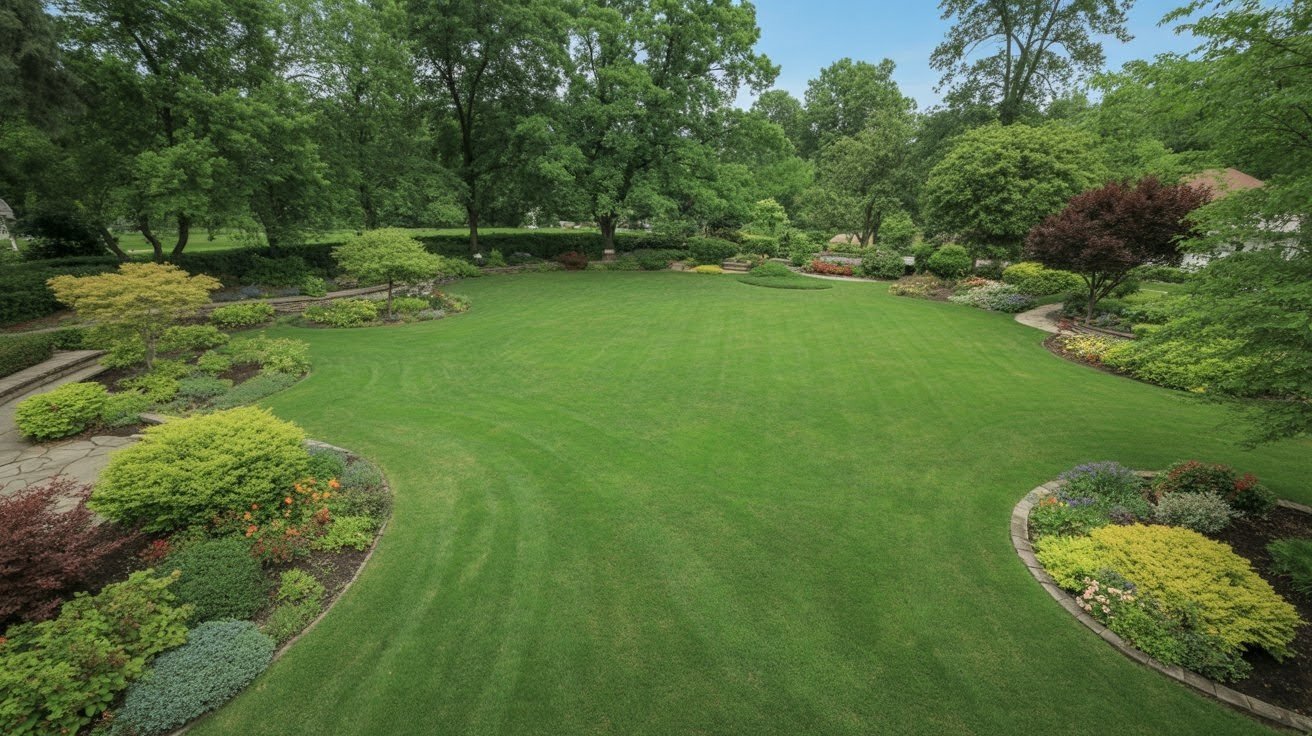
Walk your lawn before you start mowing. Look for obstacles like sprinkler heads, rocks, or low spots. Planning your route around these features saves time and protects your mower.
Notice which areas get the most foot traffic or sun exposure. You might need to adjust your patterns in these spots. Shaded areas often need different care than sunny spots, so keep this in mind.
Think about focal points like trees, gardens, or your house entrance. You can design patterns that draw attention to these features. A little planning before you mow makes a big difference in the final look.
Advanced Lawn Mowing Techniques and Patterns
Once you’ve mastered the basics, these fancy lawn mowing patterns techniques will take your yard to the next level.
Circular Patterns
Circular patterns work great around trees or in open lawn areas. Start at the outside edge of your lawn and work your way toward the center. Keep your circles as even as possible by using a focal point to guide you.
This pattern is easier to mow than it looks. Just keep a steady distance from your last pass. The grass will bend in a spiral direction, creating a cool spinning effect when you’re done.
Circular patterns are forgiving if you make small mistakes. The curved lines hide minor wobbles better than straight stripes do. This makes them perfect when you’re still building your skills with fancy lawn mowing patterns and techniques.
Concentric Circles (Spiral)
The spiral pattern starts from the center and works outward, or vice versa. Pick a central point, like a tree or garden ornament. Mow in circles that get gradually bigger as you move away from the center.
This design catches everyone’s eye and works well in large yards. The continuous spiral creates motion and interest. Your lawn becomes a conversation piece when guests visit your home.
The spiral is surprisingly quick to mow once you get going. You rarely need to stop or turn around sharply. Just follow your previous circle and keep a steady pace. The result is worth the effort every single time.
Diamond or Crisscross
The diamond pattern uses fancy lawn mowing patterns techniques that create a checkerboard effect. Mow your lawn in one direction first. Then mow the entire lawn again at a 45-degree angle to your first pass.
This creates alternating light and dark squares across your yard. The high contrast makes this pattern very striking. It’s popular for formal lawns and special occasions because it looks so impressive.
Take your time with this pattern. Use landmarks at opposite corners of your lawn to keep your lines straight. The extra effort pays off with a professional-looking lawn that stands out in your neighborhood.
Wave or Ripple Patterns
Waves add a playful, flowing look to your lawn. Instead of straight lines, create gentle S-curves as you mow. Start at one edge and weave back and forth across your yard.
This pattern works really well on sloped or irregular lawns. The curves follow the natural shape of your property. They also hide imperfections better than rigid straight lines do.
Practice your curves in less visible areas first. Once you get comfortable, you can make bolder waves. The movement this pattern creates makes your lawn look alive and interesting from every angle.
Mixed Pattern Designs
Combining different patterns lets you create unique designs. Try circles in the middle of your yard with straight stripes around the edges. Mix waves with straight sections for added interest.
These custom designs make your lawn truly one-of-a-kind. You can change your mixed patterns each week to keep things fresh. Let your creativity guide you as you develop your own signature style.
Start simple when mixing patterns. Use two basic designs before trying more complex combinations. As you get better with fancy lawn mowing patterns and techniques, you’ll find endless ways to make your lawn special.
Mistakes That Ruin Fancy Lawn Mowing Patterns
Learning what not to do helps you create better patterns faster and keeps your lawn healthy.
- Cutting grass too short damages the blades and makes patterns invisible: Scalped grass turns brown and takes weeks to recover. Always set your mower high enough to leave at least 3 inches of grass.
- Mowing wet grass leads to clumping, uneven cuts, and possible mower damage: Wet grass sticks to your mower deck and creates messy results. Wait for dry conditions, even if it means mowing later in the day.
- Using the same pattern every week compacts soil and creates permanent ruts in your lawn: Your grass starts growing at an angle and won’t stand up straight anymore. Rotate your patterns each time you mow to keep the grass healthy and upright.
- Ignoring blade maintenance makes ragged cuts that harm grass and ruin pattern visibility: Dull blades tear grass instead of cutting cleanly. Sharpen your mower blades at least twice per season.
- Rushing through the mowing process causes missed spots and crooked lines: Take your time and focus on keeping steady, even passes. Good patterns require attention to detail and a relaxed pace.
Conclusion
Creating fancy lawn mowing patterns adds care and creativity to your yard. With the right mowing height, sharp blades, and steady movement, you can shape clean lines and designs that stand out.
You can start with simple stripes or circles until you feel confident. Switch directions each week to keep the grass healthy and even. Regular mowing helps the lawn stay thick, green, and easy to manage.
Think of your lawn as a space that reflects your effort. Each time you mow, you’re giving it a new look and keeping it in great shape. With time and practice, your yard will always look fresh, neat, and ready to impress.
Frequently Asked Questions
What is the easiest lawn mowing pattern for beginners?
Straight parallel stripes are the simplest pattern to start with. Mow up and down your lawn in straight lines, alternating directions with each pass. This basic technique builds your skills before trying more complex, fancy lawn mowing patterns.
How often should I change my mowing pattern?
Change your mowing pattern every week or at least every other week. Rotating patterns prevents soil compaction and keeps grass growing upright. Varying your direction regularly maintains healthier grass and creates more interesting visual effects throughout the season.
Can I create patterns with any type of lawn mower?
Yes, but results vary by mower type. Push mowers and riding mowers both work fine. Adding a striping kit or roller enhances pattern visibility significantly. Sharp blades matter more than mower type when mastering fancy lawn mowing patterns and techniques.
What grass height shows patterns best?
Maintain grass height between 3 and 3.5 inches for optimal pattern visibility. This length allows grass to bend properly while staying healthy. Shorter grass won’t show patterns well, while longer grass becomes difficult to manage and creates uneven results.
Do lawn patterns damage grass or soil?
No, patterns actually benefit your lawn when done correctly. Changing patterns prevents soil compaction and encourages stronger root growth. Regular pattern rotation combined with proper mowing height keeps grass healthier than mowing the same way every time.