
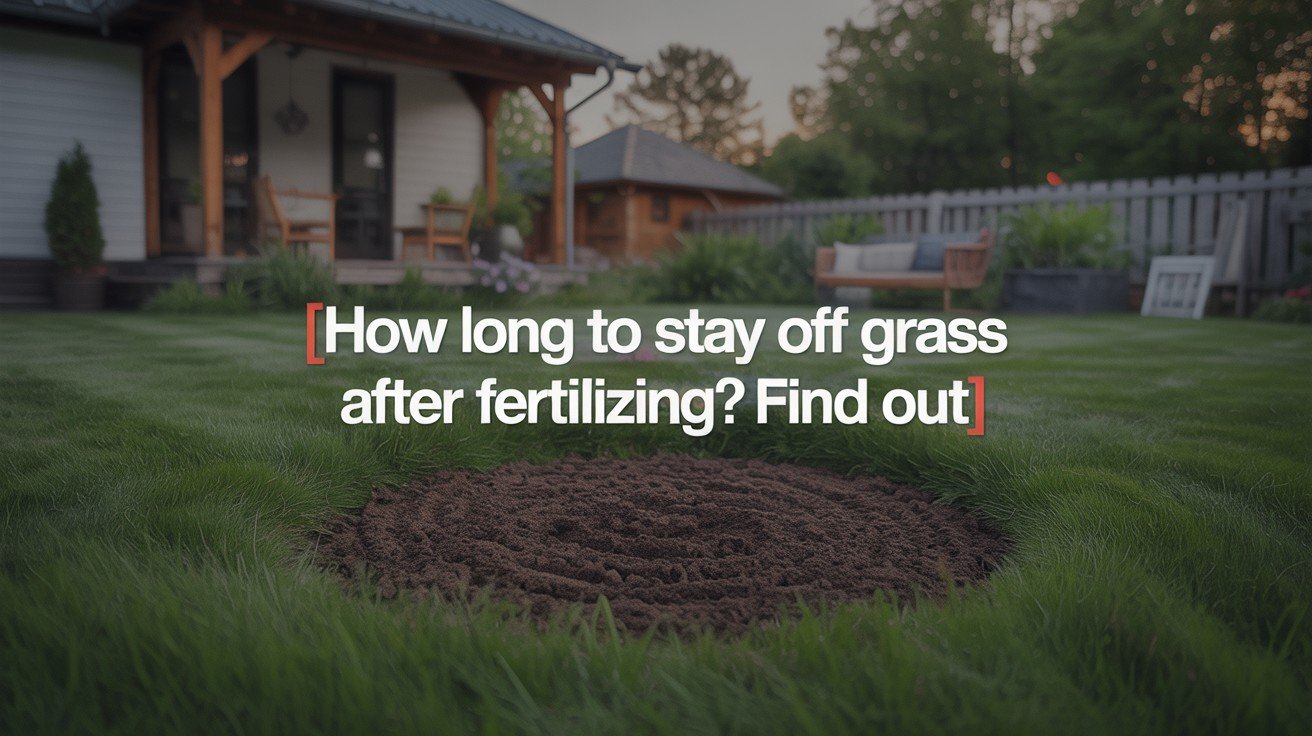
You just finished fertilizing your lawn, and now you want to know when it is safe to step on it again. The timing depends on the type of fertilizer you use and who will be on the grass. Some products can leave residue that may irritate skin, and pets face greater risks if they lick or chew grass too soon.
There is also a chance of tracking chemicals into your home on shoes or paws, which spreads them to places kids and pets touch. Your soil needs a little time to take in the nutrients without anything disturbing it. Walking too early can move the product around and make it less effective.
In this guide, you will get clear wait times, safety tips for your family and pets, and simple steps to protect your lawn. No guessing, just solid information.
When It’s Safe to Use Your Lawn After Fertilizing?
Wait 24 to 72 hours before walking on fertilized grass. The exact time depends on what type of fertilizer you used and the current weather conditions. I’ll break down the specifics, so you know exactly when your lawn is safe.
The general recommendation is 24 to 72 hours, depending on fertilizer type and weather. Granular fertilizers need less time than liquid applications. Hot, dry weather speeds up drying. Cool, humid weather slows it down.
Wait until the lawn is fully dry after application. This is the most important rule. Touch the grass with your hand. If it feels damp or you see visible moisture, stay off. Once the grass blades are completely dry to the touch, it’s safer to walk on the lawn.
Safe Re-Entry Times by Fertilizer Type
Different fertilizer types require different waiting periods before your lawn is safe for people and pets to use again.
Liquid Fertilizer
Liquid fertilizer dries faster than granular types. You’ll be back on your lawn the same day in most cases. It’s safe once fully dry, typically 30 minutes to 2 hours based on the product and weather conditions.
Bright sunshine and low humidity speed up drying. Humidity or shade extends drying time significantly. A shady lawn on a humid day might need three or four hours, so touch the grass to check.
Once dry, the product binds to grass blades. It’s no longer sitting on the surface as a wet film that transfers easily. Dry fertilizer stays put on the blades, reducing transfer to skin, paws, or shoes.
Granular Fertilizer

Granular fertilizer takes longer than liquid to become safe. Those little pellets need time to dissolve and absorb. The pellets require watering in to activate, usually at least a quarter inch of water to start breaking down.
Dry granules pose serious ingestion risks before watering. They look like treats to animals and young children who put things in their mouths. Wait 24 hours after watering before allowing access to the lawn.
The lawn becomes safe after watering plus complete drying. This two-step process ensures the granules dissolve and stop being a physical hazard. Some homeowners wait 48 to 72 hours until granules dissolve fully for extra peace of mind.
Special Cases That Change the Wait Time
Not all fertilizers follow the standard timeline, and some products require longer wait times. Understanding these exceptions keeps everyone safer.
Fertilizer Combined with Weed Killers
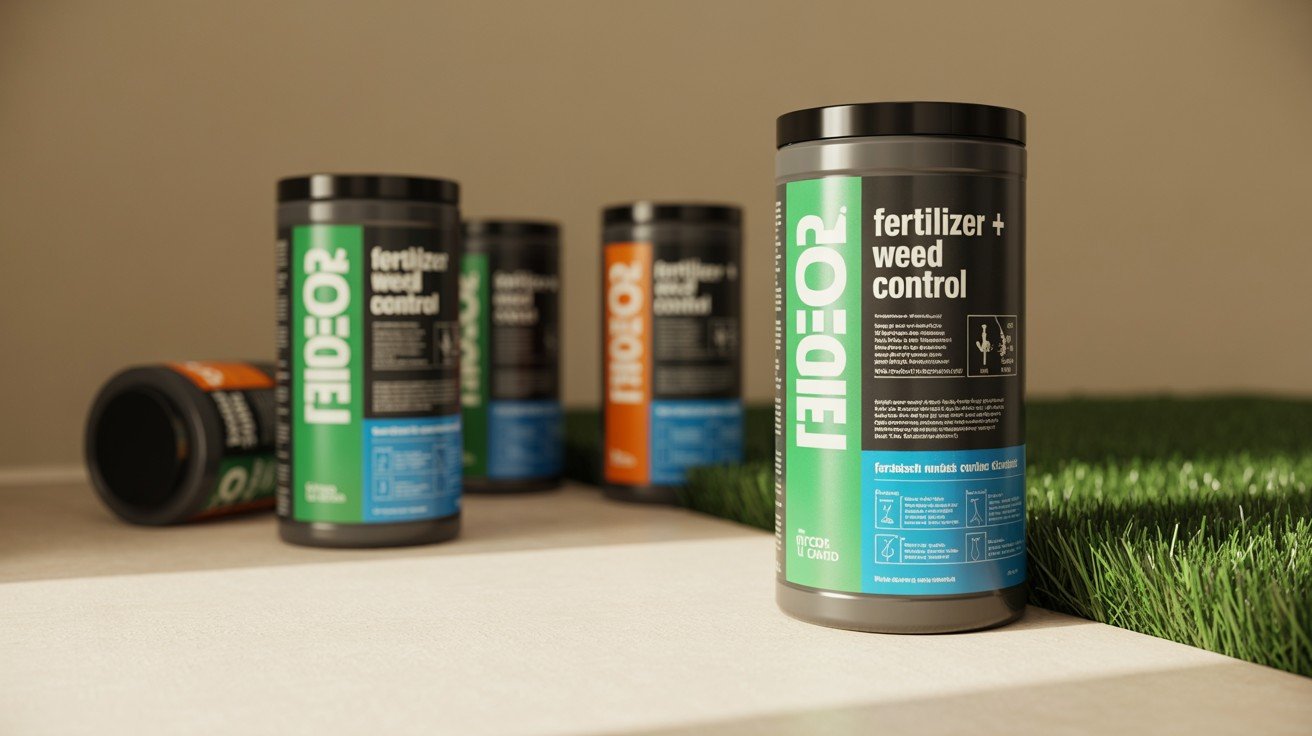
Weed and feed products are more dangerous than plain fertilizer. Herbicides add risk, so avoid lawn use until the product is fully absorbed. These chemicals kill plants, which means they’re more toxic to touch or ingest.
Follow the product label closely because every brand is different. Granular weed and feed products may require longer wait times of 24 to 48 hours, sometimes more. Don’t guess or assume it’s safe sooner than the label states.
Slow-Release Fertilizer Pods
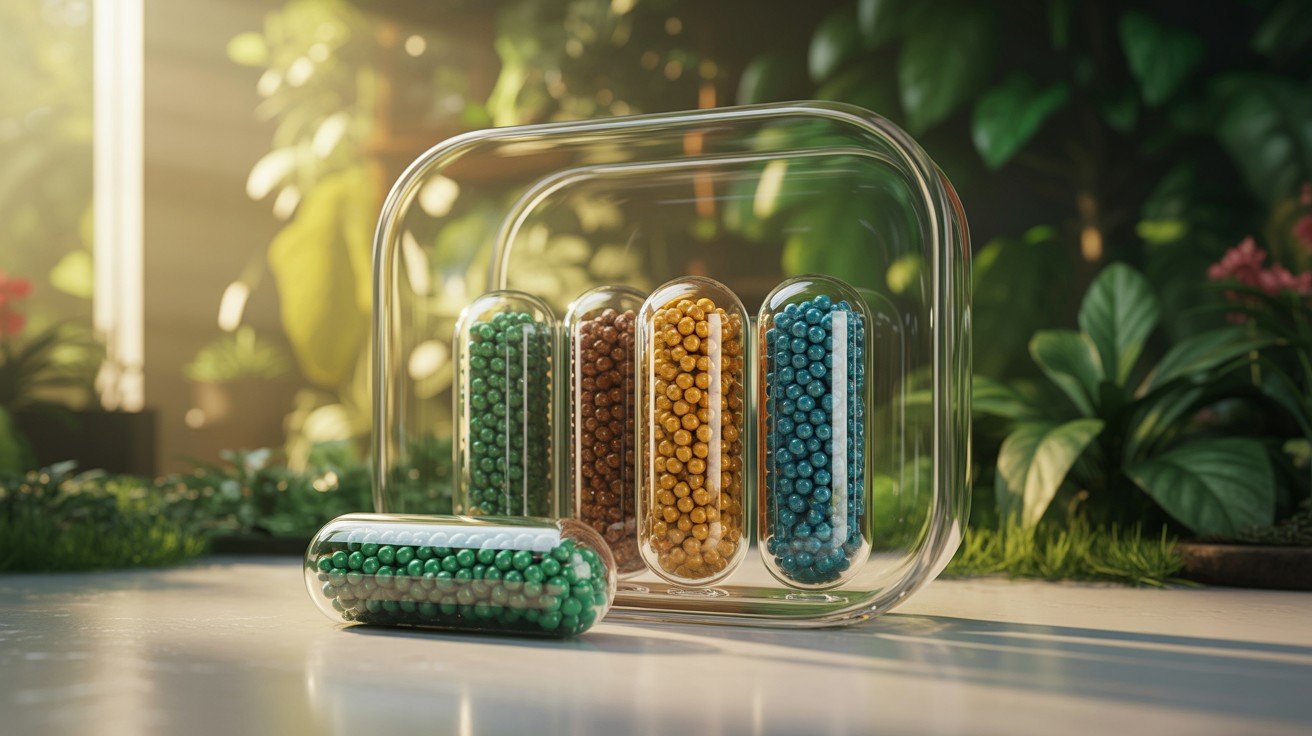
Fertilizer pods work differently from surface applications. They’re buried in the soil, reducing contact risks significantly. You’re not spreading chemicals across the grass surface where feet and paws touch.
Light walking is allowed, but avoid heavy traffic for a few weeks to a month while plugs establish roots. The restriction isn’t about chemical safety here. It’s about protecting newly planted grass or sod from getting trampled before roots take hold.
Weather Conditions

Weather changes everything about fertilizer timing. Rain immediately after application can wash fertilizer away before the soil absorbs it. You lose effectiveness and risk chemicals running into storm drains.
Hot sunlight can dry liquid fertilizer too fast, sometimes causing uneven coverage or leaf burn. Humid weather delays drying, which means longer wait times before the lawn is safe. Check the forecast before fertilizing and plan your application for mild, dry weather when possible.
Safety Guidelines for Pets
Pets are more vulnerable to fertilizer because they walk barefoot, lick their paws, and eat things they shouldn’t. Extra precautions protect your furry family members from serious harm.
- Chemical fertilizers burn sensitive paw pads: Chemicals on grass blades transfer to paws and cause irritation or burns.
- Herbicides and bone meal are highly toxic: Weed killers like 2,4-D poison animals, while bone meal causes digestive blockages requiring surgery.
- Liquid fertilizer needs 2 to 6 hours to dry: Test the grass with your hand before letting the dogs out.
- Granular fertilizer needs 24 hours plus watering plus drying: This means a full day minimum, sometimes two days.
- Keep pets indoors during and after application: Put them in a separate room or take them for a long walk while you work.
- Watch for emergency symptoms: Vomiting, drooling, tremors, and trouble breathing can appear within minutes or hours.
- Get immediate vet care if symptoms appear: Don’t wait to see if they improve, and bring the fertilizer bag to the vet.
Safety Guidelines for Children
Kids love playing outside, but fertilized grass poses real risks because their smaller bodies are more sensitive to chemicals, and they touch everything without thinking about safety.
- Young children put their hands in their mouths constantly: Hand-to-mouth contact transfers fertilizer chemicals directly when they touch grass without washing their hands.
- Chemical residue spreads everywhere: Kids track chemicals inside on shoes, clothing, and toys to carpets, furniture, and bedding.
- Use the same timelines as for pets: Liquid fertilizer needs 2 to 6 hours to dry, while granular needs 24 hours plus watering plus drying.
- Don’t take chances with children’s health: Wait the full recommended time before letting kids back on the lawn.
- Avoid barefoot play for several days: Bare feet pick up more residue than shoes, even after the lawn is safe.
- Make kids wear shoes outside: Let them wear shoes for 48 to 72 hours after fertilizing and leave those shoes at the door.
- Create a shoe-free zone inside: Keep outdoor shoes by the entrance to prevent tracking fertilizer residue throughout your home.
How Does Watering Affect Timing?
Watering changes when your lawn becomes safe to use. The timing depends on whether you used liquid or granular fertilizer. Getting the watering sequence right protects your family and ensures the fertilizer works properly.
Liquid Fertilizer
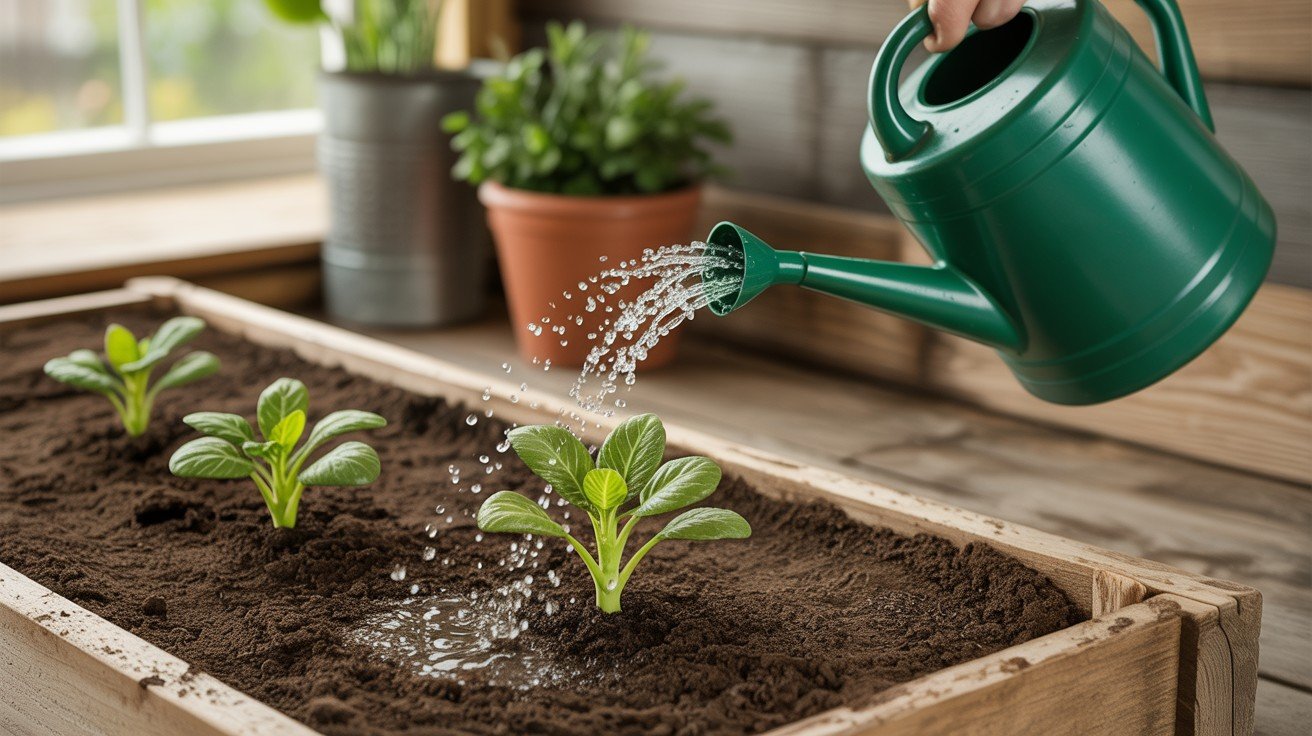
Liquid fertilizer needs to dry first before you water. Water after drying, usually 2 to 4 hours later. This gives the liquid time to bind to the grass blades instead of washing away immediately.
If you water too soon, you’ll wash the fertilizer off the grass before it absorbs. Wait until the grass feels completely dry to the touch, then water deeply to push nutrients into the soil.
Granular Fertilizer
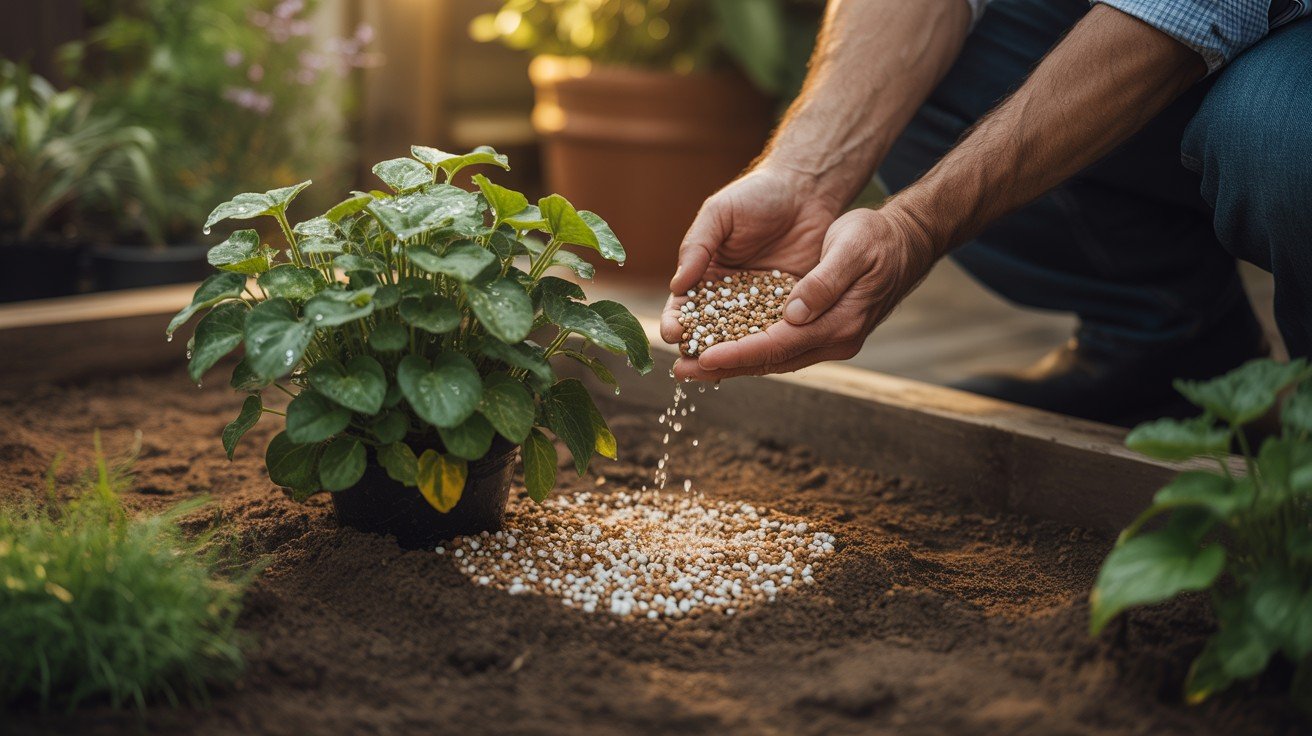
Granular fertilizer works the opposite of liquid fertilizer. It must be watered in after application to activate and dissolve the pellets. Without water, those granules just sit on top doing nothing.
Wait until the lawn fully dries before allowing traffic after you water it in. The grass needs to go from dry granules, to wet and dissolving, to dry again. This complete cycle usually takes 24 hours.
Exception: weed control granules must dry before watering. Herbicide granules need time to stick to the weed leaves first. Check your product label because some require 24 hours of dry time before watering, while others need less.
How to Apply Fertilizer With Fewer Restrictions?
Smart planning reduces how long you need to stay off your lawn. A few simple strategies minimize disruption to your daily routine without eliminating wait times.
- Apply in early morning or late evening: Cooler temperatures mean faster drying and less foot traffic, giving the lawn time to process before peak activity.
- Mark treated areas clearly: Use stakes, flags, or caution tape so everyone knows where not to walk and prevent accidental exposure.
- Create temporary pet routes: Block off the backyard and use alternative areas until the waiting period ends.
- Consider organic fertilizers: Organic options made from compost, bone meal, or fish emulsion reduce chemical risks significantly.
- Organic products are safer: They won’t burn skin as easily and pose less toxicity danger if ingested by children or pets.
How to Store Fertilizer Safely?
Proper fertilizer storage protects your family, pets, and the environment from accidental exposure. Follow these simple rules to keep chemicals secure between applications.
- Danger doesn’t end after application: That bag or bottle in your garage poses risks until it’s empty, so proper storage prevents accidents.
- Keep products sealed in original containers: Lids must be tightly closed to prevent spills and air exposure that degrades quality.
- Store out of reach of children and pets: Use a locked shed, high garage shelf, or cabinet with concentrated chemicals safely locked away.
- Never transfer to unmarked containers: Keep fertilizer in original packaging so you know what you’re dealing with in emergencies.
- Keep labels intact and readable: Safety instructions tell you what to do in case of emergency exposure or accidental ingestion.
- Choose a cool, dry storage location: Heat and moisture can cause fertilizer to break down or become unstable.
- Check containers regularly for damage: Replace torn, leaking, or degraded bags and bottles to prevent accidental exposure.
When Can You Walk on Your Lawn Again?
Let me put it all together so you know exactly when it’s safe. Different fertilizer types have different timelines. Here’s your quick reference guide for every situation.
Liquid fertilizer: 30 minutes to 2 hours after fully dry. Touch the grass to confirm it’s dry, not damp. Sunny weather speeds this up. Shade and humidity slow it down.
Granular fertilizer: 24 hours plus watering plus drying. Water the granules first, then wait for everything to dry completely. This usually means at least one full day, sometimes two, depending on the weather.
Weed and feed products: Follow longer product-specific timing on the label. These combination products contain herbicides that need more time to absorb. Expect 24 to 48 hours minimum, possibly longer.
Slow-release fertilizer pods: Avoid heavy traffic for weeks after installation. Light walking is fine immediately since pods are buried, but give new grass or sod time to establish roots before kids or pets play hard on it.
When to Contact a Professional?
Sometimes things go wrong despite your best efforts. Knowing when to call for help prevents small problems from becoming disasters. Don’t wait if you see these warning signs.
For Lawn Issues
- Fertilizer damage shows up fast: If your lawn shows burns or uneven color within days of fertilizing, you may have over-applied or used the wrong product.
- Watch for visible damage signs: Brown patches, yellow streaks, or dead spots mean the grass is stressed or dying from fertilizer burn.
- Runoff wastes money and harms the environment: If fertilizer runoff occurs during rain or overwatering, it creates problems beyond your lawn.
- Contact a lawn care professional: A professional can assess the damage and recommend fixes like reseeding or soil amendments to restore your lawn.
- Act quickly to save your grass: The sooner you address fertilizer damage, the better chance you have of recovery and preventing permanent dead spots.
For Pet or Child Exposure
- Contact poison control or a vet immediately: If a child or pet ingests fertilizer or shows symptoms, get help right away. Don’t wait to see if they improve.
- Watch for neurological symptoms: Look for vomiting, diarrhea, tremors, seizures, excessive drooling, or trouble breathing.
- Time matters in poisoning cases: Quick action can save lives, so the faster you get medical help, the better.
- Keep the fertilizer package: Bring it to the vet or emergency room so medical professionals know what was ingested.
- Never delay treatment: Even mild symptoms can get worse quickly and require professional medical attention.
Conclusion
Now you know how long to stay off the grass after fertilizing. Liquid products need about thirty minutes to two hours to dry. Granular products need a full day, then watering, then drying. Weed and feed products can take longer, so the label matters.
You now have the information you need to keep your family and pets safe. Give the lawn time to dry, follow the right wait period for the product you used, and stay alert for any signs of exposure in pets or kids.
With these steps, your fertilizer will work as it should, and your yard will be safe to enjoy again. If you have questions about your lawn or a certain product, feel free to ask. I am here to help you choose the safest plan for your home.
Frequently Asked Questions
How long should dogs stay off grass after fertilizing?
Dogs should stay off grass for 24 to 48 hours after granular fertilizer application, or 2 to 6 hours after liquid fertilizer dries completely. Always wait until after watering and complete drying. Keep pets indoors during application to prevent paw pad burns and ingestion risks.
Can I walk on grass immediately after applying granular fertilizer?
No, avoid walking on grass with dry granules. Water the fertilizer first, then wait 24 hours for it to dissolve and the lawn to dry completely. Dry granules can stick to shoes and get tracked indoors or pose ingestion risks.
Is it safe to let kids play on fertilized grass after it dries?
Yes, once the fertilizer dries completely and you’ve followed the recommended wait time for your product type. Avoid barefoot play for 48 to 72 hours. Children should wear shoes outside and leave them at the door to prevent tracking chemicals inside.
What happens if it rains right after I fertilize my lawn?
Rain immediately after fertilizing can wash away the product before the soil absorbs it. You lose effectiveness and risk chemical runoff into storm drains. Check the forecast before applying and avoid fertilizing if rain is expected within 24 hours.
Do organic fertilizers require the same wait time as chemical fertilizers?
Organic fertilizers have lower toxicity risks but still require wait times. Follow the same drying rules: wait until the lawn is completely dry after application. Organic products typically allow re-entry after 24 hours, though risks are lower than with synthetic fertilizers.