

The lawn treatment is done, and now you are asking yourself when it would be safe to use the mower again. This timing is more important than you probably think. If you cut your grass too soon, you might end up wasting your money and damaging the health of your lawn.
After a lawn treatment, you should wait 24-48 hours before mowing. You are safest at the 48-hour point. This allows the treatment to the grass and the weeds that are growing there to be absorbed properly.
This guide will help you different products have different mechanisms. Some have to wait the full two days, while others may be fine after 24 hours. We will now examine the exact time when you can use the lawnmower after the treatment for each type of product.
When Is It Safe to Use Your Lawn After Different Treatments?
Each type of lawn treatment has its own timeline, and knowing these differences helps you get the most from your investment.
After Weed Control Application

For weed killers, you should wait at least 24-48 hours before mowing. The 48-hour waiting period gives you the best results every time.
Here’s why this matters so much. Weed killers work by soaking through the leaves of the weeds. When you mow too early, you’re cutting off the treated leaves before the herbicide can do its job.
Think of it like this: the weed killer needs to travel from the leaf down to the roots. That takes time. If you remove the leaves too soon, you’re removing the chemical before it reaches where it needs to go.
After Fertilizer Treatment
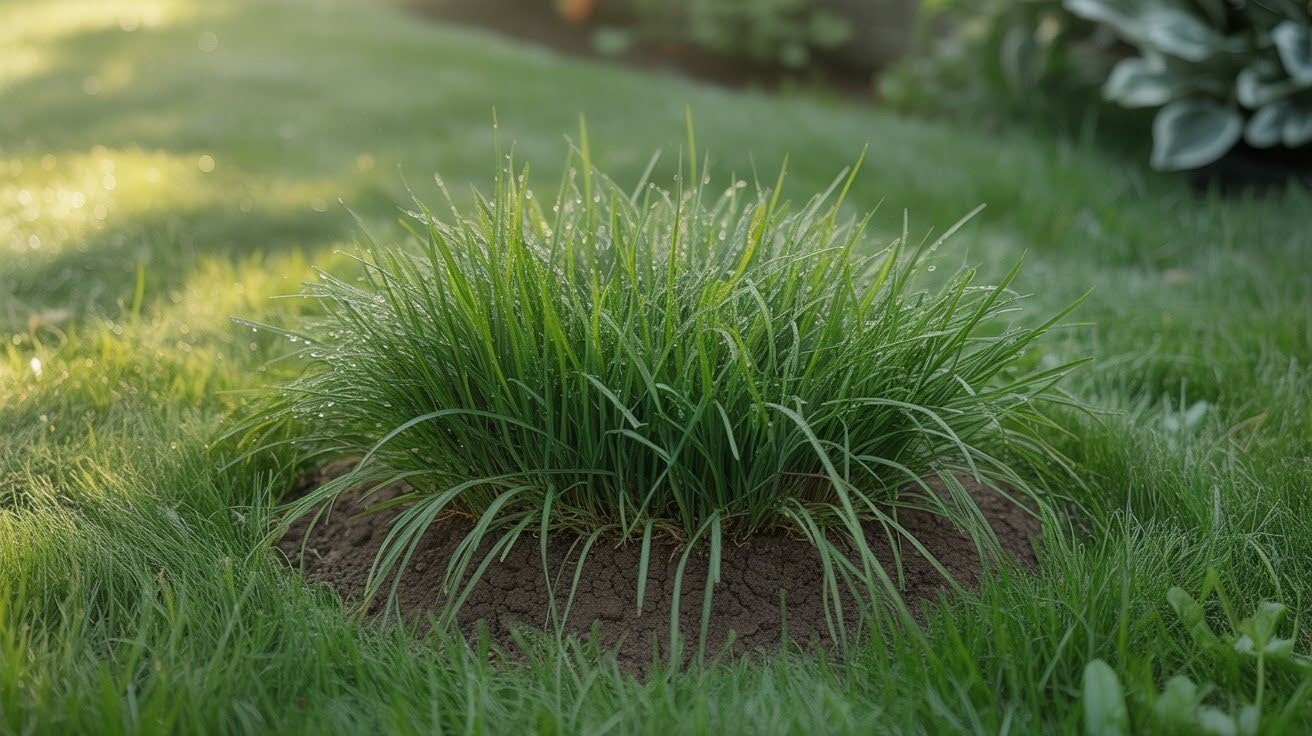
With fertilizer, the 24-48 hour rule still applies for the best outcome. Waiting this long lets the nutrients soak through the grass blades and settle into the soil where roots can grab them.
The good news? Fertilizer is more forgiving than weed killer. If you accidentally mow a bit early, you won’t ruin everything. Most of the nutrients get absorbed through the roots in the soil, not just the grass blades.
Still, giving it the full 48 hours means you’re getting every bit of value from your fertilizer application. Those extra nutrients on the blades will wash down into the soil, feeding your grass from multiple angles.
After Insecticide Application
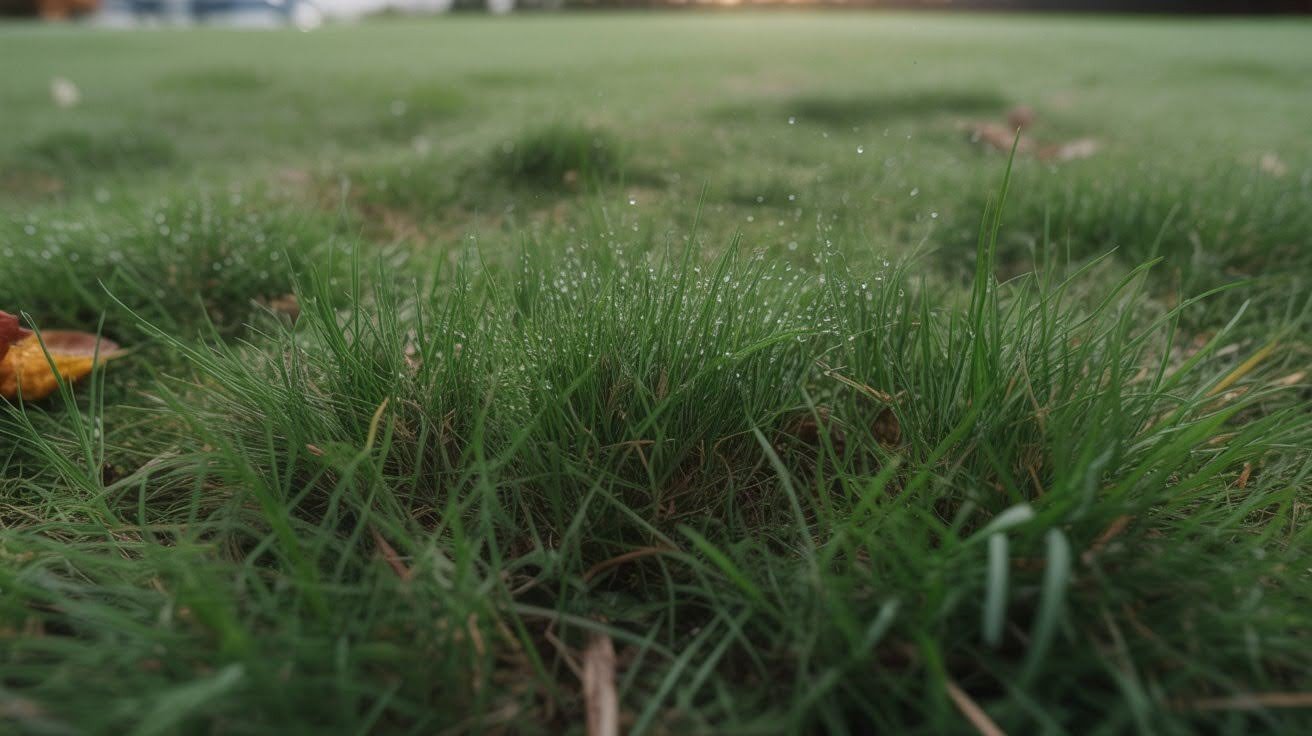
The type of bug killer you use changes how long to wait to mow after lawn treatment. Contact insecticides need at least 24 hours to work. Systemic insecticides work best when you give them 24-48 hours.
Contact insecticides kill bugs on touch. They need to stay on the grass blades where bugs walk and feed. Mowing too soon removes the treated surface before bugs come into contact with it.
Systemic insecticides work differently. They soak into the grass and move through the plant. Bugs eat the treated grass and then die. These need more time because the chemical has to travel through the entire plant.
After Grub Control Treatment
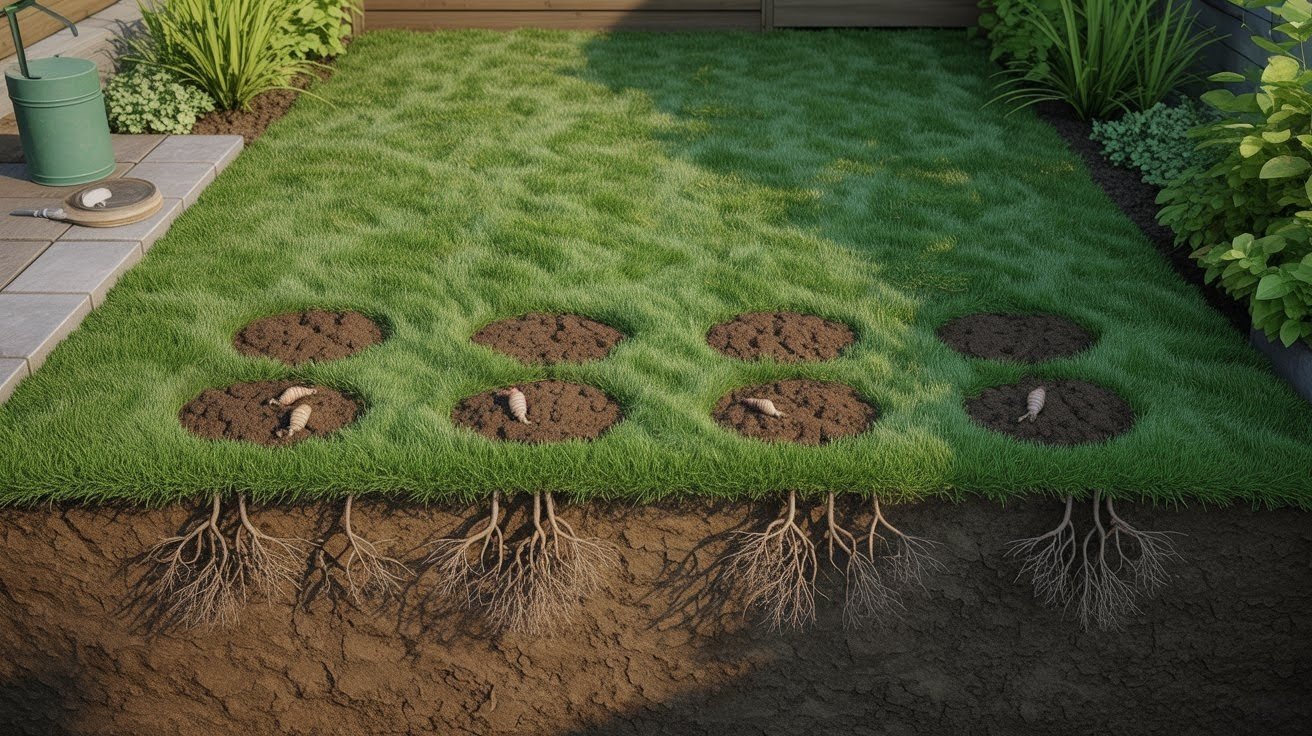
Grub control products need 24-48 hours before you mow. These treatments work by soaking into the soil where grubs live and feed on grass roots.
Most grub killers need to be watered in after application. Your lawn care company will tell you if this is necessary. Once applied, avoid mowing for at least two days to let the product settle and start working.
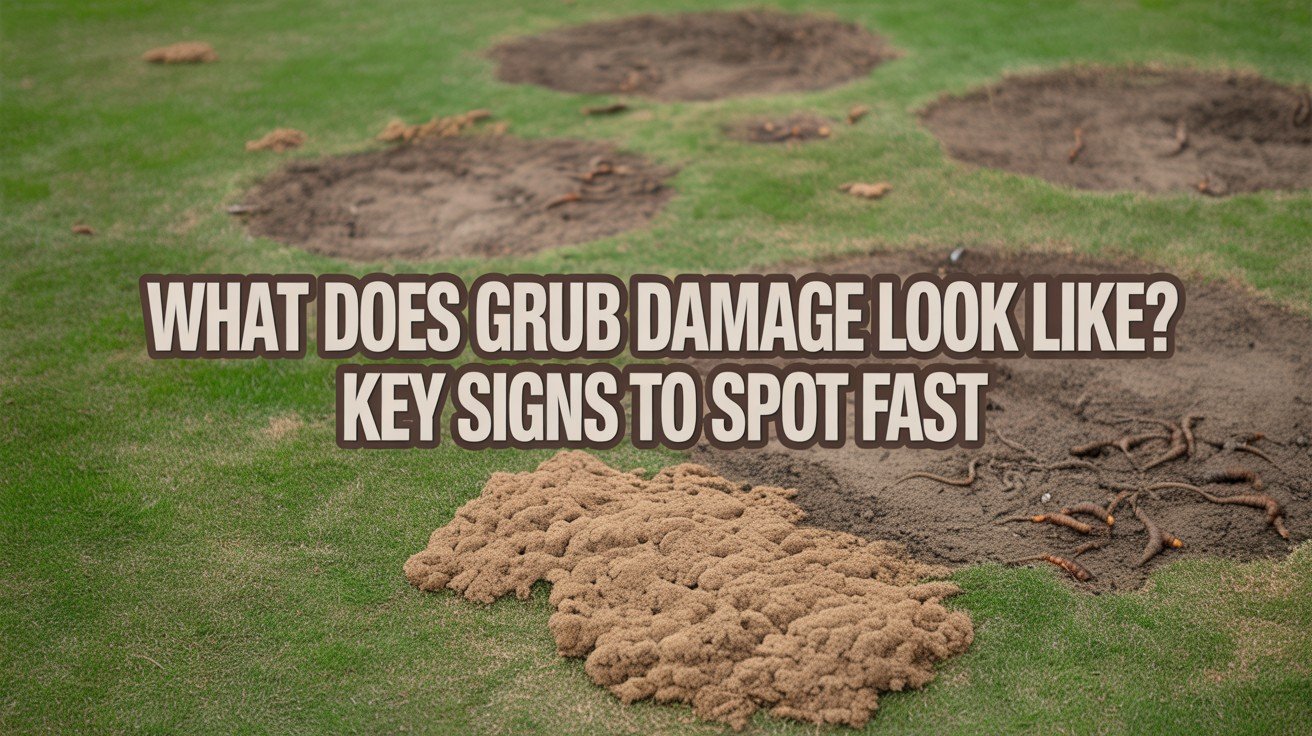
Grubs do serious damage below the surface. They eat grass roots and create brown, dead patches. Letting the treatment work properly means protecting your lawn from these hidden pests.
After Pre-Emergent Herbicide
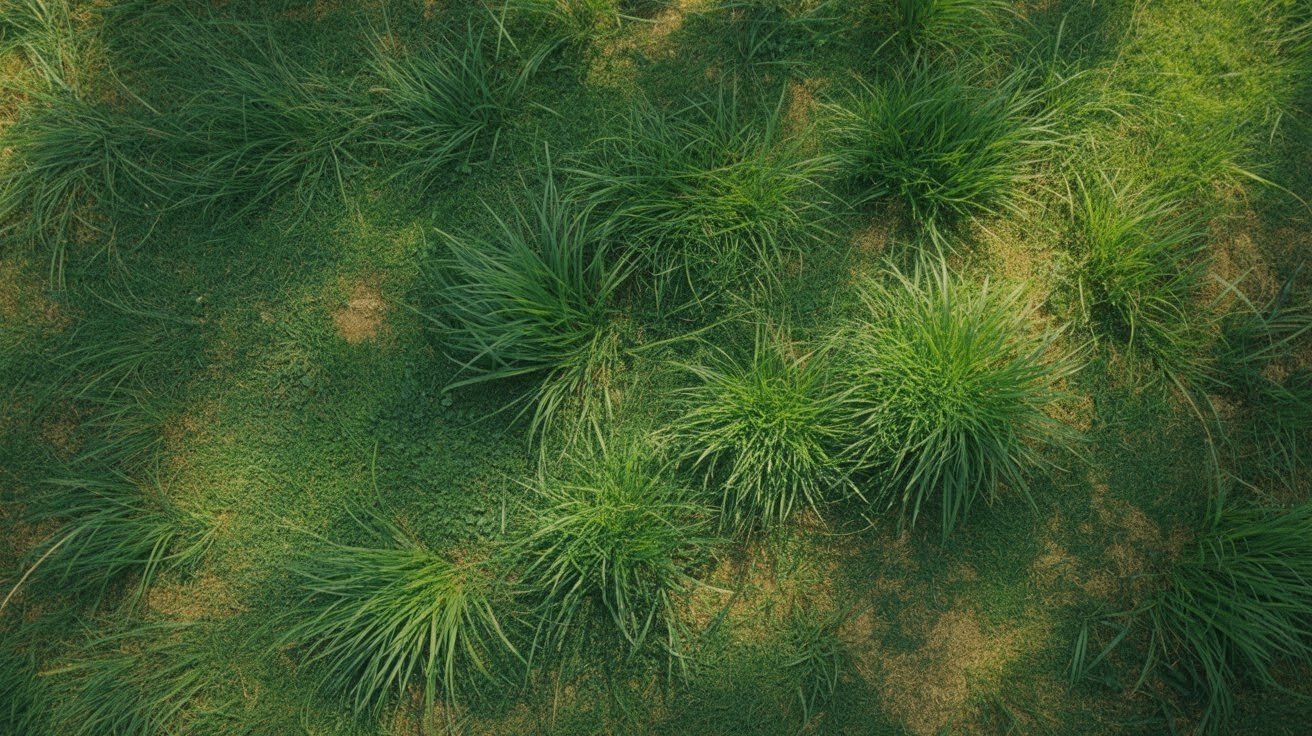
Pre-emergent herbicides stop weeds before they sprout. These products need 24-48 hours to create a barrier in the soil. This barrier stops weed seeds from growing.
You want this barrier to form completely before you disturb the soil. Mowing too soon can disrupt the barrier, especially if your mower wheels press deep into soft soil.
Wait the full 48 hours, and you’ll have fewer weeds all season long. Pre-emergents are your first line of defense against crabgrass, dandelions, and other common lawn weeds. Give them time to work, and your lawn will thank you.
Why You Shouldn’t Mow Too Soon After Spraying?
Mowing too early after treatment is like washing off medicine before it can work. You’re stopping the product from doing what you paid for it to do.
How Lawn Treatments Work?
Most weed killers work through the leaves. The chemical lands on the weed’s foliage and soaks through the surface. From there, it moves down to the roots and kills the entire plant.
Fertilizers need contact time with both grass blades and soil. Some nutrients are absorbed through the leaves, while others need to reach the roots. The longer the fertilizer sits, the more your grass can take in.
Bug killers need time to spread or make contact with insects. Contact types stay on the surface where bugs walk. Systemic types move through the plant, so bugs eat them. Both types need time to get where they’re going before you mow.
What Happens If You Mow Too Early?
When you mow right after treatment, you’re cutting off the grass and weed surfaces that hold the chemicals. The product never gets a chance to soak in and work.
Studies show that mowing too early can cut treatment effectiveness in half or more. You might only get 50% of the results you paid for. That means half your money goes to waste, and your lawn problems stick around.
Your weeds will survive and keep growing. You’ll need to apply more product, which costs more money. Plus, you’re spending extra time dealing with a problem that should have been solved the first time.
What to Do After Your Lawn Treatment (Beyond Mowing)?
Getting the timing right on all your lawn care activities helps every treatment work better and last longer.
The 48-Hour Rule Explained
The 48-hour standard works for almost every lawn treatment. This waiting period gives products the maximum time to soak in and start working.
Weather plays a big role in how well treatments work. Morning dew helps some products stick to leaves. High humidity can speed up absorption. Light rain after 24 hours can actually help some treatments work better by washing them into the soil.
Check the weather before your lawn gets treated. If heavy rain is coming within 24 hours, reschedule if possible. The rain will wash away the treatment before it can work. Following the 48-hour rule protects your investment no matter what the weather does.
Mowing 2 Days After for Heavy Weed Infestations
Here’s a pro tip for serious weed problems: mowing a second time, two days after your first post-treatment mow, can actually help kill stubborn weeds.
Cutting weeds makes them grow faster as they try to recover. This faster growth means they take in the herbicide quickly. The chemical moves through the plant faster when the plant is actively growing.
This only works if you wait the full 24-48 hours first. Let the initial treatment do its job. Then, after you mow the first time, the second mowing a couple of days later stresses the weeds and helps finish them off.
Watering After Lawn Treatment
Most treatments need you to wait 24 hours before watering. Some products are different, though. Always check with your lawn care provider about specific instructions.
Some treatments need to be watered in to work. Grub control and some fertilizers fall into this category. The water helps move the product into the soil where it needs to be.
Other treatments should stay dry. Most weed killers work better when they stay on the leaves without being washed off. Your lawn care company will tell you exactly what your specific treatment needs are.
Common Mistakes to Avoid
Even small mistakes can reduce how well your lawn treatments work, so knowing what to avoid helps you get the results you want.
- Mowing too soon after treatment: This is the most common mistake homeowners make. It cuts treatment effectiveness way down and wastes your money. People get excited about their lawn looking neat.
- Cutting grass too short, scalping: Taking off more than one-third of the grass blade at once stresses your lawn. Weak grass can’t fight off weeds, diseases, or bugs. This goes against everything your lawn treatment is trying to accomplish.
- Mowing wet grass after treatment: Wet grass clumps up and spreads unevenly. You also risk slipping and having an accident. Plus, mowing wet grass after treatment can spread the chemicals around unevenly or remove them before they dry.
- Applying treatment right before rain: Heavy rain within 24 hours washes away most treatments before they can work. Check the forecast and reschedule if needed. A little planning saves a lot of money.
- Not adjusting your schedule for weather: Hot, windy days make treatments dry faster, but you might need shorter wait times. Cool, humid days might need longer wait times. Pay attention to conditions and adjust when you mow.
- Ignoring product-specific instructions: Different brands and types of treatments have different rules. Read labels carefully or ask your lawn care provider. What works for one product might not work for another.
- Mowing in the same pattern every time: This compacts soil in the same tracks and makes the grass lean one way. Change your mowing direction each time. This keeps grass growing straight and prevents soil compaction, which helps treatments soak in better.
Conclusion
Knowing how long to wait before mowing after treating your lawn is a crucial factor in achieving a healthy and thick lawn. A simple answer is 24-48 hours, where 48 hours is considered the safest option.
Different products have slightly different needs, but the 48-hour rule generally applies to almost every situation. If you also follow good mowing habits like not cutting too short and keeping your mower blade sharp, then your lawn will be better than ever.
The lawn care investment that you make is one of the most effective and useful things when you give the treatments the time to work. If in doubt, you can always ask your lawn care provider about the timing of your treatments.
Frequently Asked Questions
Can I mow 24 hours after lawn treatment?
You can mow after 24 hours for most treatments, but 48 hours is better. The extra day ensures complete absorption of all chemicals. If you’re unsure about how long to wait to mow after lawn treatment, choose the longer wait time.
What happens if it rains after lawn treatment?
Light rain after 24 hours can help some treatments. Heavy rain for 24 hours washes away most products. Wait for the lawn to dry completely before mowing. Contact your lawn care provider if heavy rain comes within the first day.
Should I bag or mulch clippings after treatment?
Bag your clippings for the first two mows after weed killer treatments. This removes dead weed material and prevents spreading seeds. After that, mulching is fine and actually feeds your lawn with nutrients from decomposing grass.
How does temperature affect treatment wait times?
Hot weather makes treatments dry faster but can reduce effectiveness. Cool weather means longer drying times but better absorption. Always wait the full 48 hours regardless of temperature to ensure how long to wait to mow after lawn treatment is adequate.
Can I walk on my lawn after treatment?
Yes, you can walk on treated grass after it dries, usually 2-4 hours. Keep pets and children off until dry. For the best results, minimize foot traffic for the full 48 hours while the treatment absorbs into your lawn.