
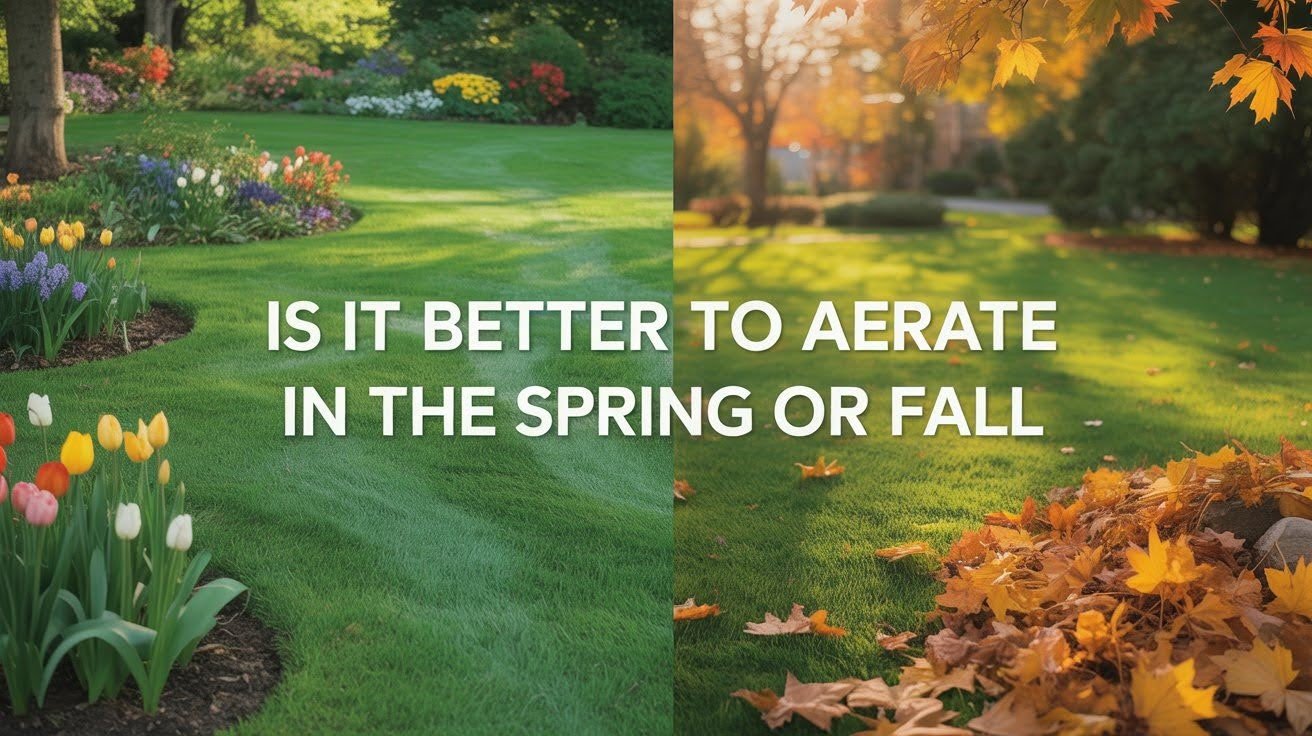
You have likely come across different advice that contradicts each other regarding the best moment to perform lawn aeration. Some homeowners may tell you that it should be done in spring, while lawn care experts will advise you to do it in fall. Thus, who is right?
Generally, the best time to aerate the lawn is in the fall for the majority of lawns, especially those having cool-season grasses such as Kentucky bluegrass, fescue, or ryegrass. The combination of warm soil and cool air creates the perfect conditions for recovery to be done quickly and growth to be vigorous.
Hope this article will help you. We will take a look through this guide at the reasons why fall aeration usually provides better results and at the times when spring would be a better option for your lawn.
Fall Aeration is Better?
If you’ve ever struggled with thinning grass or compacted soil, fall might just be your lawn’s favorite season. During this time, the soil stays warm from summer, while the air cools down – an ideal balance that helps grass roots grow deeper and stronger.
Another reason fall stands out is recovery time. Cool-season grasses like fescue and bluegrass are in their active growth phase, which means they bounce back quickly after aeration. You’ll likely notice thicker, greener blades within a few weeks.
Personally, I find fall aeration to be like giving your lawn a “fresh start” before winter. It helps loosen the ground after months of summer foot traffic and gives your grass the strength it needs to face the colder months ahead.
Lawn Aeration: What It Is and Why It Matters
Aeration is essentially giving your lawn room to breathe. The process addresses soil compaction that prevents your grass from accessing essential resources.
The Aeration Process Explained
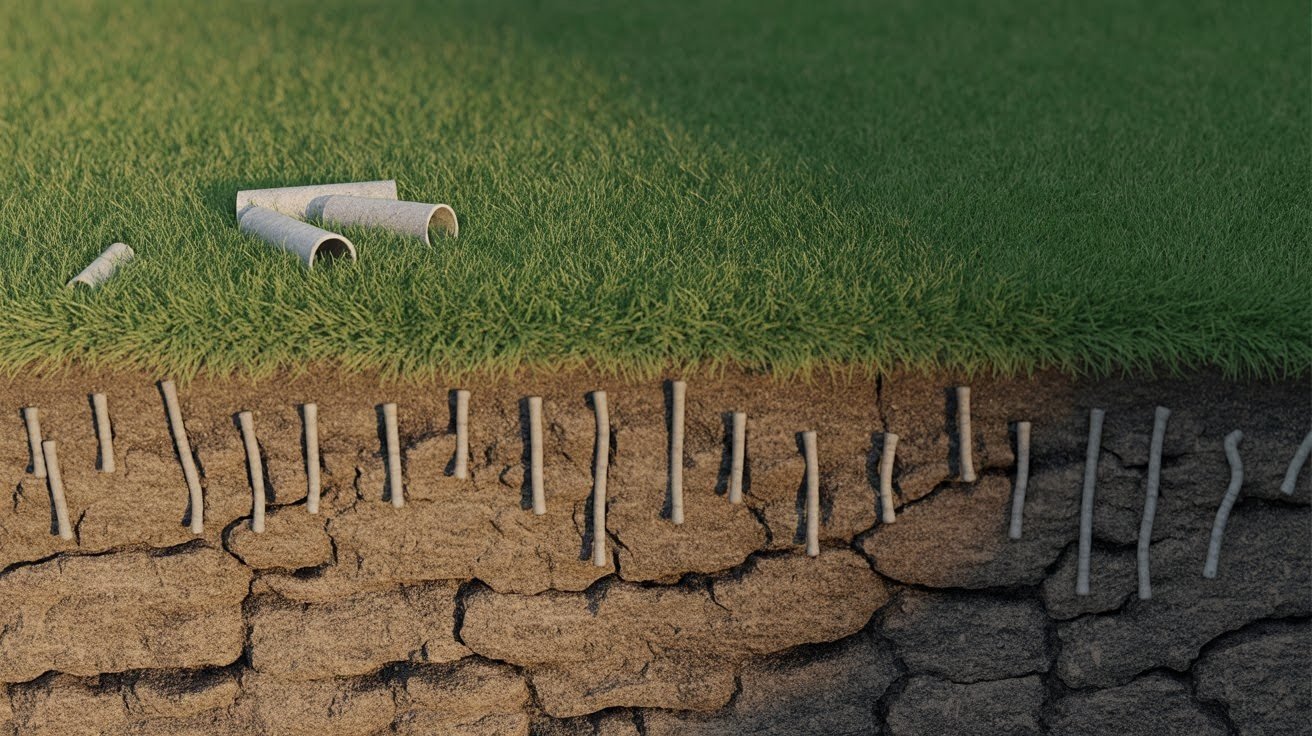
Core aeration uses a specialized machine to pull small plugs of soil from your lawn. These plugs are typically 2-3 inches deep and about half an inch in diameter. The machine leaves these cores on your lawn surface, where they break down naturally.
Creating these holes alleviates soil compaction that builds up over time. Foot traffic, heavy equipment, and even natural settling compress soil particles together. Compacted soil prevents roots from expanding and limits their access to resources.
Once you remove soil cores, air can penetrate deeper into the root zone. Water flows down into the soil rather than running off the surface. Fertilizers and nutrients reach the roots where they’re needed instead of sitting on top of the ground.
Key Benefits of Aeration

| Benefit | How It Works | Long-Term Impact |
| Deeper Root Growth | Aeration holes allow roots to expand downward and outward without resistance | Grass becomes more drought-tolerant and stable |
| Thatch Breakdown | Increased microbial activity in soil helps decompose organic matter | Prevents water-repellent layer formation |
| Improved Nutrient Uptake | Fertilizers reach the root zone instead of washing away | More efficient feeding requires less product |
| Better Drainage | Water penetrates the soil rather than pooling on the surface | Reduces disease risk and muddy patches |
| Enhanced Resilience | Stronger roots mean healthier grass that recovers quickly | Lawn withstands stress from heat, cold, and traffic |
Spring Aeration: When It Makes Sense (and When It Doesn’t)
Spring aeration isn’t always wrong it just requires careful consideration of your grass type and regional conditions. Understanding the trade-offs helps you make the right choice.
The Case for Spring Aeration
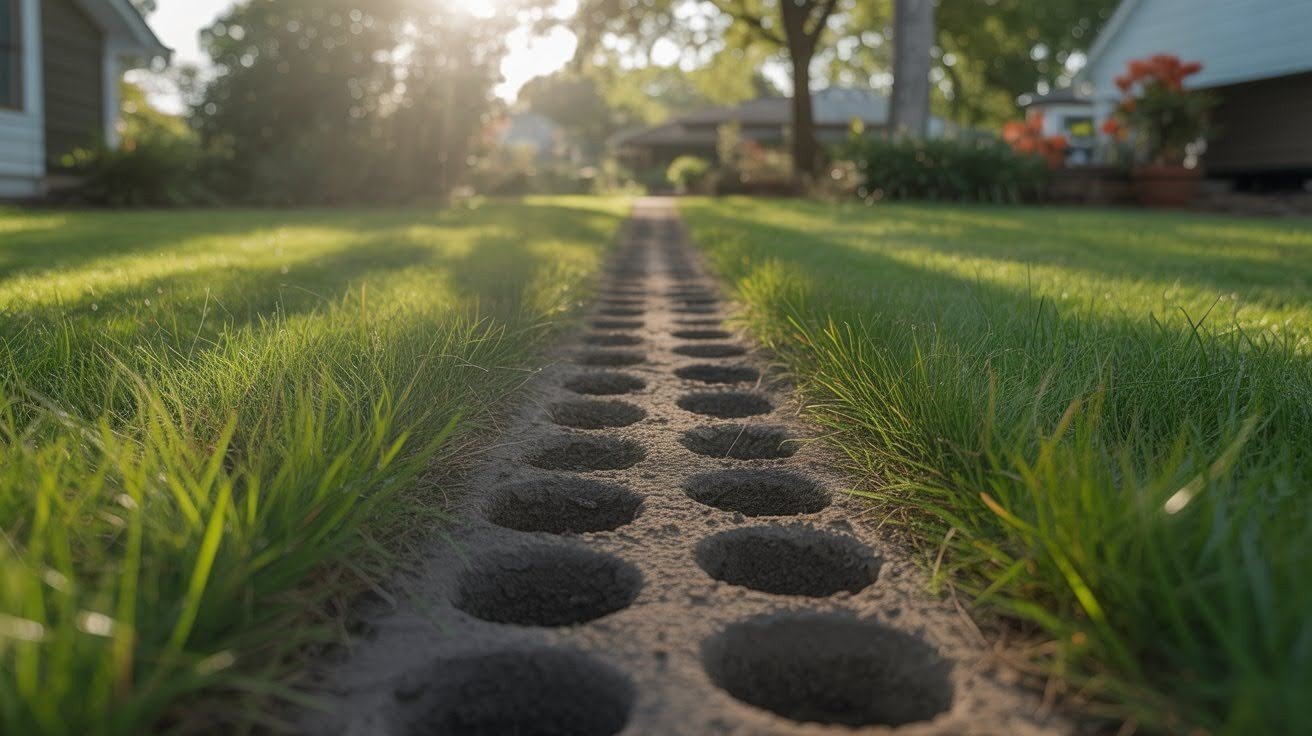
Warm-season grasses like Bermuda, Zoysia, and Buffalo grass actually prefer spring or early summer aeration. These grasses are just beginning their active growth period as temperatures warm. Late spring timing aligns with their natural growth cycle.
The ideal window for warm-season grass aeration runs from March through May in most regions. Your grass is actively growing and can quickly recover from the temporary disturbance. The soil has warmed sufficiently to support rapid root development.
Severely compacted lawns that show almost no growth might benefit from spring aeration even with cool-season grasses. Sometimes the soil is so dense that your grass can’t grow without intervention. In these emergencies, spring timing may be necessary to save your lawn.
Major Drawbacks of Spring Aeration
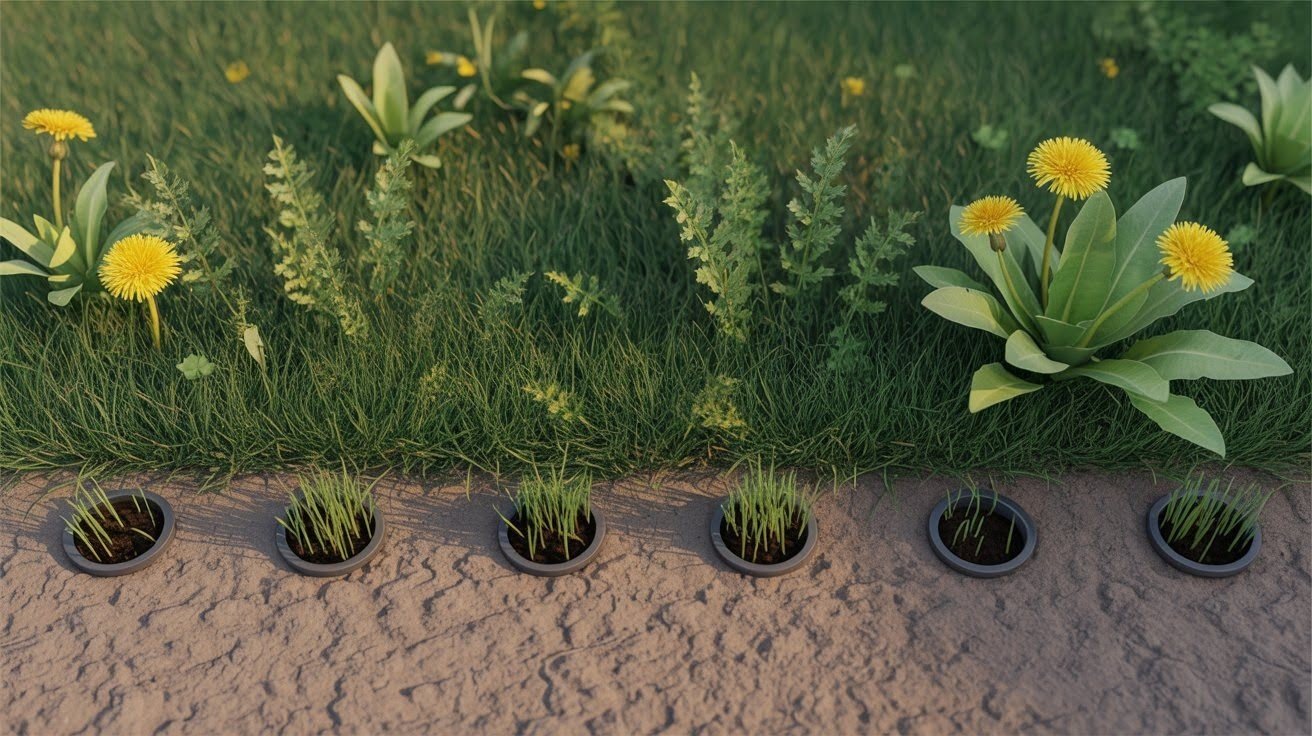
Spring aeration creates perfect conditions for aggressive weed growth. Crabgrass, dandelions, and other weeds germinate rapidly in spring. Your aeration holes become tiny seed beds for these unwanted plants.
Pre-emergent herbicides that prevent crabgrass require an unbroken barrier at the soil surface. Aeration punches thousands of holes through this barrier. You’ll either skip weed prevention or skip aeration. You can’t effectively do both in spring.
New grass seedlings face the approaching summer heat. Even if seeds germinate well in May, those young plants struggle when June and July arrive. Research shows 40-50% of spring-seeded grass fails to survive the first summer.
Spring Aeration Exceptions
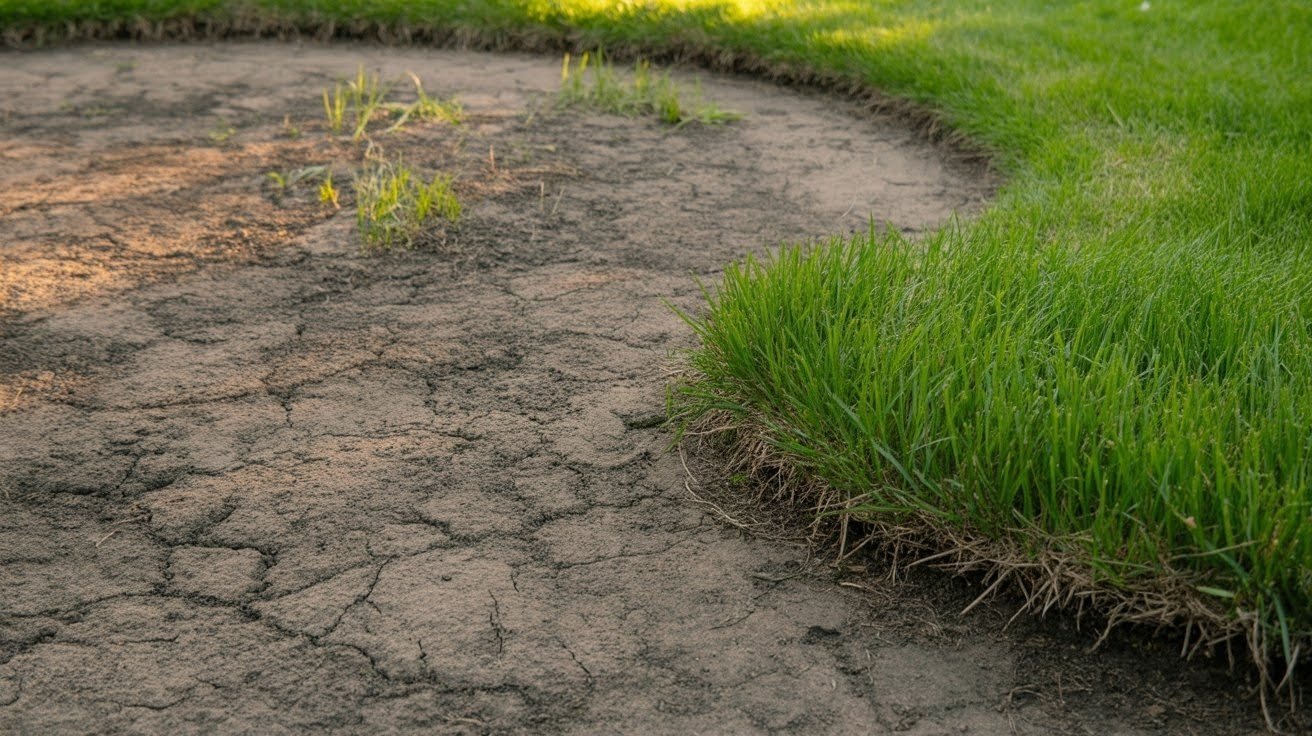
Extreme compaction that prevents any grass growth justifies spring intervention. If your lawn is essentially dead from soil density, waiting until fall means another season of bare ground. Spring aeration can begin the recovery process immediately.
Some specialized seed products now include a component that allows simultaneous seeding and limited weed control. These products cost more but can reduce the trade-offs. Check with local lawn care professionals about availability in your area.
Southern lawns with warm-season grasses should aerate in late spring or early summer. This timing matches when Bermuda, Zoysia, and St. Augustine grass are actively growing. These grasses go dormant in the fall and can’t recover from aeration during their dormant period.
Fall Aeration: The Optimal Choice for Most Lawns
For the majority of homeowners with cool-season grasses, fall aeration delivers superior results. The timing aligns perfectly with grass biology and environmental conditions.
Perfect Timing for Cool-Season Grasses
The optimal fall aeration window runs from late August through October in most regions. Your specific timing depends on your local climate and first frost date. Aim to aerate at least 4-6 weeks before ground freeze.
Soil temperatures remain warm well into November across much of the country. Even as air temperatures drop, the ground retains heat that supports root growth. This extended warm soil period is crucial for recovery and establishment.
Cool air temperatures reduce stress on grass plants while roots continue developing. Your grass doesn’t have to support heavy top growth and root development simultaneously. Energy goes primarily into building a strong root system.
Why Fall Overseeding Works Better
Aeration holes provide exceptional seed-to-soil contact for overseeding. Seeds fall into the holes where they’re protected and have direct contact with moist soil. Germination rates increase significantly compared to surface seeding.
Weed competition is minimal during the fall months. While spring brings thousands of germinating weed seeds, fall conditions keep most annual weeds dormant. Your grass seedlings can establish without fighting for resources.
Natural moisture from fall rains supports germination without constant irrigation. You’ll spend less on water bills and less time managing sprinklers. Consistent moisture levels create ideal conditions for seedling development.
The Weed Control Advantage
Fall aeration doesn’t interfere with spring crabgrass prevention programs. You apply pre-emergent herbicide in early spring to an established lawn. The chemical barrier remains intact throughout the critical germination period.
You can maintain your year-round weed control schedule without gaps. Broadleaf weed treatments, pre-emergents, and post-emergent applications all proceed normally. Your lawn stays cleaner and healthier throughout the year.
Bare spots from aeration fill in with grass rather than weeds. The grass has a head start and dominates the space. By spring, your lawn is thick enough that weed seeds can’t penetrate to the soil surface.
Reduced Lawn Stress Factors
Outdoor activities naturally decrease as fall progresses into winter. Less foot traffic means your grass can establish roots without constant disturbance. Kids and pets spend more time indoors as the weather cools.
Cooler temperatures eliminate heat stress on developing grass plants. You won’t see seedlings withering in the afternoon sun. Morning dew and mild temperatures create perfect growing conditions.
Mowing frequency decreases as grass growth slows for the season. Fewer mowing sessions mean less stress on young grass and less chance of pulling up seedlings. You might only mow 3-4 times after fall aeration.
Grass Type Matters: Warm-Season vs. Cool-Season Considerations
Your grass type determines the best aeration timing more than any other factor. Understanding your grass species is essential for success.
Cool-Season Grasses (Ryegrass, Fescue, Kentucky Bluegrass)
Cool-season grasses thrive during spring and fall when temperatures range from 60-75°F. These grasses experience their most vigorous growth periods during these moderate temperature windows.
Fall is the primary aeration time for cool-season lawns. Your grass is actively growing and can quickly recover from aeration. The approaching winter doesn’t harm these varieties since they’re adapted to cold temperatures.
These grasses go dormant or semi-dormant during summer heat. Growth slows dramatically when temperatures consistently exceed 85°F. Photosynthesis decreases, and the grass focuses on survival rather than growth.
Warm-Season Grasses (Bermuda, Zoysia, Buffalo)
Warm-season grasses grow actively from April through October when soil temperatures exceed 65°F. These varieties thrive in heat that would stress cool-season grasses. Peak growth occurs during the hottest summer months when temperatures reach 85-95°F.
The best aeration timing for warm-season lawns is late spring through early summer. This aligns with their active growth period when they can quickly recover. Aerating in the fall would occur when these grasses are preparing for dormancy, and they can’t recover effectively.
These grasses go completely dormant in cooler months. When soil temperatures drop below 55°F, growth stops entirely. The grass turns brown and remains dormant until warm weather returns. This is why the question it is better to aerate in the spring or fall has different answers based on grass type.
Core Aeration vs. Liquid Aeration: Understanding Your Options
Two main aeration methods are available to homeowners. Each has distinct characteristics and applications.
Liquid Aeration Alternative
| Feature | Core Aeration | Liquid Aeration |
| Method | Mechanical removal of soil plugs | Chemical solution breaks down dense soil |
| Visibility | Obvious holes and cores on the surface | No visible disruption to the lawn |
| Effectiveness | Proven results backed by decades of research | Effective but with less research history |
| Best For | Moderate to severe compaction | Light to moderate compaction |
| Cost | Moderate (rental or service) | Generally less expensive |
| Recovery Time | 1-2 weeks for cores to break down | Immediate-no cores to decompose |
| Soil Types | Works on all soil types | Most effective on clay soils |
| Application | Once or twice per year | Can be applied more frequently |
Common Aeration Mistakes to Avoid
Even straightforward lawn care has pitfalls that can reduce effectiveness or harm your grass. Avoiding these errors ensures better results.
- Never aerate dormant grass: Your lawn can’t recover when it’s not actively growing. Spring or fall timing should align with peak growth periods for your grass type. Aerating dormant grass creates holes that invite weeds without giving your grass.
- Consider summer stress before spring seeding: If you aerate and overseed in spring, those seedlings face brutal summer heat within weeks. Calculate whether your grass can establish sufficient roots before temperatures climb above 85°F consistently.
- Wait for proper soil moisture: Aerating waterlogged or muddy soil causes more compaction and can damage your lawn. Conversely, rock-hard dry soil won’t allow tines to penetrate properly.
- Don’t skip aeration to save money: Compaction is progressive and creates problems that cost more to fix later. Thin grass invites weeds, requires more water, and needs more fertilizer. Annual aeration is preventive maintenance that saves money long-term.
- Invest in quality seed and sufficient quantities: Cheap seed mixes contain filler, excessive annual ryegrass, or weed seeds. Apply seed at proper rates (typically 5-8 pounds per 1,000 square feet for overseeding).
Conclusion
For the most part, the answer for people who have cool-season grasses is clearly fall. The combination of soil that’s still warm, air that’s cool, hardly any weeds, and natural rain makes grass recovery and growth an easy job. Your lawn gets deep roots before it is dormant and comes back thick and healthy in the spring.
Spring aeration is mainly a good idea for warm-season grasses that grow in the southern regions. These types of plants require late spring or early summer to be in their active growth period.
Don’t think of aeration as a highly convenient luxury or a treatment that you will only use when you have problems. Regular aeration is indeed preventive maintenance through which your lawn stays healthy and long-term costs are lowered.
Frequently Asked Questions
Can You Aerate Your Lawn Too Often?
Most residential lawns only need annual aeration. Over-aerating can temporarily stress grass and isn’t necessary unless you have severe compaction or clay soil. High-traffic areas might benefit from twice-yearly aeration, but more frequent aeration provides diminishing returns for typical home lawns.
Should You Water After Aerating Your Lawn?
Yes, water your lawn immediately after aeration if you’ve overseeded. Keep the top inch of soil consistently moist for 2-3 weeks until the grass germinates and establishes. Without a seed, water normally, but monitor for dry spots, as increased penetration may change your irrigation needs temporarily.
How Long Does It Take to See Results From Aeration?
Visual improvements appear within 2-4 weeks as grass growth accelerates. If you’ve overseeded, new grass becomes visible in 10-14 days. Maximum benefits develop over 6-8 weeks as roots expand into aeration holes. Long-term improvements in drought tolerance and density continue throughout the following growing season.
Is It Better to Aerate in the Spring or Fall for New Grass Seed?
Fall is better for seeding after aeration in most regions. Cool temperatures and natural rainfall support germination without summer heat stress. Spring seeding faces 40-50% failure rates when summer arrives. Only southern lawns with warm-season grasses should combine spring aeration with seeding efforts successfully.
What Happens If You Don’t Aerate Your Lawn Regularly?
Soil compaction progressively worsens without regular aeration. Water runs off instead of penetrating, requiring more frequent watering. Roots remain shallow, making grass susceptible to drought and disease.