
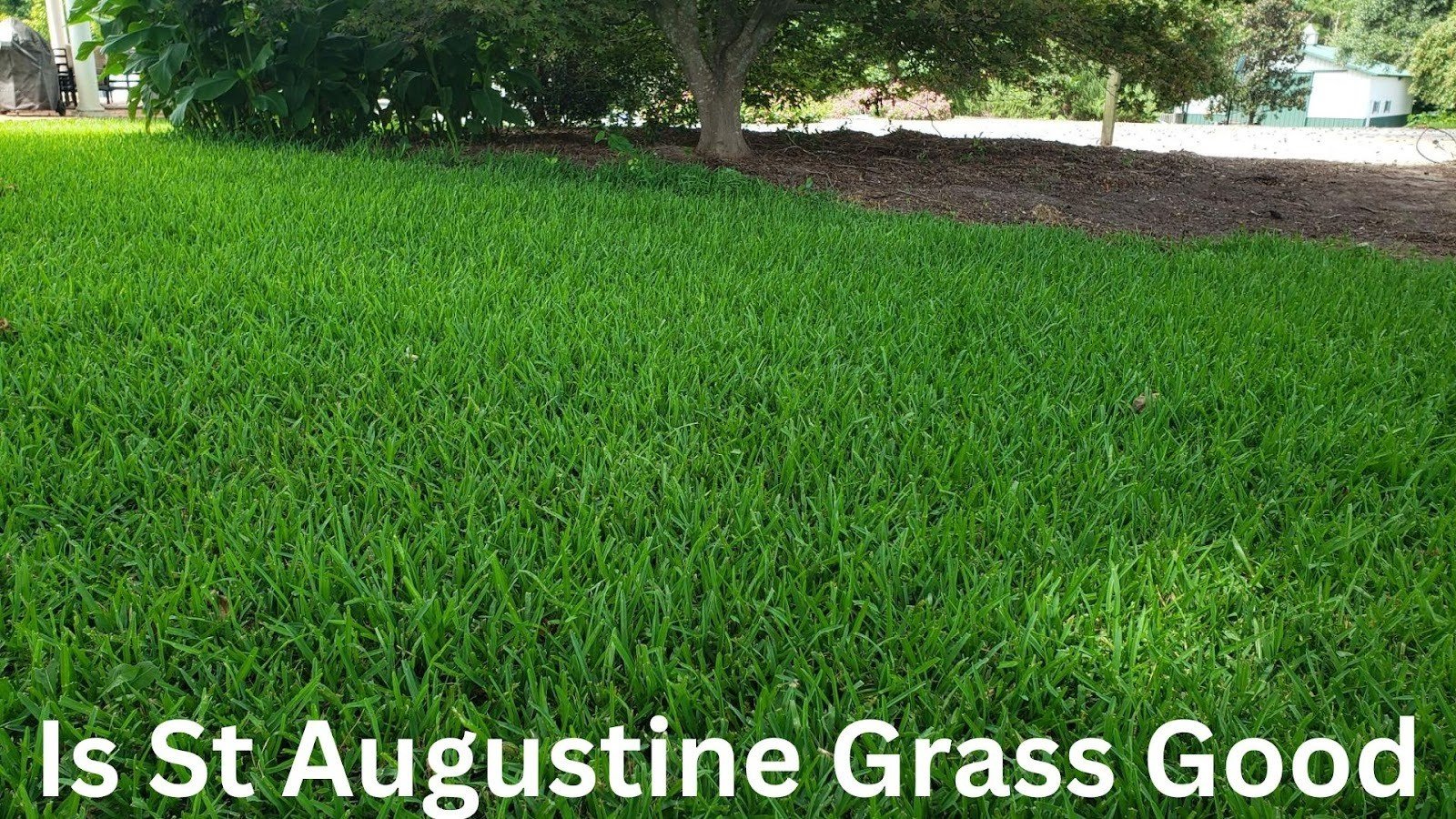
Are you considering the use of St. Augustine grass for your lawn? You are not the only one. This type of grass has been the choice of a great number of lawns in the warm areas of the U.S. Before you decide, you definitely need to find out if it is suitable for your case.
Is St. Augustine grass a good fit for your lawn? The response to that question is dependent on your whereabouts and what you desire from your yard. This grass performs well in hot and humid environments such as Florida, Texas, and Southern California.
This Guide will help you clear the doubt and concern that St. Augustine grass is not the ideal solution for every case. If you are living in a cold area or if there is heavy foot traffic on your lawn, it is better to take your pick among other alternatives.
Is St. Augustine Grass Good for Your Lawn?
Yes, St. Augustine grass is good in warm climates with the right conditions. This grass type thrives in hot, humid areas where temperatures stay warm most of the year. If you live in the southern United States, this might be your best option.
This grass works well for homeowners who want a thick, green lawn and live in areas with some shade. It handles heat better than most other grass types. You’ll get the best results if you have warm weather, moderate shade, and can provide regular care during the first few months.
Is St. Augustine grass good for cold areas? No. It’s not ideal for regions with freezing winters, yards with constant foot traffic, or spaces with very heavy shade. You also need to be ready to deal with some common pests and diseases. The key is matching this grass to your specific yard conditions and climate.
Advantages and Disadvantages of St. Augustine Grass
If you’re thinking about giving your lawn a fresh, tropical touch, St. Augustine grass might be the perfect fit. It’s a favorite among southern homeowners for its lush, carpet-like texture, but like any grass type, it has its advantages and disadvantages depending on your yard’s needs and climate.
| Advantages | Disadvantages |
| Thrives in Heat: Handles high temperatures extremely well, staying green when many other grasses fade. | Not Cold-Tolerant: Struggles in areas with frost or long winters, turning brown when temperatures drop. |
| Dense, Lush Growth: Creates a thick, soft lawn that feels great to walk on and looks beautiful year-round. | Needs Regular Mowing: Grows quickly in warm weather, so you’ll need to mow often to keep it neat. |
| Excellent Shade Tolerance: Grows well under trees and partial shade where other grasses thin out. | Susceptible to Pests: Can attract chinch bugs if not monitored, especially in hot, humid conditions. |
| Easy to Establish: Spreads quickly through runners, filling empty spaces and forming an even turf. | High Water Needs: Requires consistent moisture to stay healthy, especially during dry spells. |
| Low Maintenance Once Settled: After establishment, it stays strong with minimal fuss. | Prefers Specific Soil Types: Doesn’t do well in compacted or sandy soils without proper preparation. |
Challenges and Limitations of St. Augustine Grass
Now let’s be honest about the downsides. Every grass type has weaknesses, and St. Augustine is no exception.
| Challenge / Limitation | Description | Impact / Considerations |
| Poor Cold Weather Tolerance | St. Augustine grass cannot handle frost or freezing temperatures. | Grass may go dormant or die during cold snaps. Northern states and high elevations are unsuitable. Overseeding or accepting a brown lawn may be needed. |
| Susceptibility to Pests and Diseases | Common pests include chinch bugs, grub worms, and armyworms. Diseases like brown patch fungus, gray leaf spot, and take-all root rot can occur. | Regular monitoring and treatment with pesticides or fungicides are often required. Increases maintenance time and cost. |
| Thatch Buildup Issues | Produces thatch faster than most grasses. Thick layers prevent water and nutrients from reaching roots. | Requires annual dethatching with equipment or services. Excessive thatch can suffocate grass and promote pests/diseases. |
| High Water Requirements During Establishment | New grass needs frequent watering for the first 2-3 weeks. | Increases water bills and may be restricted in dry areas. Once established, water needs drop significantly. |
| Limited Heavy Shade Performance | Needs at least 4-6 hours of direct or filtered sunlight. Dense shade causes thinning. | Under large trees, grass may become sparse or patchy. Shady yards may require alternative shade-tolerant plants. |
How to Maintain St. Augustine Grass for Best Results?
Taking care of St. Augustine grass the right way makes all the difference between a great lawn and a struggling one.
Proper Mowing Techniques
Set your mower blade high for St. Augustine grass. The ideal height is 2.5-4 inches, with higher being better in most cases. Tall grass shades out weeds and helps roots grow deeper.
Mow your lawn weekly during the active growing season. Never cut more than one-third of the blade height at once. Removing too much at one time stresses the grass and opens the door for disease.
Keep your mower blades sharp. Dull blades tear grass instead of cutting it cleanly. These torn edges turn brown and invite disease. Sharpen or replace your blades at least twice per season for the best results.
Fertilization Schedule and Requirements
Feed your St. Augustine grass 2-6 times per year, depending on the variety you have. Use slow-release fertilizer made specifically for St. Augustine. These products release nutrients gradually rather than all at once.
Look for balanced or nitrogen-rich formulas. Your first feeding should happen in the spring after the grass turns green. Apply mid-season feeding during summer, then give a light application in fall before the grass slows down.
Always follow the instructions on your fertilizer package. More isn’t better with lawn fertilizer. Too much nitrogen can actually encourage disease and thatch buildup. Stick to the recommended amounts for healthy growth.
Watering Best Practices
Water deeply but less frequently. This encourages roots to grow down into the soil, looking for water. Shallow, frequent watering creates weak, shallow roots that struggle during dry periods.
Water in the early morning, ideally between 4-10 AM. This gives the grass time to dry before evening. Watering at night keeps grass wet for hours, which promotes fungal diseases.
How much and how often depends on your soil and weather. A good rule is to water when you see footprints staying visible on the grass. Apply enough water to soak down 6 inches into the soil each time you water.
Pest and Disease Management
Check your lawn regularly for signs of problems. Look for yellowing patches, dead spots, or areas that don’t respond to watering. Early detection makes treatment much easier and cheaper.
For chinch bugs, you’ll need insecticide treatment. Brown patch requires fungicide and cutting back on nitrogen fertilizer. Gray leaf spot responds to proper mowing height and fungicide in severe cases.
Prevention is your best defense. Proper watering, good drainage, and adequate spacing all help prevent problems. Healthy grass fights off pests and diseases better than stressed grass.
Dethatching and Aeration
Check your thatch layer at least once a year. If it’s more than half an inch thick, it’s time to dethatch. This process removes the excess dead material and lets air, water, and nutrients reach the roots.
Aerate your lawn annually if you have compacted soil. Aeration pulls small plugs of soil out of the ground, creating channels for roots to grow. This improves water absorption and reduces disease risk.
The best time for both tasks is late spring to early summer. The grass is actively growing and can recover quickly. Your lawn will look rough for a week or tw, but will come back thicker and healthier.
Tips for Making Your Final Decision
Before you commit to St. Augustine grass, think through these important points to make sure it’s right for your situation.
- Check your local climate carefully: Is St. Augustine grass good in your specific area? Look at average winter temperatures, summer heat, and rainfall patterns. Talk to neighbors in St. Augustine to learn about their experiences with local conditions.
- Consider your budget for maintenance: Add up costs for water during establishment, fertilizer, pest control, and dethatching equipment or services. St. Augustine can be more expensive to maintain than some alternatives, especially in the first year.
- Look at your yard’s sun and shade patterns: Walk around your property at different times of day. Note which areas get full sun, partial shade, or heavy shade. St. Augustine needs at least 4-6 hours of sunlight, so map out where it will grow well.
- Think about your time and commitment level: Be honest about how much time you can spend on lawn care. St. Augustine needs weekly mowing, regular pest monitoring, and occasional special care.
- Test a small area first if possible: Some sod suppliers will sell you enough for a small section. Plant a test patch and watch how it performs for a full season. This lets you learn about St. Augustine’s needs in your specific yard before covering the whole area.
Conclusion
Is St. Augustine grass an ideal lawn? The answer is generally yes if you are a resident in a hot and humid area. The grass features, among others, excellent heat-resistance, dense growth, and also its growth in the shade being of a higher level than most other warm-season species.
But you have to be ready for its disadvantages. St. Augustine is not capable of withstanding low temperatures; it is prone to pests and diseases. At the time you plant it, it needs a lot of water.
Essentially, St. Augustine grass performs great in the right environment and with the proper care. You have to combine your grass selection with your climate, yard conditions, and maintenance schedule.
Frequently Asked Questions
How long does St. Augustine grass take to fully establish?
St. Augustine grass typically takes 2-3 weeks to root and 60-90 days to fully establish. During this time, you’ll need frequent watering and should avoid heavy foot traffic. Full establishment means the roots have grown deep enough to support the grass independently.
Can St. Augustine grass survive winter in cold climates?
No, St. Augustine grass cannot survive freezing temperatures and is not suitable for cold climates. It goes dormant or dies when exposed to frost. This grass only works in warm regions where winter temperatures rarely drop below 25°F for extended periods.
How often should I water established St. Augustine grass?
Water established St. Augustine grass deeply once or twice per week during active growth. Each watering should soak 6 inches into the soil. During hot, dry weather, you may need to water more frequently. Let the grass tell you when it needs water.
What’s the best way to control chinch bugs in St. Augustine grass?
Apply insecticide specifically labeled for chinch bugs at the first sign of damage. Water your lawn before application and follow product instructions carefully. Regular lawn inspection helps catch infestations early.
Does St. Augustine grass spread quickly to fill bare spots?
Yes, St. Augustine grass spreads relatively quickly through above-ground and below-ground runners. Healthy, well-maintained lawns can fill small bare spots within 3-4 weeks during active growth.