
You are at the garden centre looking at bags of topsoil and compost, trying to figure out which one you actually need. Both help plants grow, but they do very different things. Topsoil gives your garden structure and fill. Compost feeds the soil with nutrients. Mixing them up can cost you time and money.
Many people use both with good results, but there are plenty of stories online about plants failing because the wrong material was used. Compost will not fix a spot that needs soil depth, and topsoil will not help plants that need better nutrition.
In this guide, you will get clear advice, real examples, and simple rules to follow. By the end, you will know exactly which product to buy and when to use it, without guessing.
What Is Topsoil?
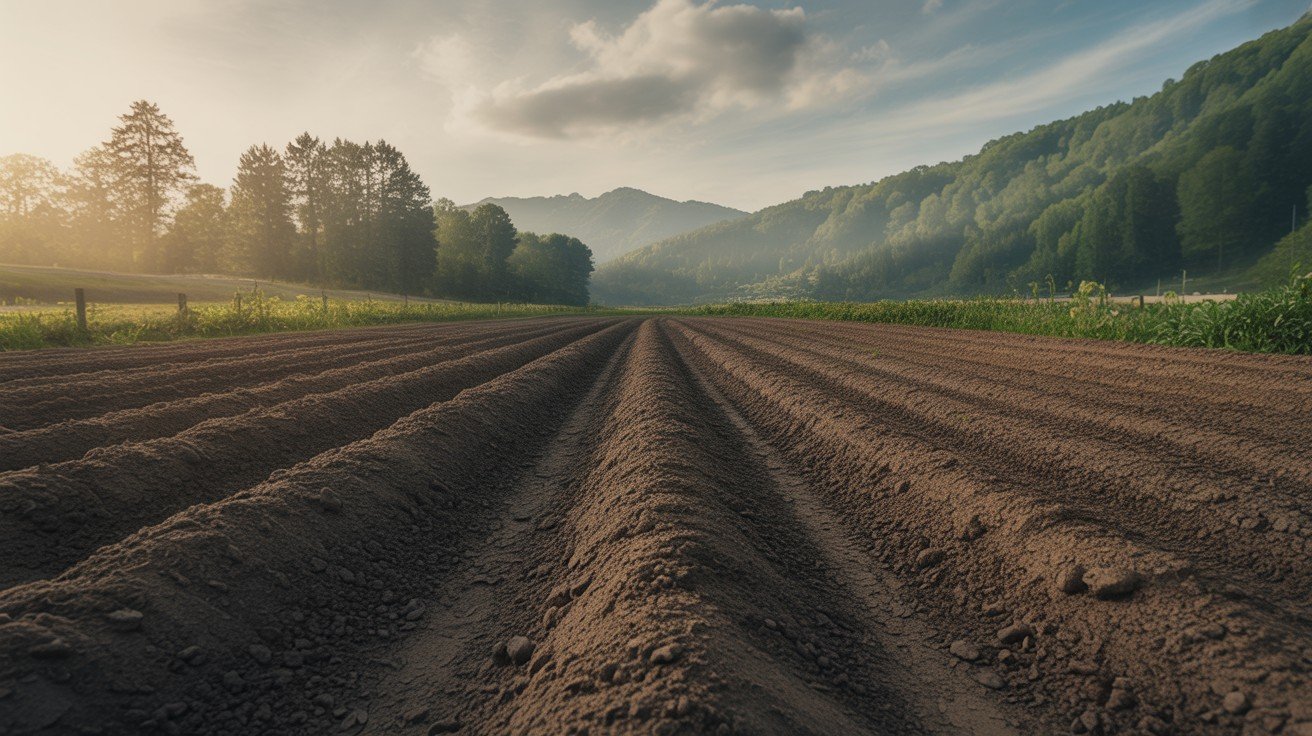
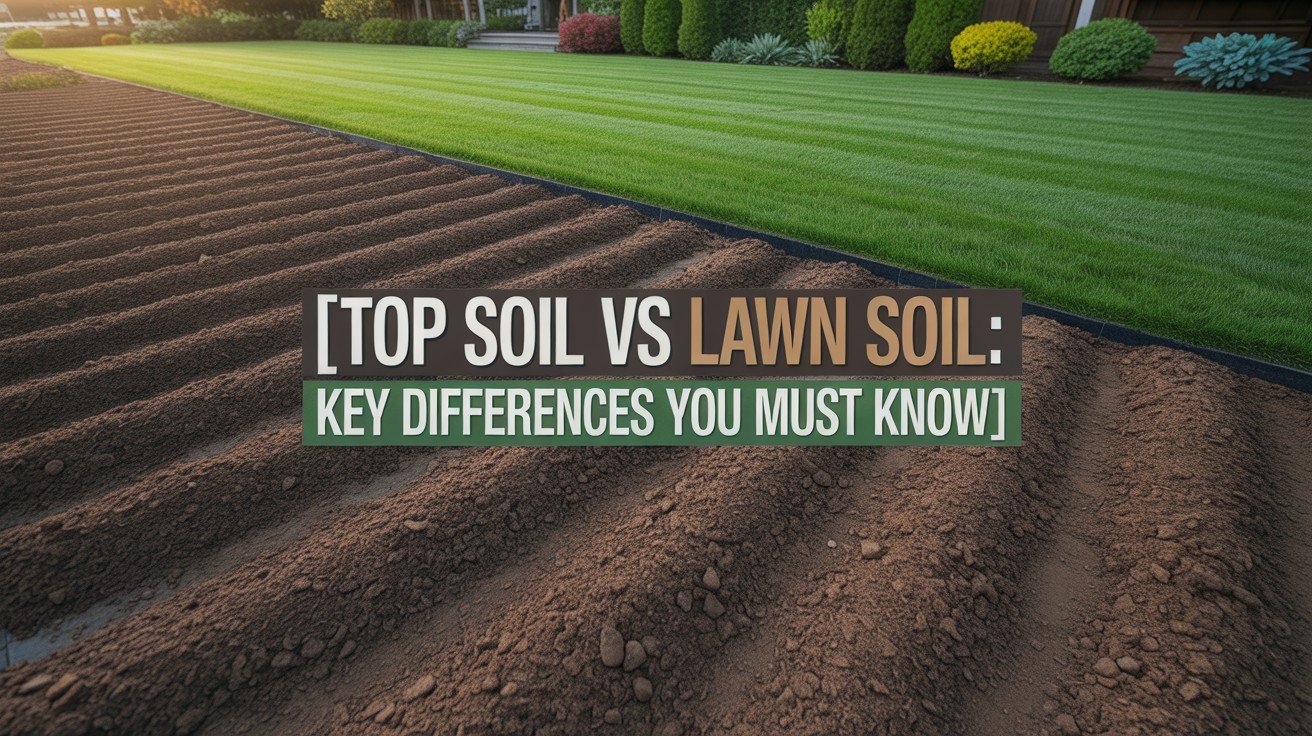
Topsoil is the natural earth layer where most plants grow. It’s what’s already under your feet in healthy ground. Understanding what topsoil actually is helps you know when to buy it and when to skip it.
Basic Definition
Topsoil is the top 2 to 8 inches of earth you find in nature. It’s composed of sand, silt, clay, and varying amounts of organic matter mixed over time.
This layer supports most biological soil activity and root development. Earthworms live here. Beneficial bacteria break down nutrients here. Plant roots spread through this layer to anchor and feed themselves. Without adequate topsoil depth, plants struggle to establish strong root systems.
Qualities People Care About
Topsoil has physical properties that matter for specific jobs. It holds structure well and retains moisture longer than compost. This makes it stable for building up garden beds or filling areas that need to stay level.
You can buy topsoil screened for a smooth, debris-free texture. Screened topsoil has rocks, sticks, and clumps removed so it spreads evenly. It’s also more affordable when you need volume because you’re buying bulk earth, not processed organic material.
Common Real-World Uses
People use topsoil for projects that need bulk material. Here’s what works:
- Levelling lawns that have dips and uneven spots
- Filling low spots where water pools after rain
- Base layer for raised beds to provide depth and structure
- Backfilling around new plants, trees, or construction
- Starting lawns or reseeding bare areas
- Bulk fill for new garden beds before adding amendments
These jobs need volume and structure more than they need nutrients.
When Community Members Say Topsoil Works Best
Experienced gardeners reach for topsoil in specific situations. When you need volume rather than nutrients, topsoil is the economical choice. A truckload of topsoil costs less than a truckload of compost.
When shaping or grading land, topsoil holds its form better than loose compost. When soil structure is missing or too shallow, adding topsoil gives roots room to grow. Compost alone won’t build that foundational layer your plants need.
What Is Compost?
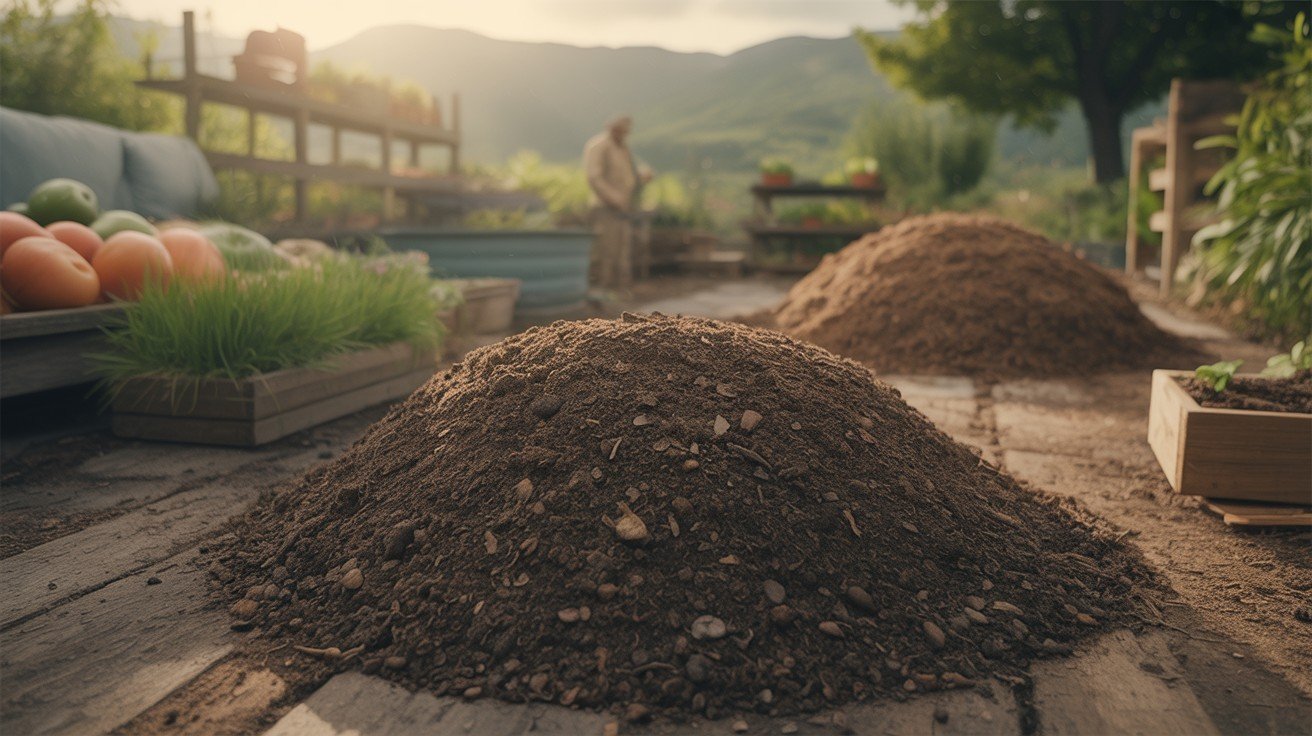
Compost is decomposed organic matter that feeds your soil. It’s nature’s fertiliser and soil conditioner combined. While topsoil provides structure, compost provides the nutrients and biology that make plants thrive.
Basic Definition
Compost is fully decomposed organic matter made from leaves, grass clippings, food waste, and manure. Time and microbes break down these materials into something completely different from what you started with.
The finished product is a dark, crumbly, and earthy-smelling material rich in nutrients. Good compost looks like rich chocolate cake crumbs and smells like forest floor. If it smells rotten or looks slimy, it’s not finished composting yet.
Key Benefits Gardeners Love
Compost does more for your garden than any other single amendment. Here’s why gardeners swear by it:
- Boosts microbial activity by feeding beneficial bacteria and fungi
- Improves drainage in clay soil and moisture retention in sandy soil
- Adds nitrogen, phosphorus, and potassium, plus trace minerals plants need
- Improves soil structure and aeration so roots can spread easily
- Builds long-term soil health instead of just feeding plants once
- Acts as mulch and reduces weeds when spread on top of the soil
These benefits stack up over time. One application helps, but regular compost use transforms poor soil into a plant paradise.
When Compost Is the Better Choice
Reach for compost when your soil needs improvement, not just bulk. If soil is depleted, sandy, clay-heavy, or compacted, compost fixes the underlying problems that topsoil can’t address.
When you want better fertility, root penetration, and microbial life, compost delivers all three. Use it when planting vegetables, shrubs, flowers, and herbs that need rich soil to produce well. It’s perfect for top-dressing lawns or raised beds to add nutrients without disturbing roots. Compost is essential for no-dig gardening approaches, where you build soil health by layering organic matter on top instead of tilling.
Topsoil vs Compost: Key Differences
Topsoil and compost look similar in bags at the store. But they work completely differently in your garden. Understanding these differences helps you pick the right material every time.
| Feature | Topsoil | Compost |
| Purpose | Provides structural foundation, depth and volume to build up planting areas or level ground | Acts as a nutrient-rich amendment to improve existing soil |
| Texture | Variable texture (loamy, sandy, or clay-heavy) depending on the source site | Crumbly texture with rich organic matter, soft and light, breaks apart easily |
| Nutrients | Moderate nutrients that vary by region, the quality is uncertain until tested or plants perform | Highly concentrated nutrients (nitrogen, phosphorus, potassium, trace minerals) with billions of beneficial microbes |
| Best Uses | Grading, filling, creating base layers, adding depth, fixing drainage slopes, and building up areas before planting | Mixed into soil to boost fertility, spread on beds, worked into poor soil, used as mulch to improve existing conditions |
| Drainage | Depends on composition (sandy drains too fast, clay holds too much water) | Improves both drainage and water retention regardless of soil type, and balances water-handling ability in both directions |
When to Use Topsoil vs Topsoil & Compost?
Choosing between topsoil alone or combined with compost depends on your project’s needs for structure versus fertility.
| Aspect | Topsoil Only | Topsoil & Compost Together |
| Best For | Projects where structure and volume matter more than nutrients | Projects needing both depth and fertility at the same time |
| Real-World Uses |
• Filling holes or dips in the lawn • Creating depth for new garden beds (6-12 inches) • Rebuilding eroded areas from slopes or heavy rain • Establishing a base layer for sod or seed |
• Building new raised beds from scratch • Creating planting areas where none existed • Filling large areas for immediate planting • Renovating old, shallow, depleted garden beds • Establishing new landscape beds |
| Mixing Ratios | N/A – Use pure topsoil | Standard mix: 1 part compost to 2–3 parts topsoil. Raised beds: 40% compost, 60% topsoil. Amending existing soil: 2–3 inches of compost per 6 inches of topsoil depth |
| Why It Works | Provides bulk material that holds its shape; compost would be expensive overkill and might cause settling or over-fertilising | Topsoil provides mineral foundation and structure, while compost adds organic matter, nutrients, and beneficial microbes — together they create stable, fertile soil |
| Best Timing | Early spring, when the ground has thawed but isn’t dried out — soil is workable and moist for smooth spreading and proper compacting | Year-round, but costs more upfront while creating ideal growing conditions for healthier plants and better yields |
Using Topsoil and Compost Together
The best gardens often use topsoil and compost as a team. Combining them gives you structure plus nutrients. This approach works for projects where you need depth and fertility at the same time.
Why Many Gardeners Prefer a Mix
Each material handles a different job. Topsoil offers structure while compost offers nutrients. You need both for plants to truly thrive long-term.
Together, they form a balanced, fertile medium that supports roots physically and feeds them nutritionally. The mineral particles in topsoil create a stable growing space. The organic matter in compost provides food for plants and soil biology. This combination creates better soil than either material can provide alone.
Recommended Ratios
Getting the proportions right makes all the difference. Here’s what works for different situations:
- A 1:1 mixture for raised beds and new garden plots gives equal parts structure and fertility
- Compost blended at a 25-30% ratio for soil enrichment when improving existing beds
- 1 to 2 inches of compost layer for top-dressing beds without disturbing plant roots
- 4 to 6 inches of topsoil for new lawns or beds to provide adequate root depth
Start with these ratios and adjust based on what you’re planting. Vegetables need more compost than lawns do. Heavy feeders like tomatoes thrive with higher compost percentages, while grass prefers more topsoil for stability.
Layering Method for No-Dig Gardens
No-dig gardening uses a different approach than mixing. Start with topsoil as your base layer to provide structure and depth where you’re building new beds.
Then layer compost on top, about 2 inches thick, without mixing the two materials. Over time, worms and soil biology will naturally blend the layers while you keep adding compost to the surface each season. This method builds soil health without disruption and works beautifully for established gardens.
Cost, Quality, and Practical Buying Tips
Buying soil materials requires more than just picking the cheapest option. Quality varies wildly, and price doesn’t always indicate value. Knowing what to look for saves you from expensive mistakes.
| Feature | Topsoil | Compost |
| Cost | Generally cheaper per yard because it’s basically screened dirt, paying for excavation and processing only | Cost varies based on source and screening quality — premium types (mushroom compost, worm castings, aged manure) command higher prices due to processing and nutrient profiles |
| Quality Checklist | Should be screened, free of debris, dark brown or black in colour — the squeeze test should hold together but crumble easily — avoid chunks of clay, visible rocks, or construction debris | Should pass through a 3/8-inch screen with no trash or large undecomposed chunks — should smell earthy (not sour or rotten) — avoid visible wood chips, plastic pieces, or weed seeds, indicating poor quality |
| Sustainability | Often mined from farmland or construction sites — removing topsoil from one location degrades land and isn’t sustainable long-term — it consumes finite resources | Reduces waste by diverting organic material from landfills — creates a renewable resource — each application builds soil instead of depleting it — supports a closed-loop system that improves year after year |
Mistakes Gardeners Commonly Make (Community Insights)
Gardening forums are full of stories about failed projects. Most mistakes come from using the right material in the wrong situation. Learning from other people’s errors saves you time, money, and dead plants.
Common Errors
These mistakes show up repeatedly in community gardening discussions:
- Using compost as the only fill material creates beds that are too loose and collapse over time
- Using topsoil to fix nutrient problems wastes money because topsoil doesn’t add meaningful fertility
- Overfilling beds with compost causes major sinking as organic matter breaks down and compacts
- Using topsoil in containers instead of potting mix creates drainage problems because topsoil is too heavy for pots
Each mistake stems from not understanding what these materials actually do. Compost isn’t a substitute for topsoil, and topsoil isn’t a substitute for compost. They have different jobs, and trying to make one do the work of the other leads to failure.
How to Avoid Them?
- Check what your garden needs, whether structure improvement or nutrient support, before choosing any soil product.
- Decide whether you are adding depth or feeding plants, so you select the right materials.
- Follow proper depth and ratio guidelines instead of guessing, as incorrect proportions can create issues.
- Avoid using topsoil or pure compost in containers because they compact and drain poorly.
- Choose potting mixes for container plants since they stay loose and provide good drainage.
Conclusion
Now you understand topsoil vs compost and when each one makes sense. Topsoil gives your garden structure and depth, which is helpful when building beds or filling low areas. Compost improves the soil by adding nutrients and supporting healthy growth. Most gardens do best when both are used in the right mix.
You now have the information to make clear choices. No more confusion at the store or spending money on the wrong product. Use topsoil when you need volume and support for roots. Use compost when your soil needs better nutrition and texture. Mixing them often gives the best results.
Your garden will benefit from choosing the right material for the job. If you have questions about your own project, feel free to ask. I am happy to help you sort out the right approach.
Frequently Asked Questions
Can I use compost instead of topsoil?
No, compost alone is too loose and lacks the mineral structure needed for root support. It works as a nutrient amendment but can’t replace topsoil for building depth or filling areas. Use compost mixed with topsoil at a 1:2 or 1:3 ratio for best results.
Is topsoil or compost better for vegetable gardens?
Use both together. Topsoil provides structure and depth, while compost adds nutrients vegetables need. Mix them at a 1:1 ratio for raised beds, or add 2 to 3 inches of compost to existing topsoil beds before planting vegetables each season.
Can I use topsoil in pots?
No, topsoil is too heavy for containers and causes drainage problems. Use a potting mix designed specifically for containers instead. Potting mix stays loose, drains properly, and provides the right structure for plant roots growing in confined spaces.
How much does topsoil vs compost cost?
Topsoil costs less per cubic yard, typically half the price of compost. Topsoil runs around $15 to $30 per yard while compost costs $30 to $60 per yard, depending on quality and source. Buy in bulk for better pricing on large projects.
Does compost turn into topsoil?
No, compost and topsoil are fundamentally different. Compost is decomposed organic matter rich in nutrients. Topsoil is mineral earth containing sand, silt, and clay. Over many years, compost breaks down further and integrates with the soil, but it doesn’t become topsoil.