

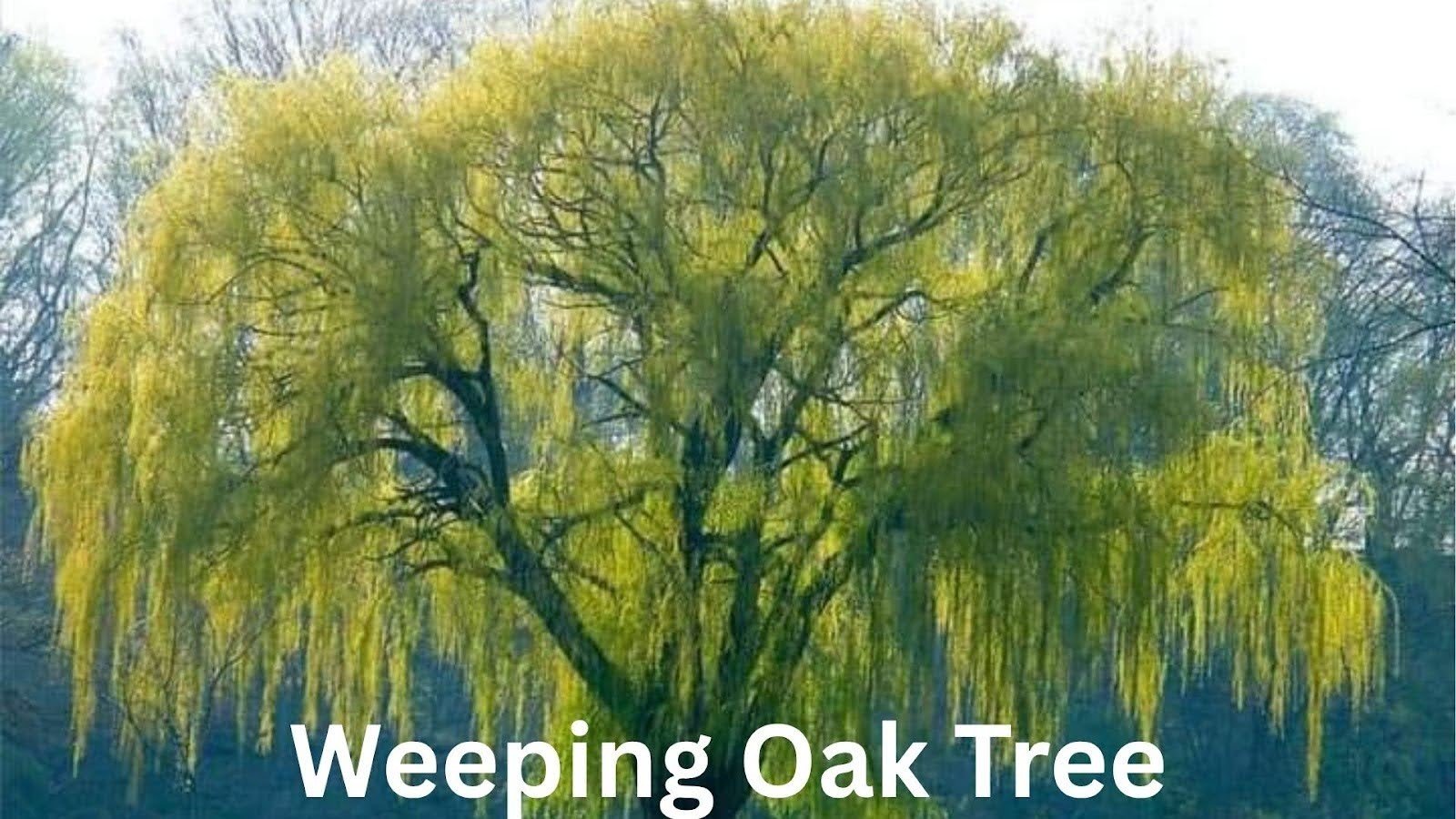
Have you ever come across a tree that seems to be extending its arm downwards to give the earth a warm embrace? That’s exactly how a weeping oak looks. These quirky trees are characterized by their hanging branches.
If you are after a tree that is visually striking and also a great provider of shade, then the weeping oak tree might just be the one for your place. It is a combination of the strength and dependability of regular oak trees.
This guide is all about weeping oak trees, starting with what makes them unique and ending with how you can raise them and take your plants. It is a pleasure to start with understanding such marvelous trees and realizing the potential they have in the beautification of your open spaces.
What Is a Weeping Oak Tree?
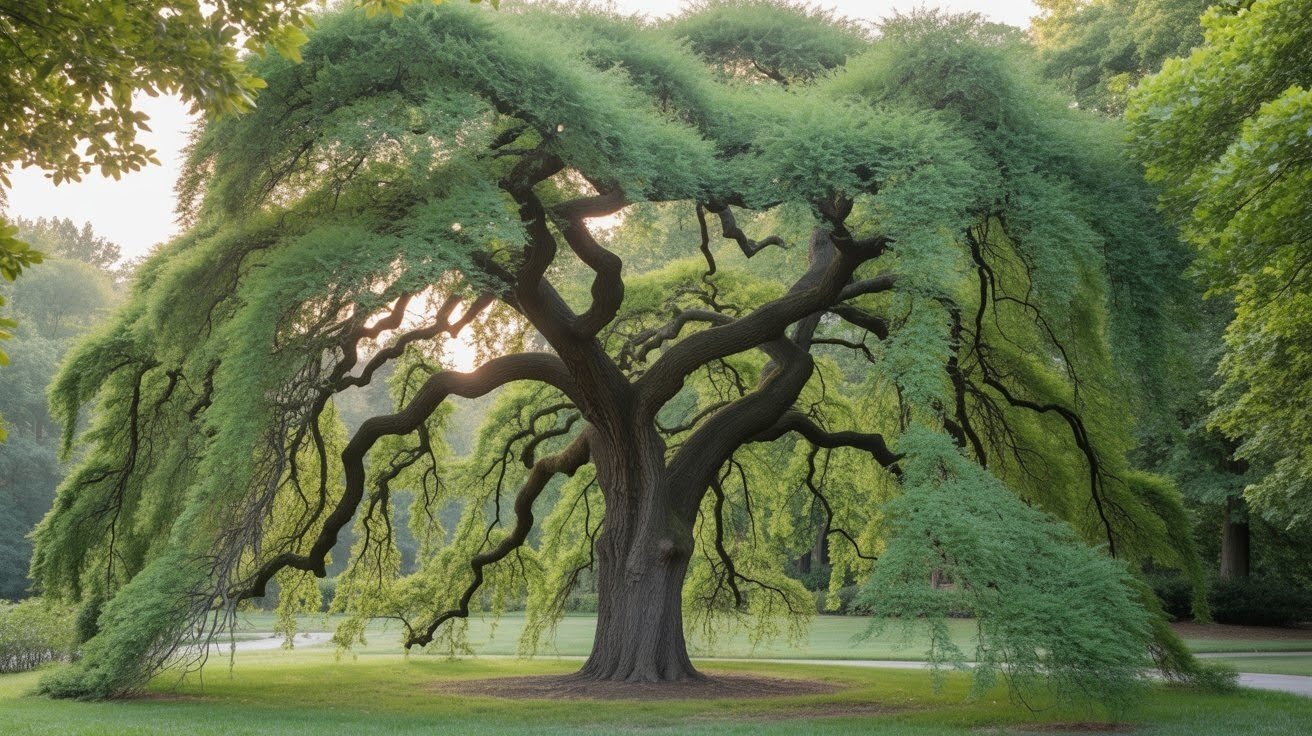
A weeping oak tree is a special type of oak that grows differently from regular oak trees. Instead of branches that reach up toward the sky, this tree has branches that bend and hang downward. This creates a flowing, gentle appearance that makes your yard look peaceful and inviting.
These trees belong to the oak family, which means they’re strong and can live for many years. The weeping oak tree keeps all the good qualities of regular oak, strong wood, and deep roots, but adds something extra with its unique shape.
Many homeowners and gardeners choose weeping oaks because they’re different from typical trees. They add character to your property and become a talking point for visitors. Plus, they’re easier to maintain than you might think once they’re fully grown.
Why Choose a Weeping Oak?
Choosing the right tree for your property is an important decision, and weeping oaks offer benefits that few other trees can match. These trees work well in many different settings, from small residential yards to large parks. They serve both practical and visual purposes, making them a smart investment for anyone who wants to improve their outdoor space.
Aesthetic Appeal
A weeping oak tree creates a soft, flowing look that makes any garden or yard feel more complete. The drooping branches form natural curves that draw your eye and create visual interest from every angle.
These trees work great as focal points because they’re so different from other plants and trees around them. You can place one near a seating area, beside a pond, or in the center of your yard to create a gathering spot.
The calming presence of a weeping oak tree can change the whole feel of your property. The gentle movement of the branches in the breeze creates a peaceful atmosphere. Many people find that sitting near one of these trees helps them relax after a busy day.
Functional Benefits
Beyond looking great, a weeping oak tree provides practical benefits that make it worth planting. The thick canopy creates excellent shade coverage, which can help lower your cooling costs in summer.
Wildlife loves weeping oaks just as much as traditional oak trees. Birds build nests in the branches, and squirrels enjoy the acorns. Insects that benefit your garden ecosystem also make homes in and around the tree.
If you live in a city or near busy streets, a weeping oak tree can help reduce noise pollution. The dense branches and leaves absorb sound, making your yard quieter and more peaceful. These trees also improve air quality by filtering dust and pollutants.
Landscape Value
A weeping oak tree gives you something beautiful to look at during every season. In spring, new leaves emerge in bright green. Summer brings full, lush foliage perfect for shade. Fall transforms the leaves into warm browns and golds.
These trees fit into many different garden styles. You can use them in formal landscapes, cottage gardens, or natural woodland settings. They look good standing alone or planted with other trees and shrubs.
Once a weeping oak tree is established and growing well, it doesn’t need much attention. You won’t spend every weekend caring for it like you might with fussier plants. The tree takes care of itself mostly, which means more time for you to enjoy your yard. Plus.
Types of Weeping Oak Trees
Not all weeping oak trees are the same. Different varieties offer slightly different looks and growing habits. Understanding these differences helps you choose the best one for your specific needs and growing conditions. Each type has its own special qualities that might make it the perfect fit for your landscape.
Quercus robur ‘Pendula’
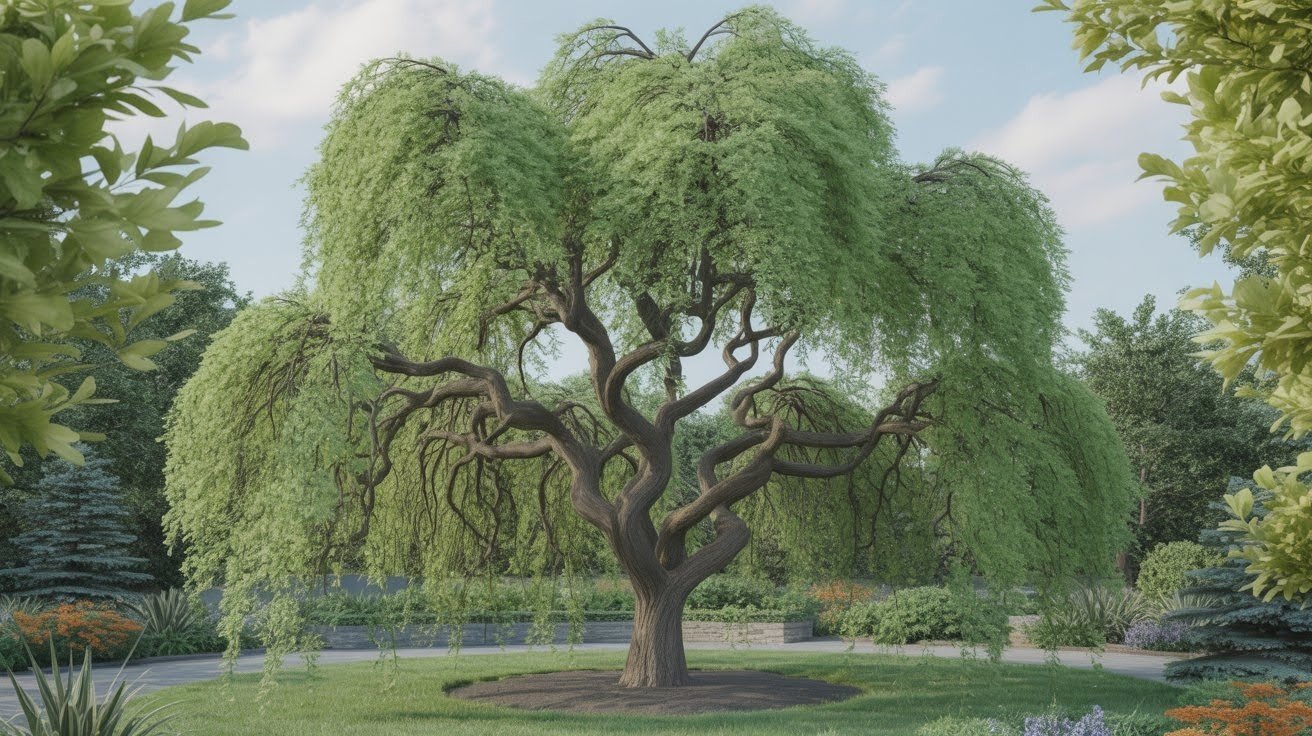
This is the most common type of weeping oak tree you’ll find at nurseries and garden centers. It comes from the English oak family and has been popular in gardens for many years. People love it because it’s reliable and grows predictably.
The branches of Quercus robur ‘Pendula’ hang down in smooth, classic curves. They’re not too dramatic, just graceful and pleasing to look at. This variety typically grows to a medium height with a wide spread, making it suitable for average-sized yards.
This variety is also one of the easier types to find and purchase. Most tree nurseries that carry specialty trees will have this one in stock or can order it for you. It adapts well to different soil types and climates, which is why it’s become so popular.
Quercus alba ‘Weeping’
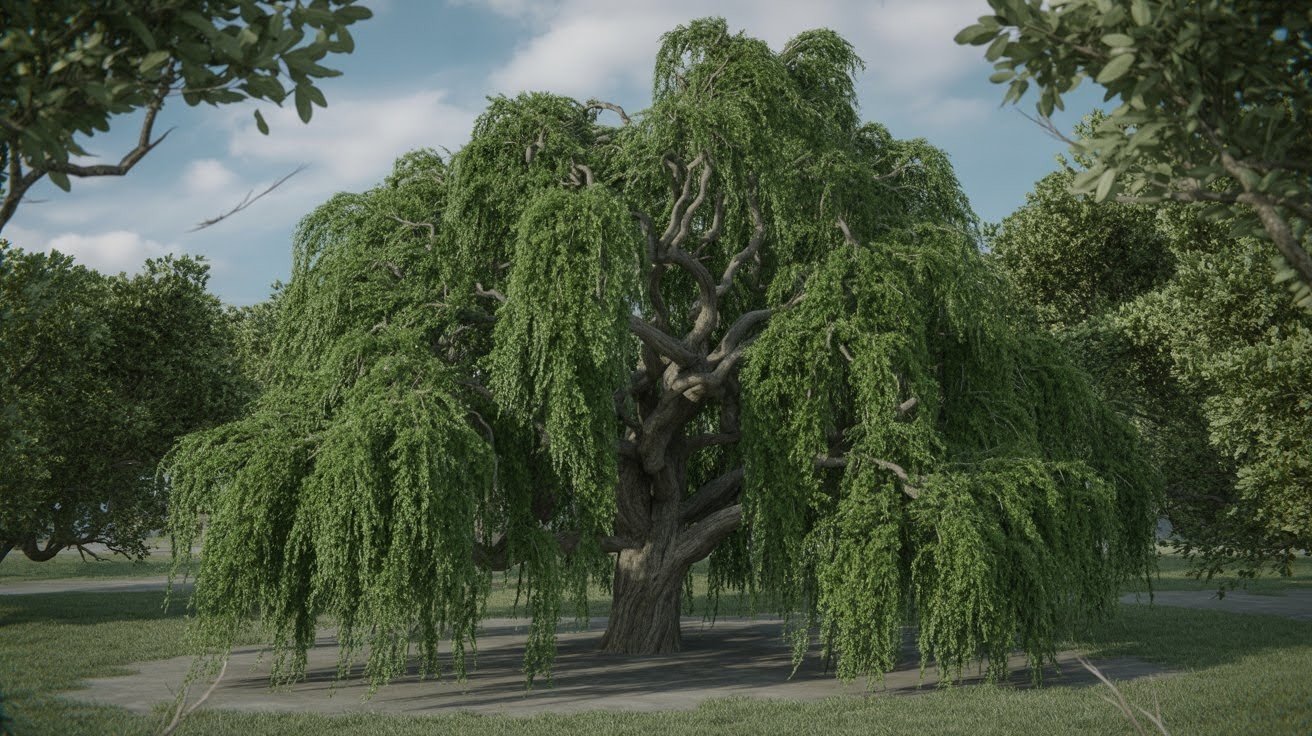
If you want something more dramatic, Quercus alba ‘Weeping’ might be the right choice. This variety is harder to find than the common Pendula, but it makes a bigger statement. The branches droop more heavily, almost like a curtain falling around the trunk.
The lower-hanging branches of this variety create more of an enclosed space underneath the tree. Some people describe it as walking into a natural room when you step under the canopy. This makes it perfect if you want to create a hidden seating area.
Because this variety is less common, you might need to special-order it from a nursery or find a specialty grower. The wait and extra effort are worth it if you want a truly eye-catching statement tree.
Quercus macrocarpa ‘Weeping’
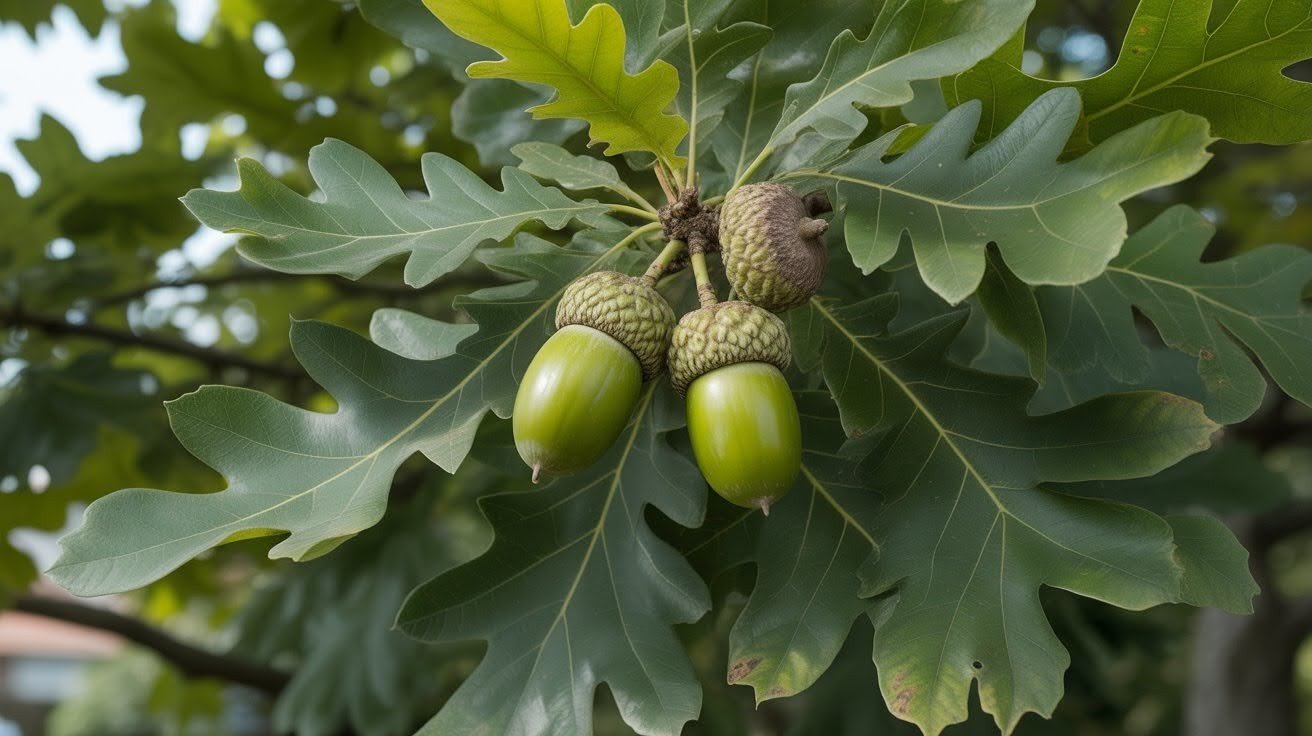
Quercus macrocarpa ‘Weeping’ comes from the bur oak family, and it brings some unique features. The most noticeable difference is the larger acorns this tree produces. These acorns have distinctive fringed caps that make them look different from regular oak acorns.
This variety also tends to have a broader canopy than other weeping oaks. If you’re looking for maximum shade coverage, this might be your best option. The branches spread wide before they droop down, creating an expansive umbrella effect.
The leaves of Quercus macrocarpa ‘Weeping’ are also larger and have deeper lobes than other varieties. This gives the tree a bolder, more textured appearance. If you have a large property and want to make a big impact, consider this variety.
Quercus palustris ‘Pendula’
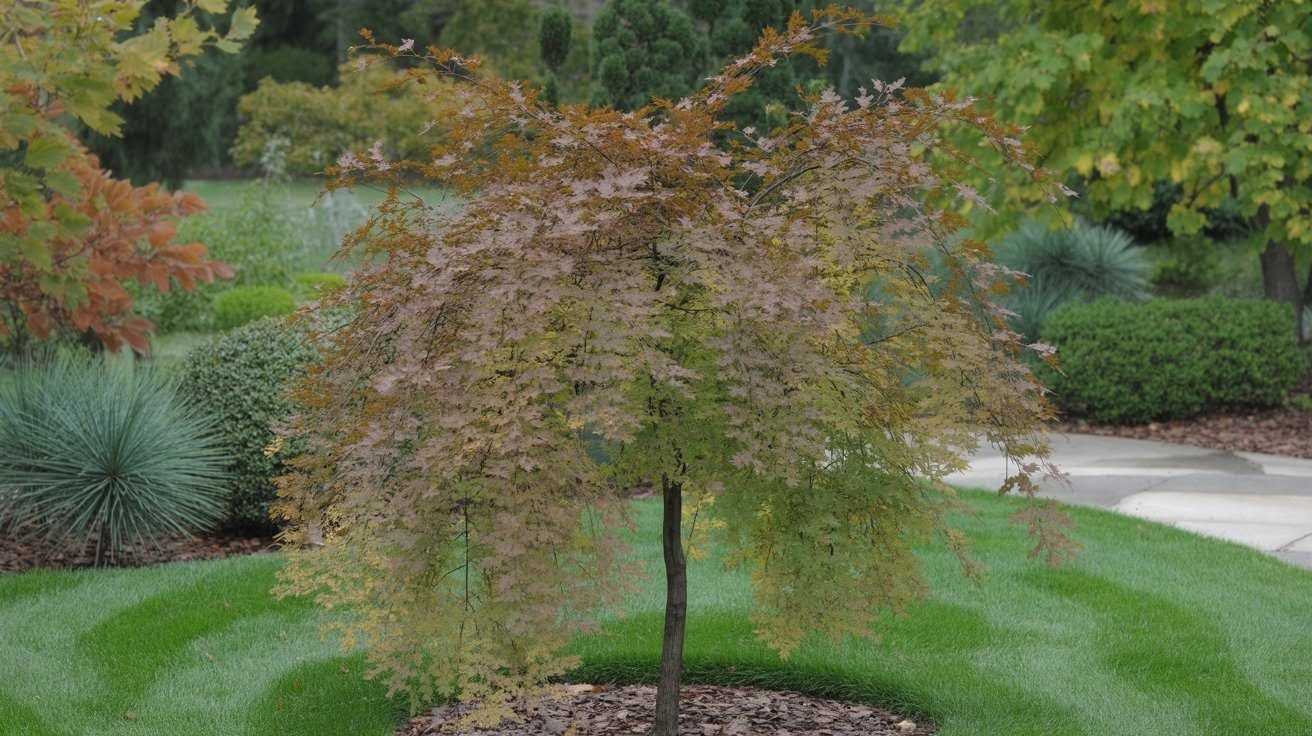
Pin oak weeping varieties offer a finer texture compared to other types. The leaves are smaller and more deeply cut, creating a lacy appearance. This variety grows well in wetter soil conditions.
The branching structure of this type is more delicate-looking, though the tree is still quite strong. The smaller leaves and thinner branches create a softer visual effect. This works well in smaller gardens where a massive tree might overwhelm the space.
Pin oak weeping varieties also tend to have better fall color than some other types. The leaves turn a rich red or bronze before dropping. If you want a tree that really shines in autumn, this variety deserves consideration.
Quercus phellos ‘Weeping’
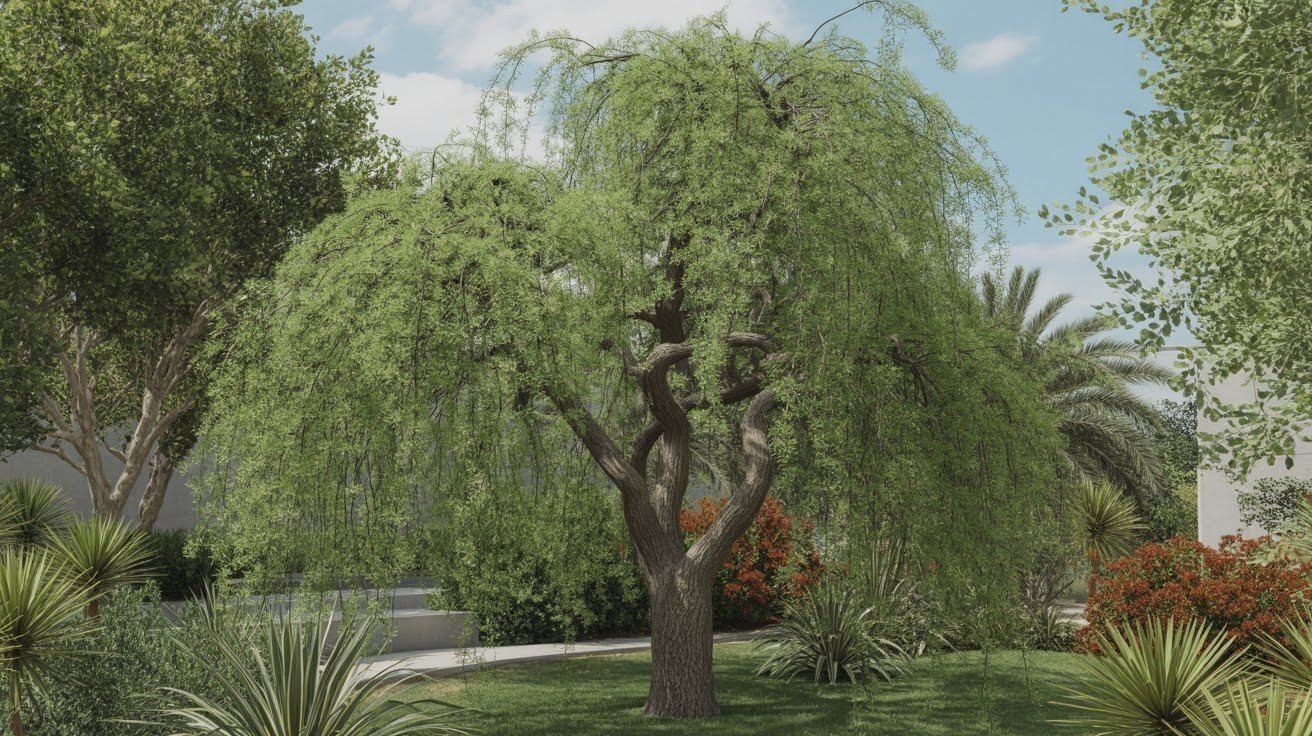
Willow oak weeping varieties have the most unusual leaves of all the weeping oaks. Instead of the typical lobed oak leaf, they have narrow, willow-like leaves that are smooth on the edges. This gives the tree a completely different look.
The fine-textured foliage creates a light, airy feeling even though the tree provides good shade. The drooping branches covered in these narrow leaves sway beautifully in the breeze. This movement adds a dynamic quality.
This variety grows well in warm climates and tolerates heat better than some other weeping oaks. If you live in a southern region or an area with hot summers, this might be the most successful option for you.
Characteristics Of the Weeping Oak Tree
The weeping oak tree is one of those statement trees that instantly adds grace and drama to your yard. Its cascading branches and sturdy trunk make it both elegant and enduring – perfect if you want a tree that feels timeless and personal in your landscape. Here’s what makes it special:
- Graceful, Cascading Branches: The signature drooping branches create a soft, romantic look that stands out in any garden. Every breeze makes the tree come alive, adding gentle motion and texture to your outdoor space.
- Strong and Long-Lived: Weeping oaks are known for their strength and longevity. Once established, they can thrive for decades, becoming a lasting part of your home’s story, something you can literally watch grow over the years.
- Loves Full Sunlight: Plant your weeping oak where it can soak up plenty of sun. It flourishes best in open spaces where the light can reach its wide canopy, creating a stunning silhouette against the sky.
- Seasonal Beauty Year-Round: From fresh green spring leaves to golden-brown fall foliage, the weeping oak changes beautifully with each season. It keeps your yard visually interesting, no matter the time of year.
- Low Maintenance Once Mature: After the first few years of care, this tree requires minimal attention to maintain its appearance. Occasional pruning keeps its shape tidy, but otherwise, it rewards minimal effort with maximum impact, perfect for a homeowner who loves beauty without constant upkeep.
Seasonal Maintenance Tips for Weeping Oak Tree
Taking care of your weeping oak tree throughout the year doesn’t have to be complicated. Each season brings different tasks, but most are simple and quick. Understanding what your tree needs during each part of the year helps you maintain its health.
- Winter Let It Rest Naturally: During winter, your weeping oak takes a well-deserved break. I usually keep watering to a minimum and only add water if the soil stays dry for weeks. After snow or ice, I gently check the hanging branches they can get weighed down easily.
- Springtime for Renewal and Growth: Spring is when I give my tree the most attention. I start watering regularly once new buds appear and prune any dead or oddly growing branches.
- Summer Keep It Cool and Hydrated: When the heat sets in, I make sure my weeping oak gets plenty of water, especially during dry spells. A layer of mulch around the base helps the soil hold moisture and keeps roots cool.
- Fall Prepare for Resting Season: As the leaves turn golden and start to drop, I reduce watering gradually. I like to rake up fallen leaves to keep things tidy and prevent any hidden pests from settling in.
- Late Fall Give a Gentle Boost: If a soil test shows the tree needs nutrients, I apply a slow-release fertilizer before winter sets in. This way, the nutrients are ready when spring returns, giving my oak a strong start for the next growing season.
Avoid Common Problems and Solutions
Even healthy weeping oak trees can face challenges from time to time. Knowing what to watch for helps you spot problems early when they’re easier to fix.
- Oak Bracket Fungus: This fungal disease appears as shelf-like growths on the trunk or major branches. The fungus causes white rot inside the tree, weakening the wood structure. If you notice these fungal conks, contact a certified arborist immediately.
- Aphid Infestations: These small, soft-bodied insects cluster on new growth and leaf undersides. They suck sap from the tree and leave behind sticky honeydew. While aphids rarely kill a tree, heavy infestations can weaken it and attract other problems.
- Caterpillar Damage: Various caterpillar species feed on oak leaves during spring and summer. Light feeding is normal and won’t harm your tree. However, severe defoliation can stress the tree, especially if it happens repeatedly.
- Drought Stress: Extended dry periods without adequate watering cause leaves to wilt, brown, or drop prematurely. The tree may also stop growing or develop brittle branches. Prevent drought stress by maintaining a regular watering schedule during dry weather.
- Root Health Problems: Poor drainage, compacted soil, or damage from construction can compromise root health. Warning signs include yellowing leaves, stunted growth, or branches dying back. Improve drainage if water pools around your tree.
Conclusion
Weeping oak trees bring charm and shade to any yard. Their drooping branches create a calm and inviting space. These trees combine the strength of regular oaks with a unique, graceful shape.
Choosing the right variety for your climate is the first step to success. Pay attention to soil, sunlight, and space. Seasonal care is simple if you follow basic watering, pruning, and maintenance routines. Winter dormancy, spring growth, summer watering, and fall preparation all help keep your tree healthy.
Weeping oaks also support wildlife, provide shade, and add lasting beauty. With patience and care, your tree will grow steadily and become a central feature of your garden. Planting one is a rewarding way to enhance your outdoor space for years to come.
Frequently Asked Questions
How fast does a weeping oak tree grow?
Weeping oak trees grow slowly to moderately, typically adding 12-24 inches per year once established. Growth rate depends on soil quality, water availability, and climate conditions. Younger trees grow faster than mature ones.
Can weeping oak trees survive in small yards?
While weeping oaks need space for their spreading canopy, smaller varieties can work in modest yards. Choose a variety appropriate for your space and plant at least 15 feet from structures. Consider the mature size before planting.
When is the best time to plant a weeping oak tree?
Early spring or fall is the best planting time for weeping oak trees. These seasons have mild temperatures and adequate rainfall, helping roots establish before extreme weather arrives. Avoid planting during summer heat or when the ground is frozen.
Do weeping oak trees need special pruning techniques?
Weeping oaks need minimal pruning beyond removing dead or damaged branches. Prune in late winter or early spring before new growth starts. Maintain the natural weeping form by trimming lightly. Avoid heavy pruning, which can damage the tree’s shape.
What wildlife benefits from weeping oak trees?
Birds nest in the branches and eat insects found on the tree. Squirrels and other small mammals consume the acorns. Beneficial insects like bees and butterflies visit the tree. The dense canopy provides shelter for various species.