
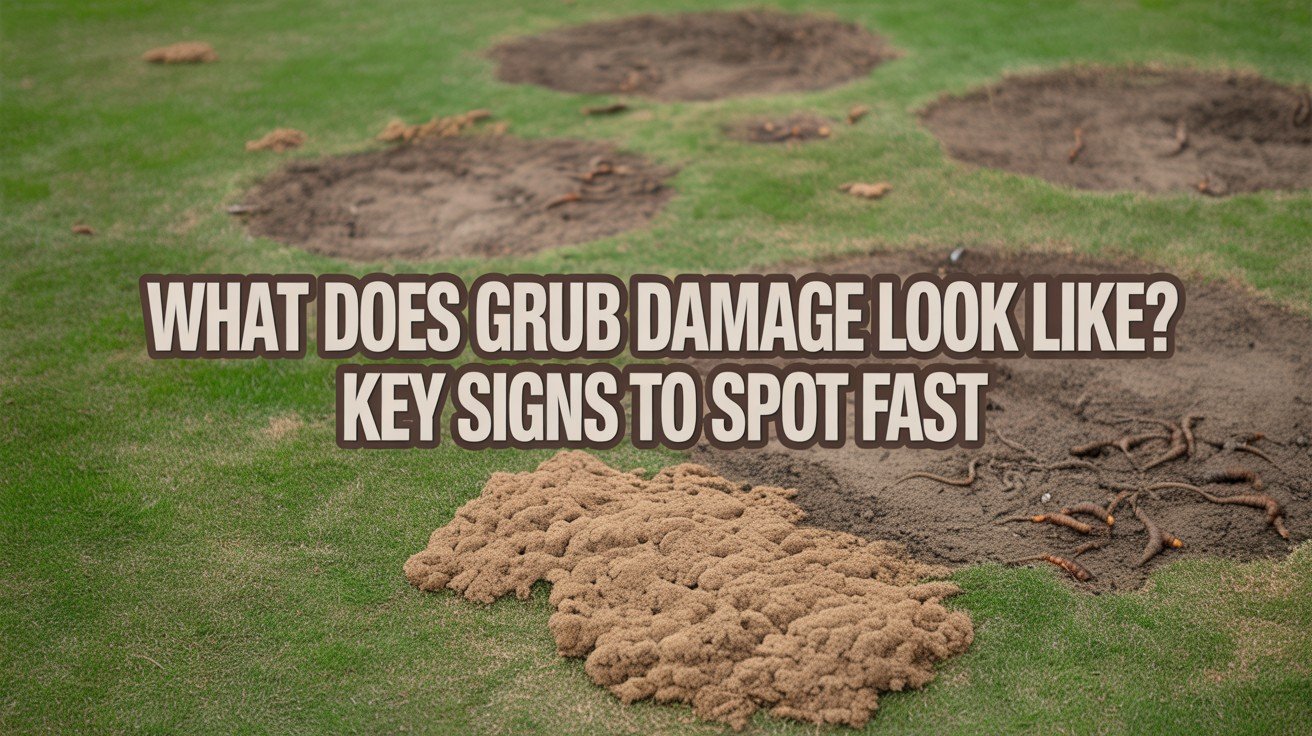
Your lawn looks rough, and you are not sure why. Brown spots keep spreading, and the ground feels soft when you walk on it. That usually means something under the soil is causing trouble.
Grubs could be the reason. These beetle larvae stay in the soil and feed on grass roots, which leads to weak turf and dead areas. If the problem grows, animals may tear up the lawn while searching for them, and repairs can get costly.
The challenge is that grub damage looks similar to drought, fungus, overwatering, or even herbicide issues. This guide shows the clear signs to look for, how to check the soil, and what steps to take next. By the end, you will know if grubs are harming your lawn and how to stop the problem.
What Does Grub Damage Look Like? The Key Visual Signs
Grub damage has specific patterns. Once you know what to look for, it’s easy to spot.
Patches of Yellow or Brown Grass
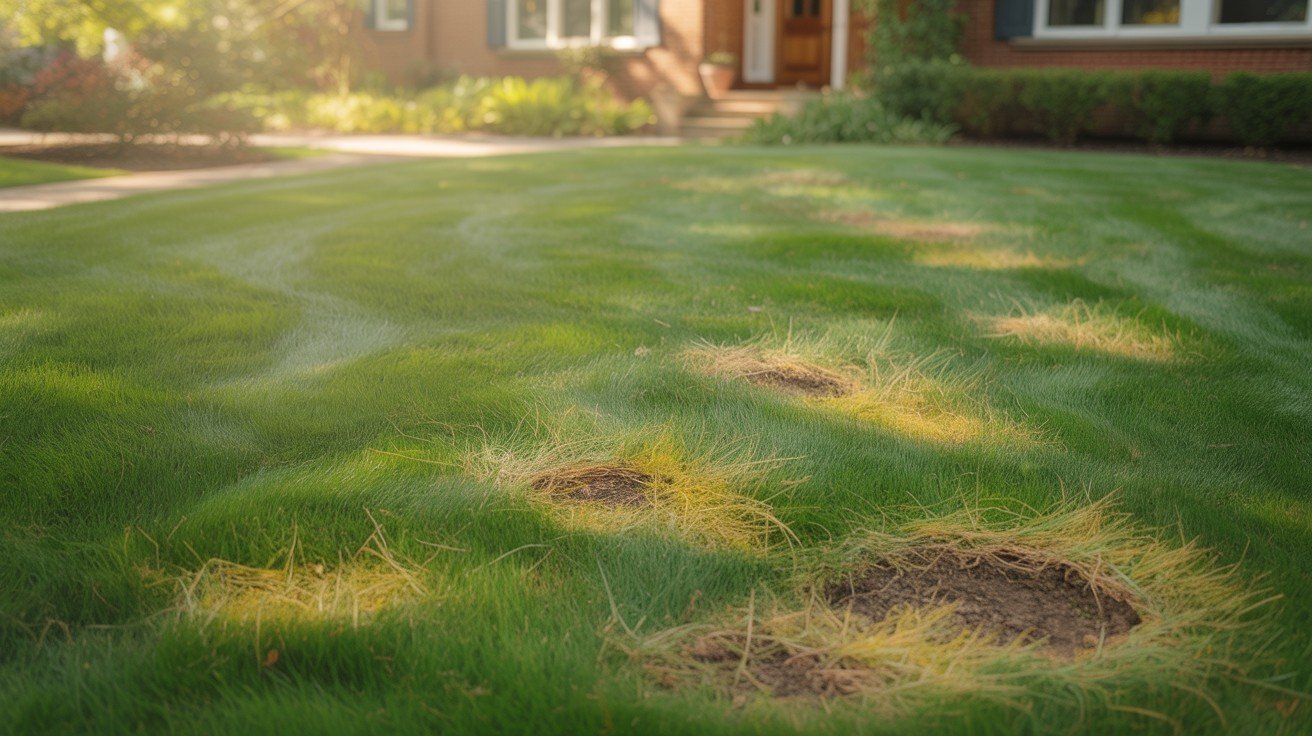
The discoloration shows up in irregular shapes. It’s not uniform like drought stress.
You’ll notice these patches most in late summer through early fall. That’s when grubs feed the hardest. Your grass looks sick even though you’re watering properly:
- Yellow or brown irregular patches
- Wilted appearance despite moisture
- Spreads gradually over weeks
This isn’t normal summer dormancy. The grass is dying because roots are being eaten from below. Water won’t fix it.
Turf That Lifts Like a Carpet
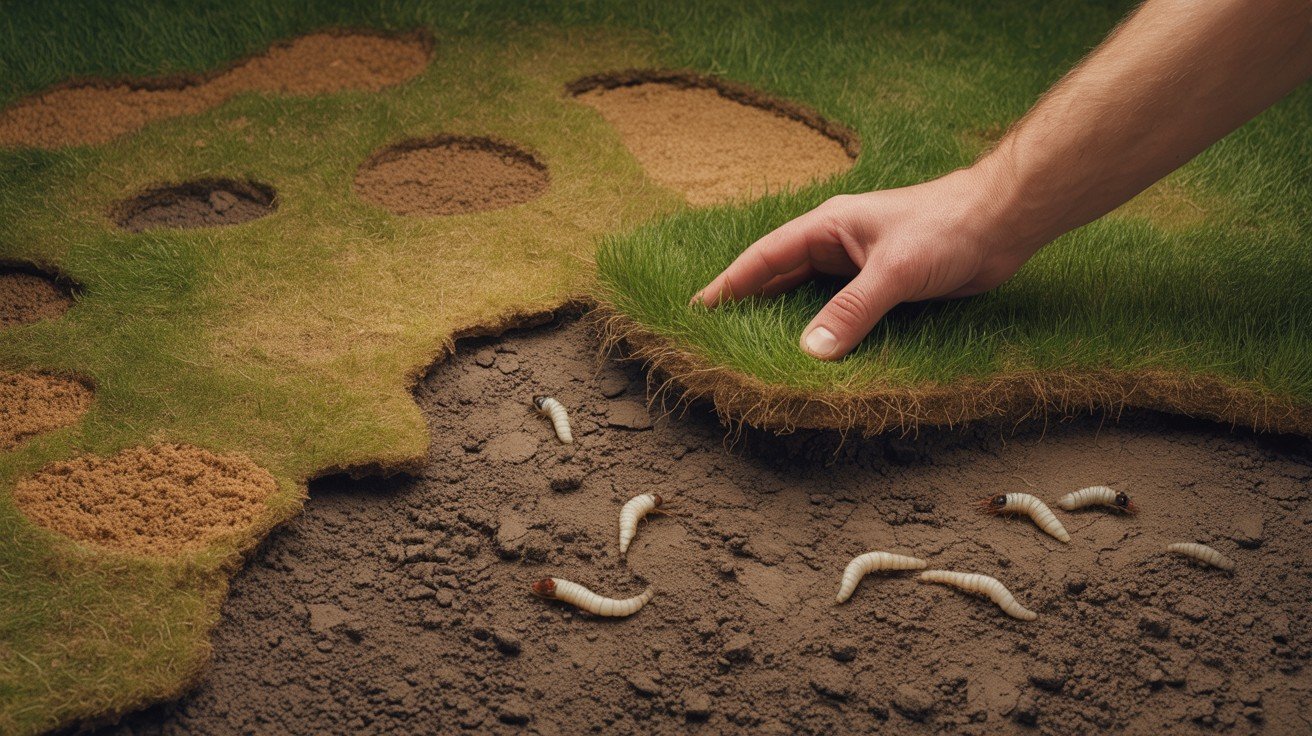
This is the smoking gun. No other problem does this.
Walk over to a brown patch and grab the grass. Pull gently. If it rolls up like carpet, you have grubs. The roots are gone, so nothing holds the turf down:
- Grass peels away easily
- Feels like lifting sod
- White C-shaped grubs are visible in the soil underneath
I always check this first. Grab a corner and tug. Healthy grass resists. Grub-damaged grass lifts right off with almost no effort.
Thinning or Bare Spots
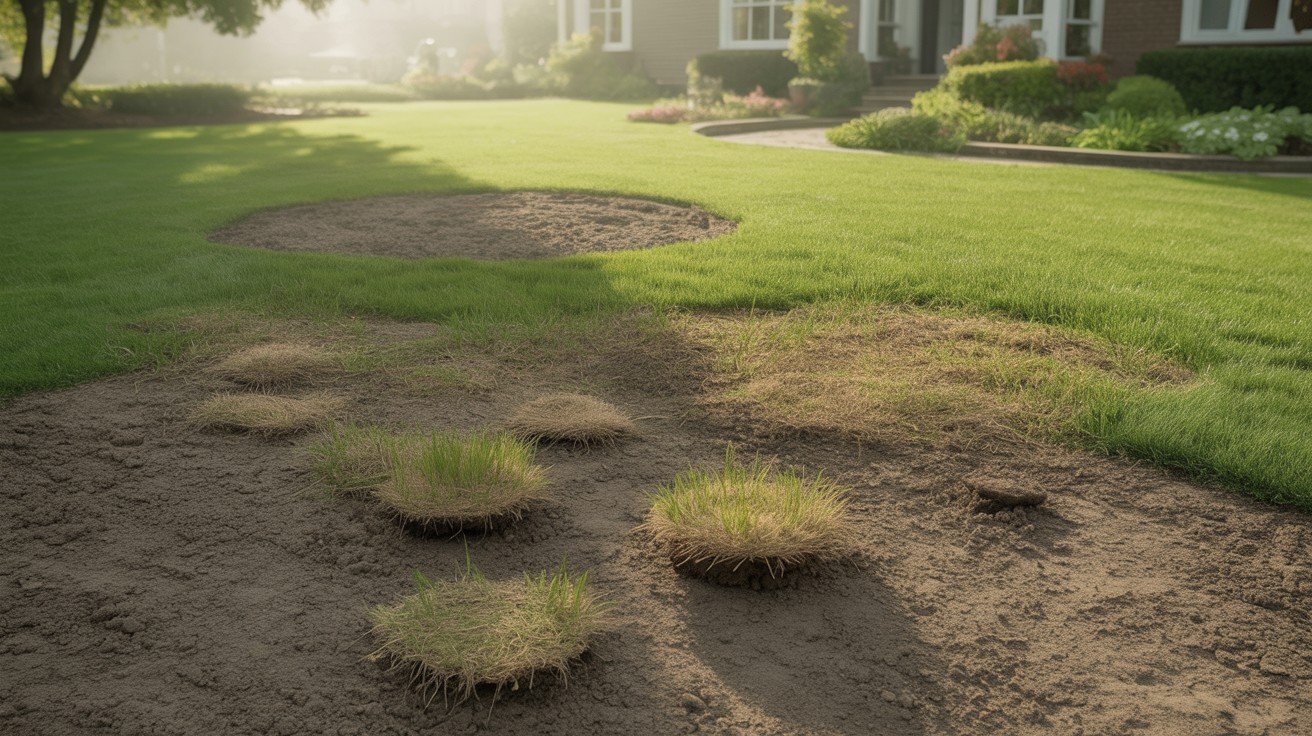
Grass doesn’t disappear overnight with grubs. It thins slowly as roots get eaten away.
You’ll see a gradual decline in density. Bare spots start small and grow outward. This is different from disease, which creates defined circles:
- Slow, progressive thinning
- Patches expand over time
- Not isolated, spreads to surrounding areas
Watch how the damage moves. Grub damage creeps outward as larvae eat their way through your lawn. Disease stays put or jumps to new spots randomly.
Spongy or Loose Ground
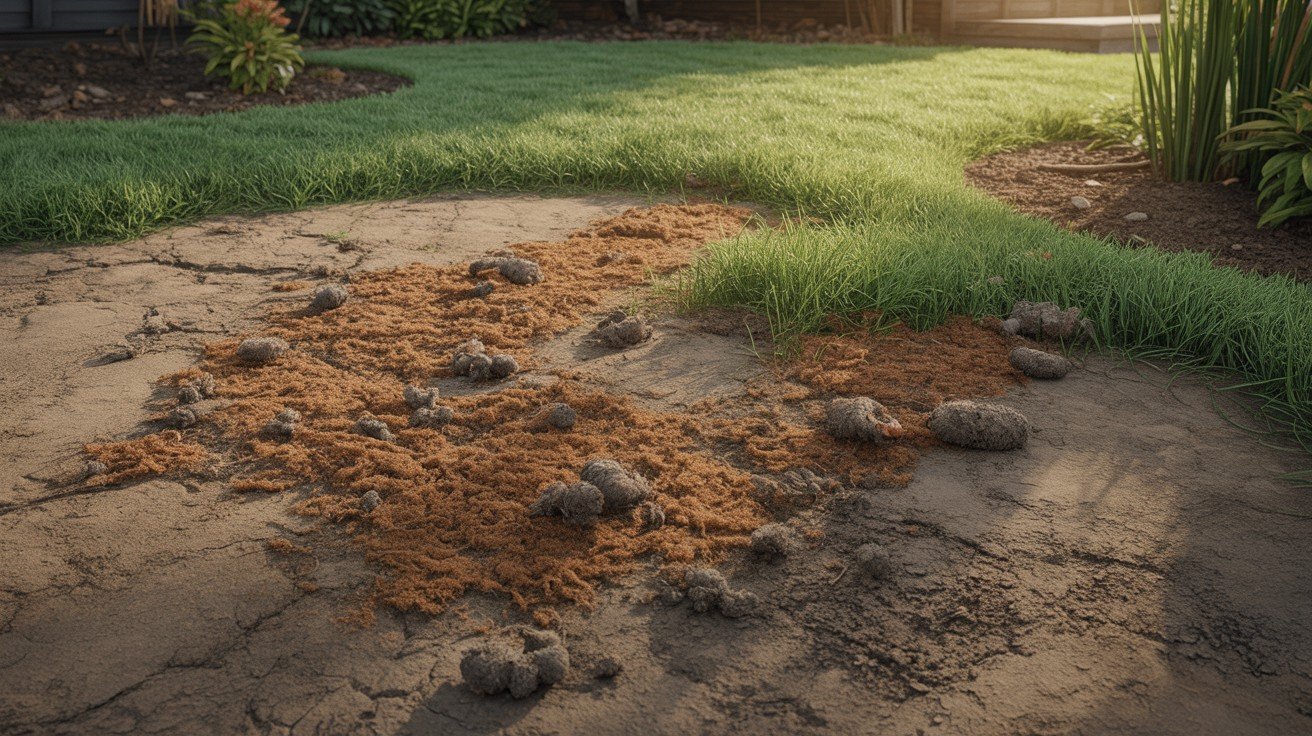
Your lawn feels weird when you walk on it. The ground bounces or gives way under your feet.
This happens because roots create soil structure. When grubs eat the roots, that structure collapses. The soil feels soft and unstable:
- Bouncy, spongy feel underfoot
- Loose soil that shifts easily
- Similar to overwatered ground
But here’s the difference: the soil isn’t wet. Overwatering creates mud. Grub damage creates loose, dry soil that feels unstable. Check the moisture level to tell them apart.
What do Grubs Themselves Look Like?
Knowing what grubs look like confirms your diagnosis. Let me show you exactly what to find in the soil.
Physical Traits
Grubs are easy to identify once you see them. They have a distinct appearance that’s hard to confuse with anything else.
Dig down about 2,3 inches into a damaged area. Look for white or grayish worm-like creatures curled into a C shape:
- C-shaped body position
- White or cream colored
- Brown head capsule
- Soft, plump body
- Three pairs of legs near the head
The C shape is the giveaway. Other soil insects don’t curl this way. If you find white, C-shaped larvae with legs up front, you’ve got grubs.
How Many Grubs: A Problem
A few grubs won’t hurt your lawn. But numbers matter a lot.
Count how many grubs you find per square foot of soil. Use a shovel to cut out a 1-foot by 1-foot section about 3 inches deep. Count every grub you see:
- 1-5 grubs = no action needed
- 6-10 grubs = visible damage likely
- 10+ grubs = serious problem
More than 10 grubs per square foot means rapid decline. Your grass can’t grow roots fast enough to replace what’s being eaten. At this level, you need treatment immediately, or you’ll lose large sections of lawn.
Early Signs of Grub Damage You Might Miss
Grubs start small and are easy to overlook. These early warnings help you catch problems before major damage happens.
1. Grass That Stays Wilted Despite Watering
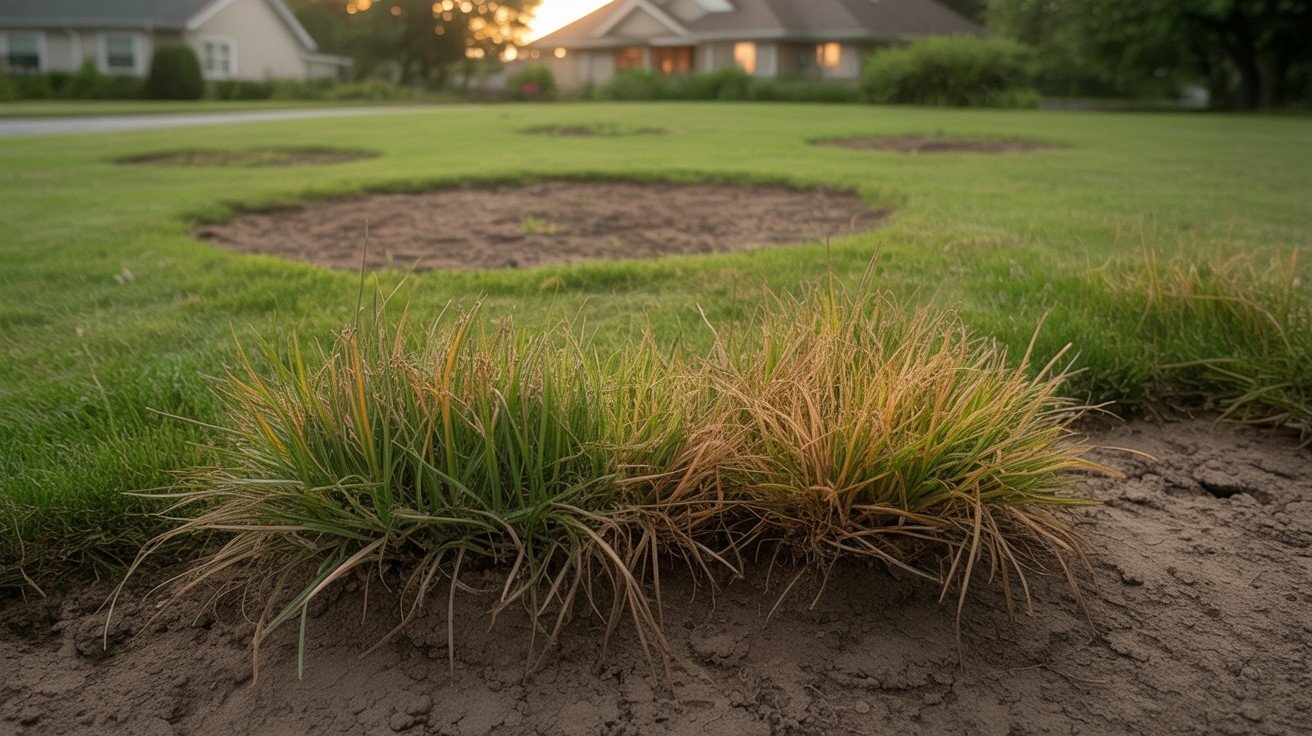
You water your lawn, but the grass still looks dry and stressed. The blades droop even after you run the sprinklers. This confuses most homeowners because more water doesn’t fix the problem.
Here’s what’s really happening: grubs are eating the roots underground. When the roots are damaged, they can’t soak up water anymore. The water sits in the soil, but your grass can’t drink it, so it stays wilted no matter how much you water.
2. Increased Weed Growth
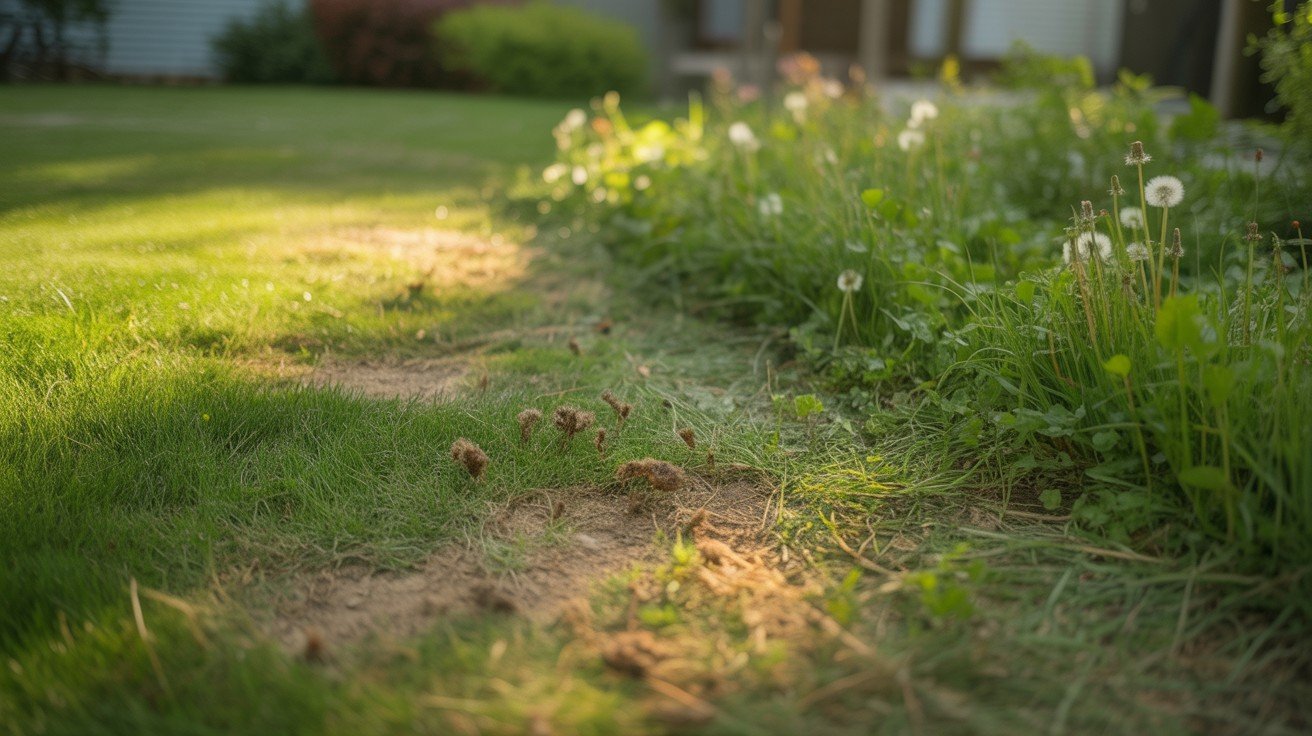
Weeds love weak grass. When grubs damage your lawn, weeds move in fast because healthy, thick grass isn’t there to block them. You’ll see crabgrass, dandelions, and other creeping weeds spread through the thin spots.
If your lawn was mostly weed-free and now weeds are suddenly taking over, grubs might be the real problem. They weaken your grass and create gaps where weeds can grow. Check for grubs if you notice a sudden weed explosion in your yard.
3. Slow Lawn Growth
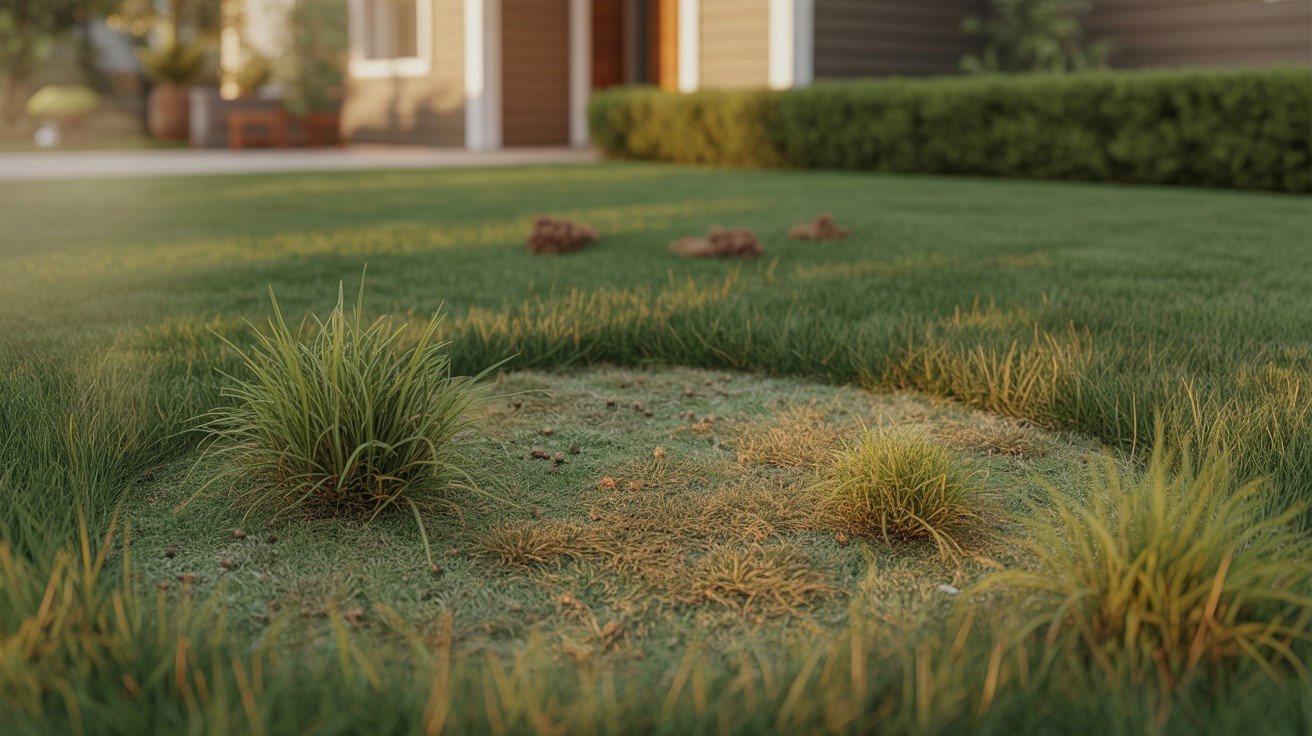
Your grass just sits there and won’t grow. Even with fertilizer and water, it stays short and thin. The blades look weak and don’t green up as they should.
This happens because grubs are eating the roots underground. Without healthy roots, the grass can’t grow properly or recover after you mow it. You’ll notice this problem before you even see brown patches on your lawn.
4. Animals Digging Up the Lawn
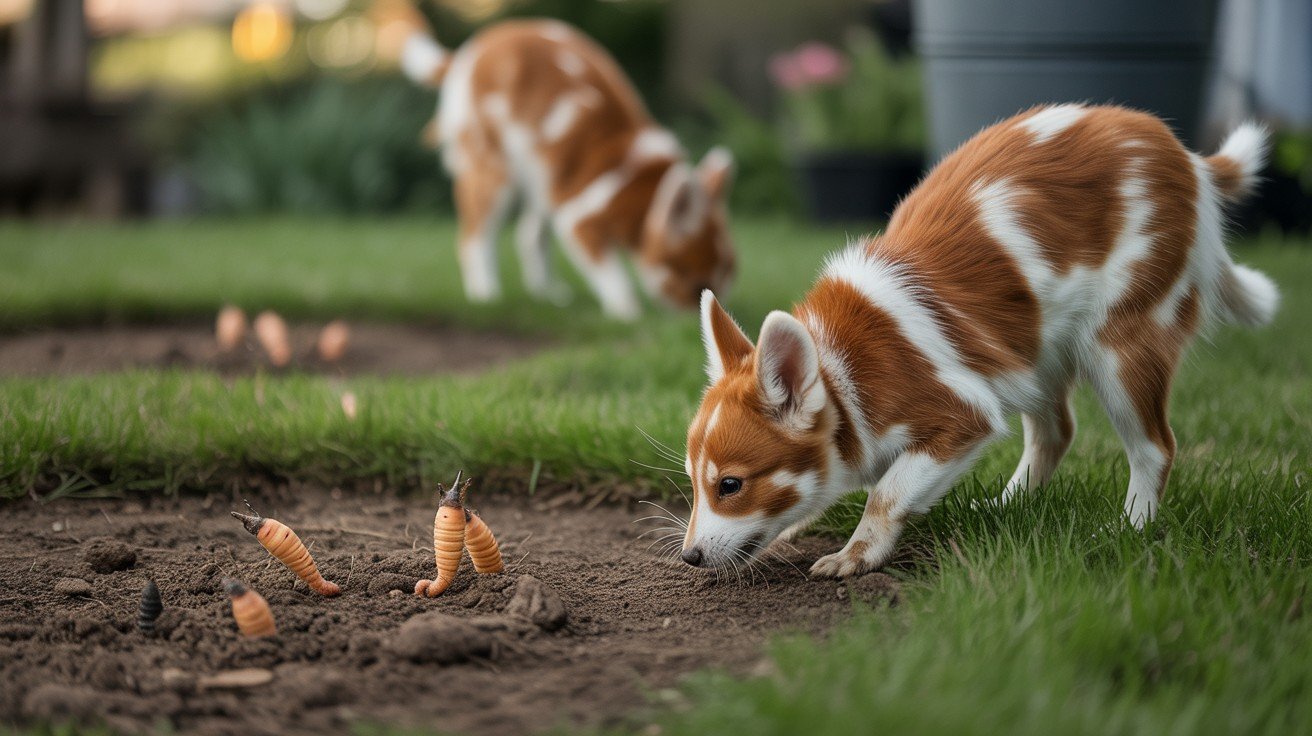
Torn-up turf is a huge red flag. Skunks, raccoons, birds, and other animals tear apart your lawn to eat the grubs below. You’ll wake up to chunks of grass flipped over and holes dug overnight.
This actually gives you helpful information. Animals only dig where there are lots of grubs to eat. If wildlife is tearing up your yard, you definitely have a grub problem underneath that needs fixing.
5. Presence of Additional Pests
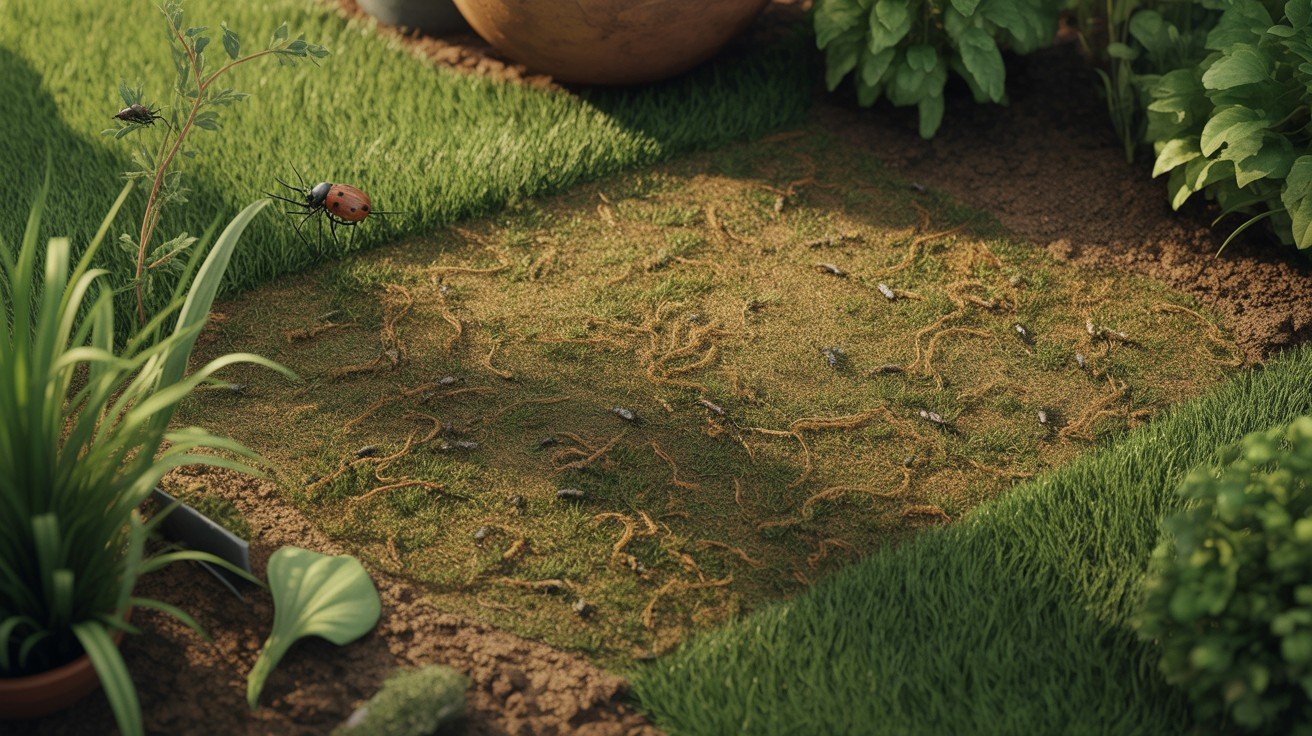
Grubs aren’t always alone. Other lawn pests like chinch bugs and cutworms can show up in weak grass, too. But there’s an easy way to tell if grubs are your main problem.
Check for root loss by lifting the grass in a damaged area. If it peels up like carpet with no roots attached, you have grubs. If the roots stay firm but the grass is dead, you’re dealing with different pests that feed on the surface instead.
6. Brown Patches That Appear in Late Summer
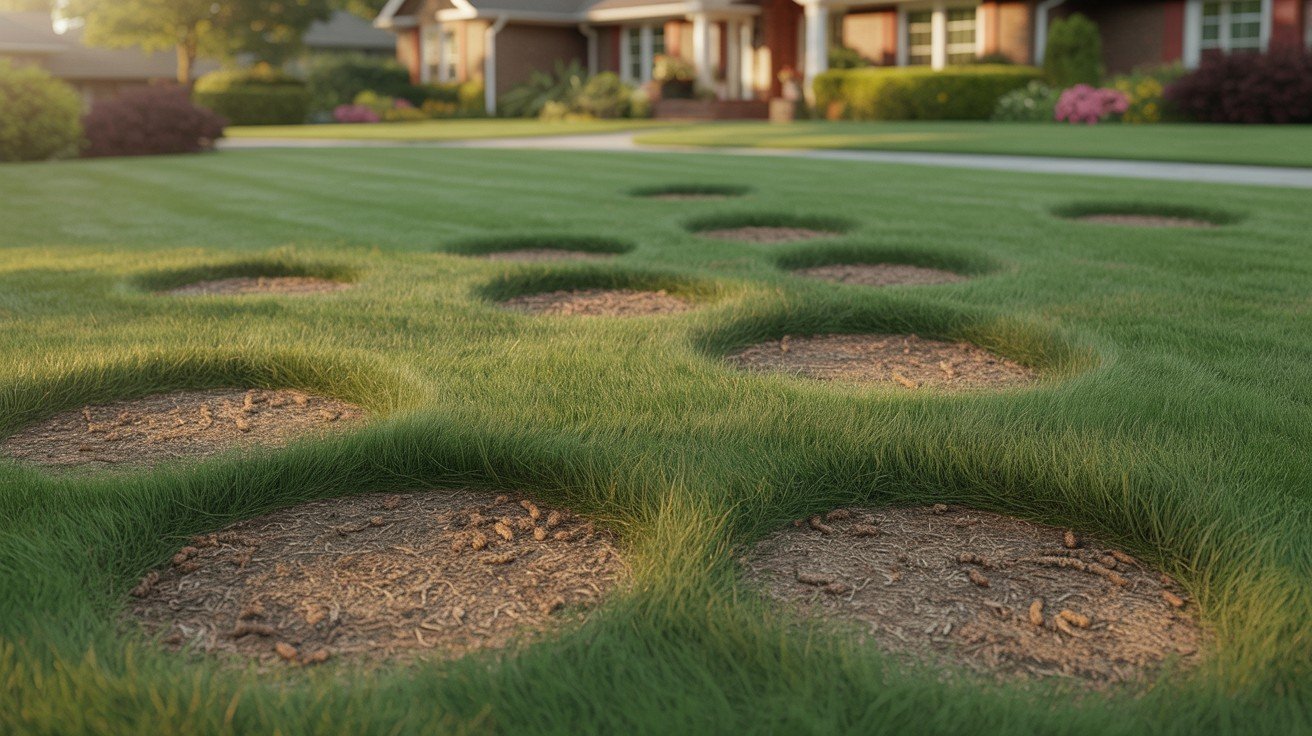
Dead spots show up when you least expect them. Late summer is when grub damage becomes easy to see because the grubs have been eating roots from July through September. By then, they’ve caused enough damage to kill patches of grass.
These brown patches start small and spread quickly. The grass turns tan or brown and feels dry when you touch it. Most homeowners think it’s just heat stress, but grubs are actually underground, eating the roots.
7. Spongy or Soft-Feeling Turf
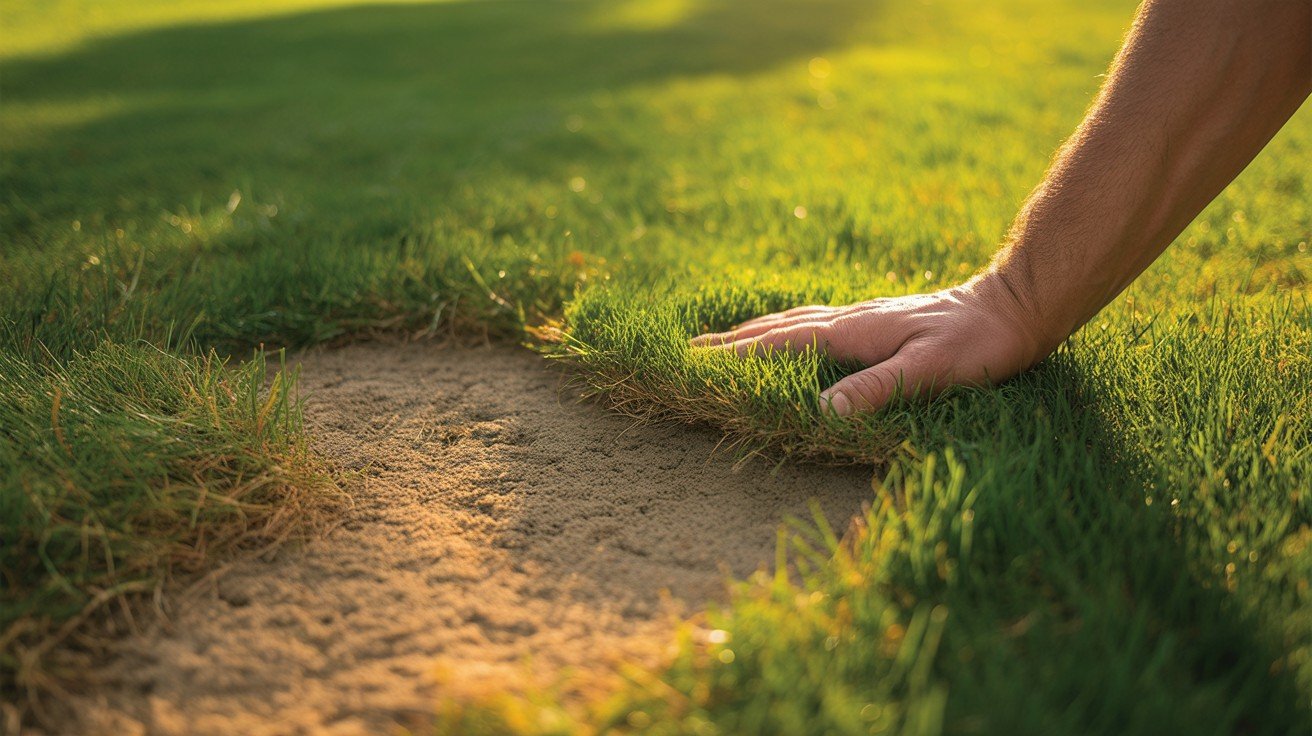
Your lawn feels different when you walk on it. The ground gives under your feet and feels spongy or bouncy. Healthy grass has firm roots, but when grubs eat them, the turf loses its grip on the soil.
Press down with your foot in a few spots. If it feels unstable or bounces back slowly, grubs have likely eaten most of the root system. The grass is barely holding on and feels almost like walking on a mattress.
8. Grass That Peels Back Like Carpet
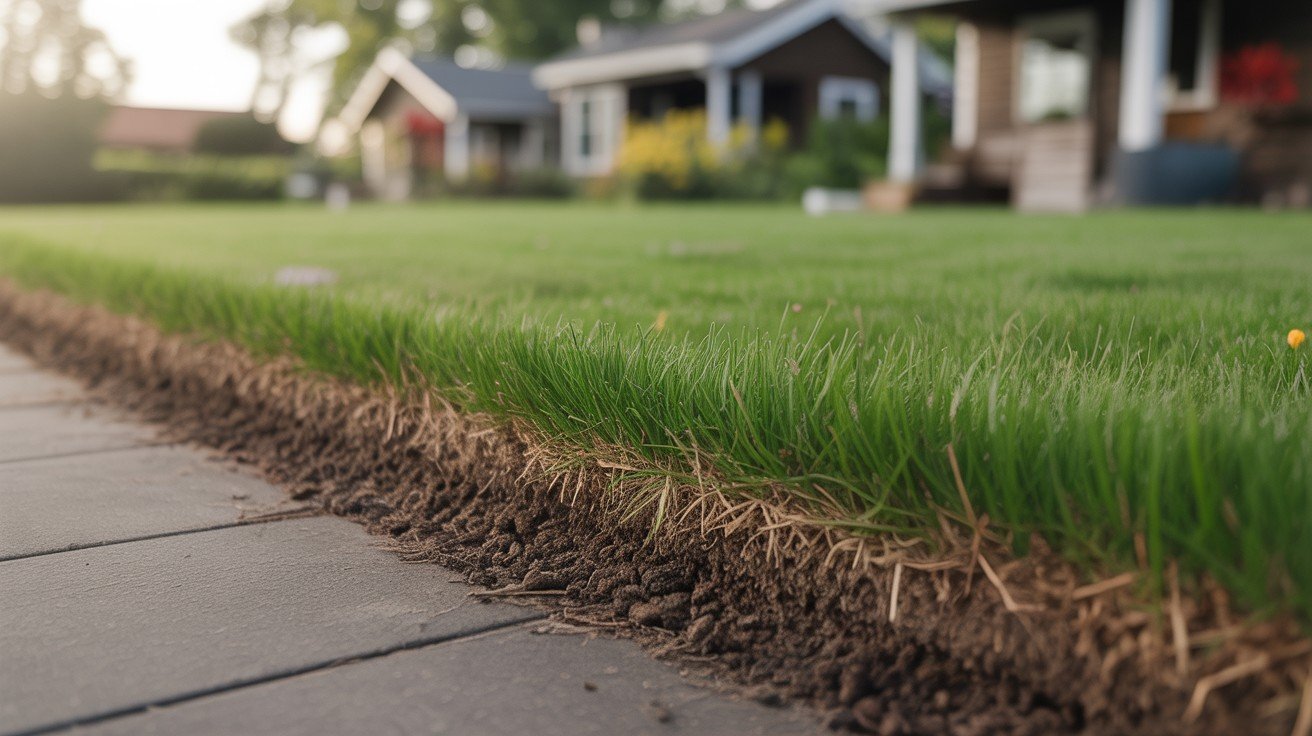
This is the best test for grub damage. Grab a handful of damaged grass and pull gently. If it rolls up like a rug with almost no resistance, you have grubs eating the roots.
The grass comes up in sheets because nothing is holding it down anymore. You’ll see bare soil underneath with no root system left. Try this test in multiple spots because healthy grass won’t lift this way. The roots anchor it firmly to the ground.
9. Visible White C-Shaped Larvae
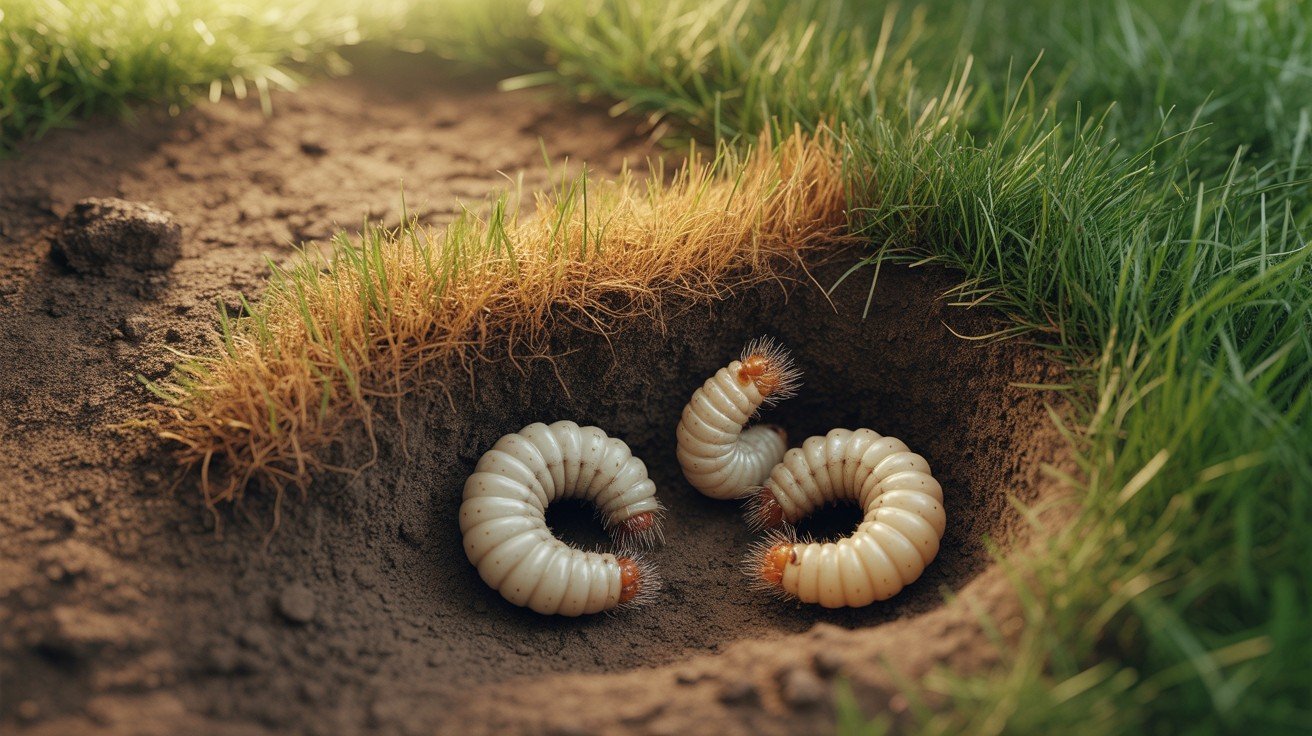
Sometimes you see the problem directly. Dig down 2 to 3 inches in a damaged area and look at the soil and roots. You’ll find white or cream colored grubs curled into a C shape with six legs near the head.
Count how many you find in a square foot area. Finding 5 or fewer means minor damage, but 10 or more means a serious problem. The grubs are fat and soft and squirm when exposed to light. These are the pests eating your lawn from below.
10. Birds Congregating on Your Lawn
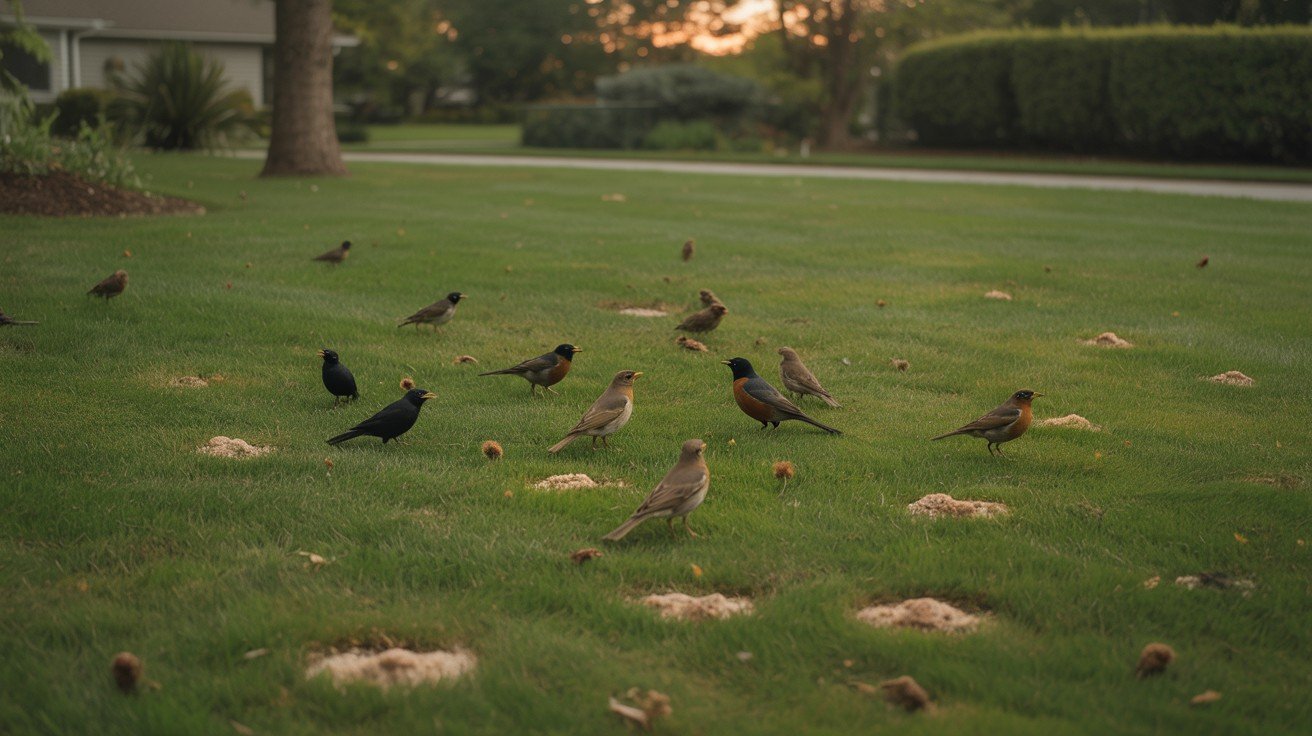
Your yard suddenly becomes popular with birds. Starlings, crows, and blackbirds gather on your lawn and peck at the grass constantly. They’re not there by accident because they know grubs are below the surface.
Birds have better grub detection than you do. If they’re spending lots of time on your lawn, they’ve found a food source. This often happens before you notice other damage signs, so pay attention when birds show up.
11. Irregularly Shaped Dead Spots
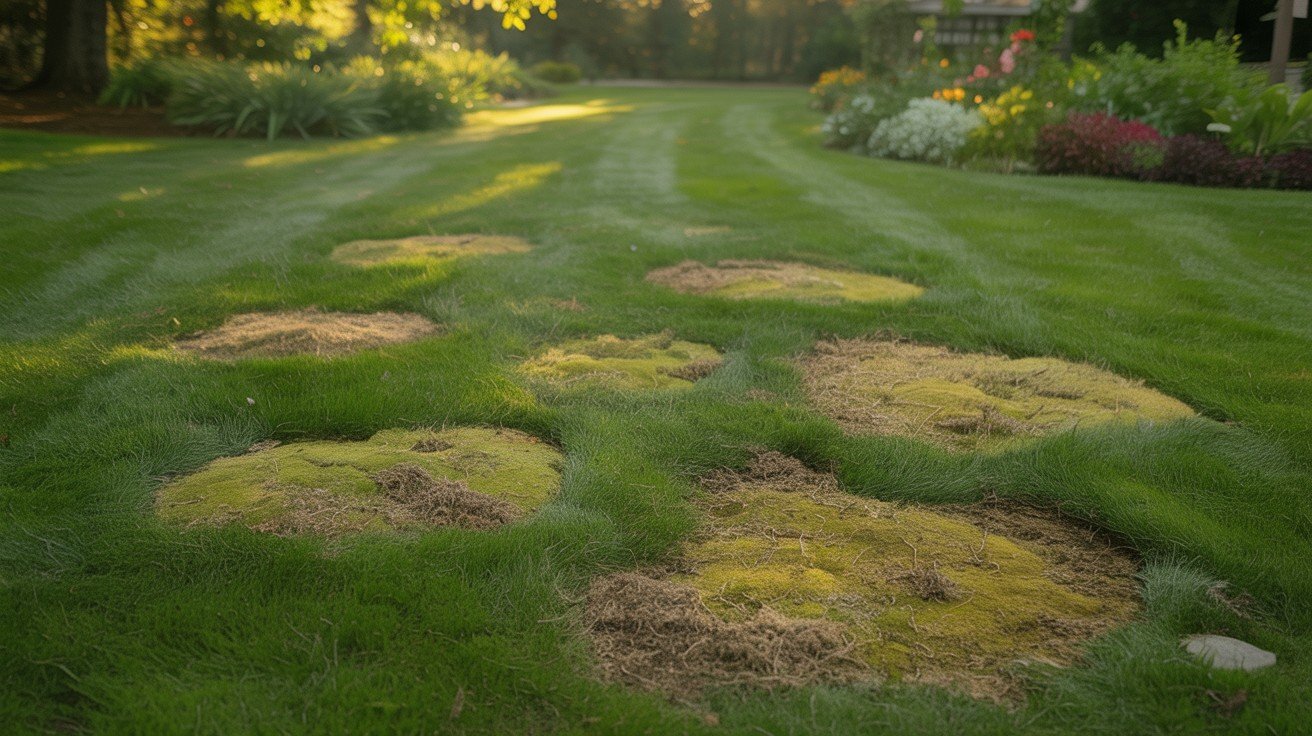
Brown patches from grubs don’t follow neat patterns. They look random and spread in odd directions with jagged, irregular edges. Disease or fungus creates circular dead spots, but grub damage looks completely different.
Grubs move through soil following food sources, so they don’t create symmetrical damage. The dead areas show up where grubs concentrated their feeding. If your brown patches look messy and unpredictable, grubs are the likely cause.
Grub Damage vs. Other Lawn Problems
Not every brown patch means grubs. Here’s how to tell the difference between grub damage and other common issues.
Grub Damage vs Drought Stress
Both cause brown grass, but the roots tell the truth. This test takes five seconds.
| Feature | Drought Stress | Grub Damage |
| What it looks like | Brown, dead-looking grass | Brown, dead-looking grass |
| The tug test | Grass won’t lift up | Grass peels up like carpet |
| Root condition | Roots hold firm and stay in the soil | Roots are eaten and destroyed |
| What’s happening | The grass is just too dry | Grubs ate the roots |
| What you need | Water | Grub treatment |
I always do the tug test first. It’s the fastest way to rule out grubs.
Grub Damage vs Overwatering
Spongy ground confuses people. Both problems make your lawn feel soft underfoot.
| Feature | Overwatering | Grub Damage |
| How ground feels | Soft and spongy | Soft and spongy |
| Soil condition | Wet, muddy, soggy | Dry and loose |
| What you see | Mushrooms, standing water in low spots | White larvae, loose turf |
| Grass attachment | Stays in place | Detaches easily |
| What’s wrong | Too much water | Grubs ate the roots |
| What to do | Water less | Apply grub treatment |
Check the soil moisture to know which problem you have.
Grub Damage vs Fungal Disease
Fungus creates patterns that grubs don’t. Look at the shape and timing of damage.
| Feature | Fungal Disease | Grub Damage |
| Pattern shape | Rings or spots with defined edges | Irregular patches |
| Examples | Brown patch, dollar spot, circular patterns | Randomly scattered areas |
| When it happens | Anytime conditions are right (usually humid, wet weather) | Peaks in late summer and early fall |
| How it spreads | Spreads irregularly but forms circles | Follows where larvae are feeding |
| Timing pattern | Random timing | Gets worse in late summer |
| What causes it | Fungus grows in wet conditions | Larvae actively eating roots |
Timing is a big clue. Grub damage peaks in late summer and early fall when larvae are actively eating. Fungus can strike anytime conditions are right, usually in humid, wet weather.
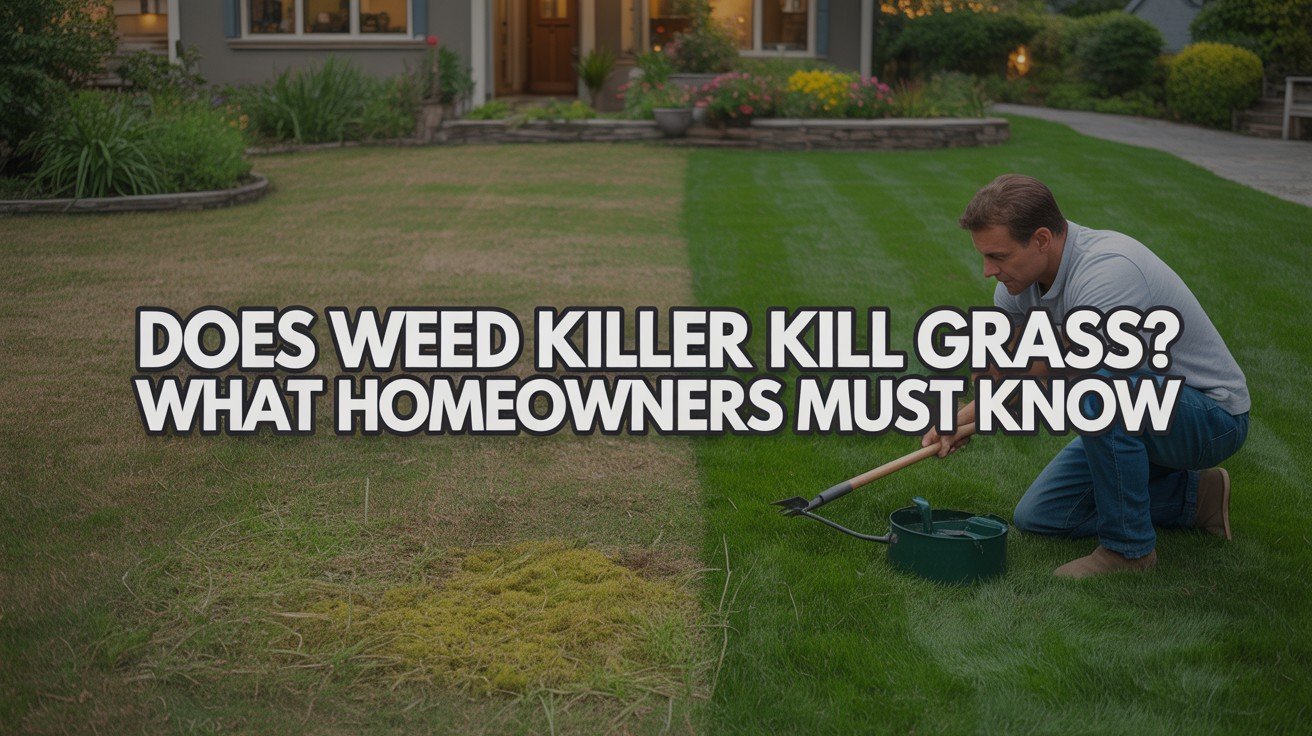
Grub Damage vs Herbicide Injury
Herbicide damage looks more organized. It follows where you sprayed.
| Feature | Herbicide Injury | Grub Damage |
| Pattern | Sharp, defined edges | Random patches |
| Where it appears | Follows your walking path or sprayer pattern | Shows up randomly across the lawn |
| Edge appearance | Clean, sharp lines | Uneven, scattered |
| When it happens | After you apply weed killer | Late summer to early fall |
| The lift test | Grass stays rooted in place | Turf lifts easily, rolls up like a rug |
| What caused it | Too much or wrong herbicide spray | Grubs are eating the roots |
If you recently applied weed killer, herbicide injury creates brown spots with sharp edges that follow your spray pattern. Grub damage appears randomly across your lawn.
How to Confirm Grub Damage?
You suspect grubs, but you need proof. Here’s how to check your lawn and confirm the problem.
- Cut 1 square foot sections and dig 2 to 3 inches deep: Use a sharp spade to cut out turf sections and peel back the grass carefully to look at the soil.
- Count every grub you see in each section: Don’t just check one area since grubs spread unevenly across your lawn.
- Test at least 3 to 5 different spots, especially near damaged patches: Check along the edges where healthy grass meets brown areas for the most accurate assessment.
- Check in late summer through early fall for best results: August through October is when grubs are at their largest size and doing maximum damage.
- Spring grubs are small and hard to spot: By late summer, they’re fat, hungry, and eating aggressively, making them much easier to find.
What Happens if You Ignore Grub Damage?
Grub problems don’t fix themselves. They get worse, fast. Here’s what you’re facing if you wait.
- Roots get fully consumed, and grass dies in weeks with no chance for recovery: Without roots, grass can’t absorb water or nutrients.
- Damage spreads to healthy areas as grubs move: What started as a few bad spots becomes large sections of dead lawn.
- Small patches become entire sections of mostly dirt and weeds: Grubs can destroy half a lawn in one season.
- Fixing severe damage requires major renovation with new sod or seed: You’ll need soil prep and months of ongoing maintenance and watering.
- Full lawn replacement costs $1,500 to $5,000 or more: Treating grubs early with a $30 to $60 bag of grub killer costs a fraction of this.
What to Do If You Spot Grub Damage?
You found grubs, now what? Here’s your action plan to stop the damage and fix your lawn.
Apply Grub Control at the Right Time
Timing determines which product you need. Prevention and treatment use different chemicals.
Apply preventative products in early summer before grubs hatch. Look for chlorantraniliprole on the label. These stop the problem before it starts. For active infestations in late summer or fall, you need curative products:
- Preventative (early summer) = chlorantraniliprole
- Curative (late summer/fall) = carbaryl or trichlorfon
- Follow label directions exactly
- Water in immediately after application
Don’t wait until spring. By then, grubs have already done their damage and are becoming inactive. Treat in late summer or early fall when they’re actively feeding.
Repairing Damaged Turf
Killing grubs is step one. You still need to fix the dead grass.
Water your lawn deeply after applying grub control. This helps the product reach the soil where grubs live. Then assess the damage. Light damage recovers on its own. Severe damage needs help:
- Water deeply for 1,2 weeks
- Remove dead grass from bare areas
- Aerate compacted soil
- Reseed thin spots or resod large dead sections
- Keep the new seed moist until established
Aeration is critical before reseeding. Compacted soil won’t let new roots grow. Loosen it up first, then add the seed. Give new grass plenty of water and time to establish.
Strengthening Your Lawn Against Future Damage
Healthy lawns resist grub damage better. Build strong turf that can handle pest pressure.
Thick, deep-rooted grass survives minor grub feeding. Weak grass dies fast. Focus on the basics that create tough turf:
- Water deeply but less often (encourages deep roots)
- Fertilize 2-4 times per year
- Mow at the proper height for your grass type
- Fix drainage problems that cause overwatering
Strong grass = fewer pest problems overall. You’ll still get some grubs, but healthy turf can tolerate low numbers without visible damage. Prevention through good care beats emergency treatment every time.
Conclusion
Now you know what grub damage looks like on your lawn. Brown patches, soft spots, and dead grass are warning signs that something is wrong. Catching these issues early gives you a better chance to fix them before they spread.
Keep an eye on your yard during late summer and early fall when grubs are most active. If you are unsure, pull back a small section of grass and check for the white, C-shaped larvae hiding in the soil.
Repairing grub damage is manageable with the right steps. Your lawn can grow thick and healthy again once the problem is treated. If you have found grubs in your yard, leave a comment and share what worked for you so others can benefit from your experience.
Frequently Asked Questions
What does grub damage look like in the early stages?
Early grub damage appears as grass that stays wilted despite watering, slow growth, and increased weed invasion. You might not see brown patches yet, but the grass looks stressed and thin. Animals may start digging small holes searching for grubs before visible turf damage appears.
Can grass recover from grub damage on its own?
Lightly damaged grass can recover if you treat the grubs quickly. However, severe damage where roots are completely eaten won’t regenerate naturally. These areas require reseeding or resodding after grub treatment. The key is catching and treating infestations early before total root loss occurs.
What time of year does grub damage appear?
Grub damage is most visible in late summer through early fall (August-October). This is when grubs are largest and feeding aggressively. You might see early signs in mid-summer, but the worst damage occurs as grubs mature and consume more roots before winter.
How do I know if it’s grubs or just drought?
Do the tug test. Grab brown grass and pull gently. Drought-stressed grass stays firmly attached to the soil with intact roots. Grub-damaged grass peels up like carpet because roots are eaten away. This simple test gives you a definite answer in seconds.
Will treating grubs save my brown grass?
Treating grubs stops further damage but won’t revive dead grass. If roots are partially intact, grass may recover with proper watering. Completely dead sections with no roots need reseeding or resodding. Always treat active grubs first, then assess what repair work is needed.