
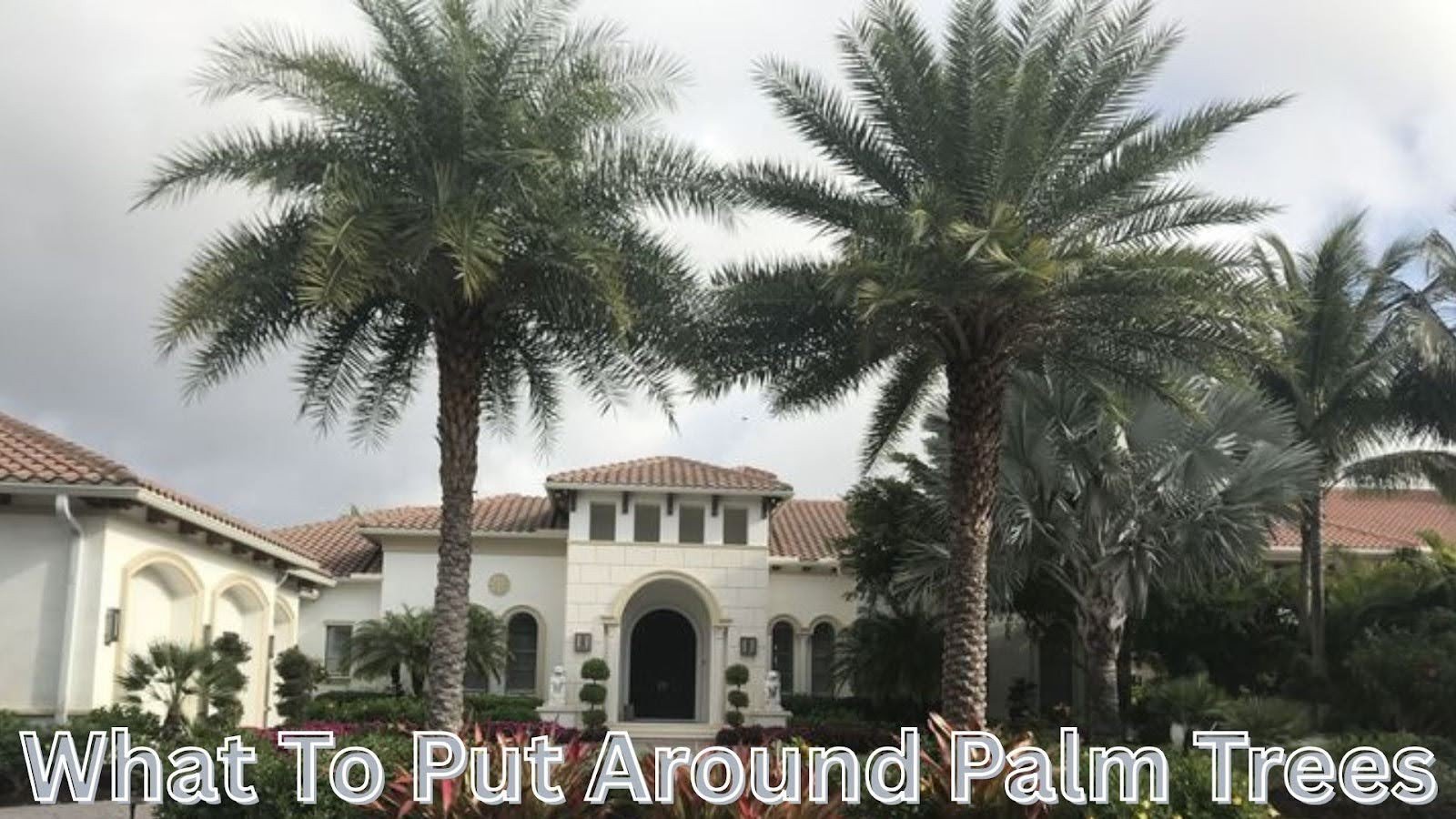
Have you ever noticed the soil around your palm trees without any plants and thought it might be nice if it looked more appealing? You’re not the only one. Most of the people who own a home find it difficult to deal with that empty circle of earth at the base of their palms.
The better side of the story is that it is absolutely not difficult to revamp that area with lovely plants, colorful mulch, or decorative rocks. When you know what to place around palm trees, the look of your home can be like a tropical resort.
Such an article always assists you in getting familiar with incredible natural choices along with creative ideas for making your palm corner attractive. By the time you depart, you will have all the info required to turn the empty into something unique.
Best Plants to Put Around Palm Trees
Let me walk you through the top plant choices that will make your palm tree area come alive with color and texture.
Crotons: Vibrant Foliage Companions
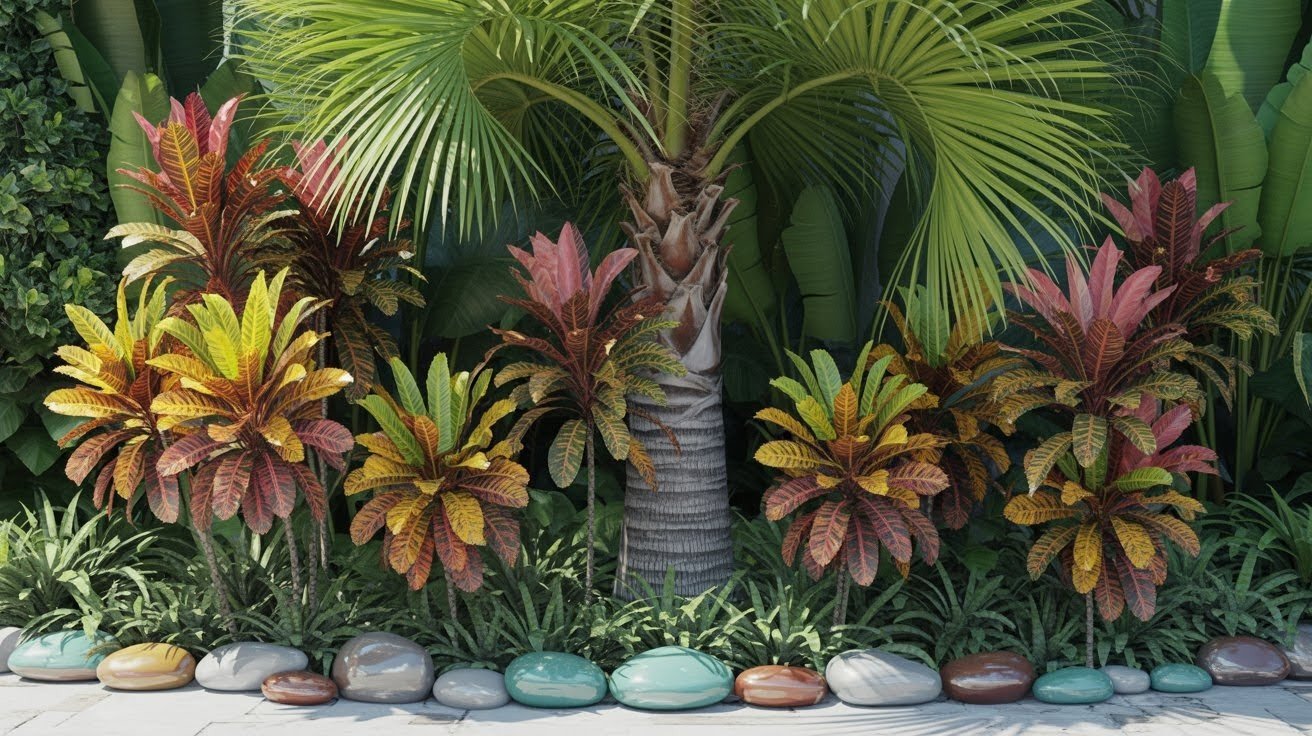
Crotons are my go-to recommendation when people ask what to put around palm trees. These plants offer an incredible range of leaf colors, including red, yellow, orange, pink, copper, and green, all on the same plant.
Plant your crotons about 2-3 feet away from the palm trunk to give both plants room to grow. They thrive in zones 10-11 and can handle full sun to partial shade. Their colorful leaves create year-round interest without any flowers needed.
Here’s a fun tip I’ve used in my own yard: add painted rocks or beach glass around the crotons for extra visual pop. The smooth stones catch the light and complement the colorful foliage beautifully.
Bromeliads for Tropical Texture
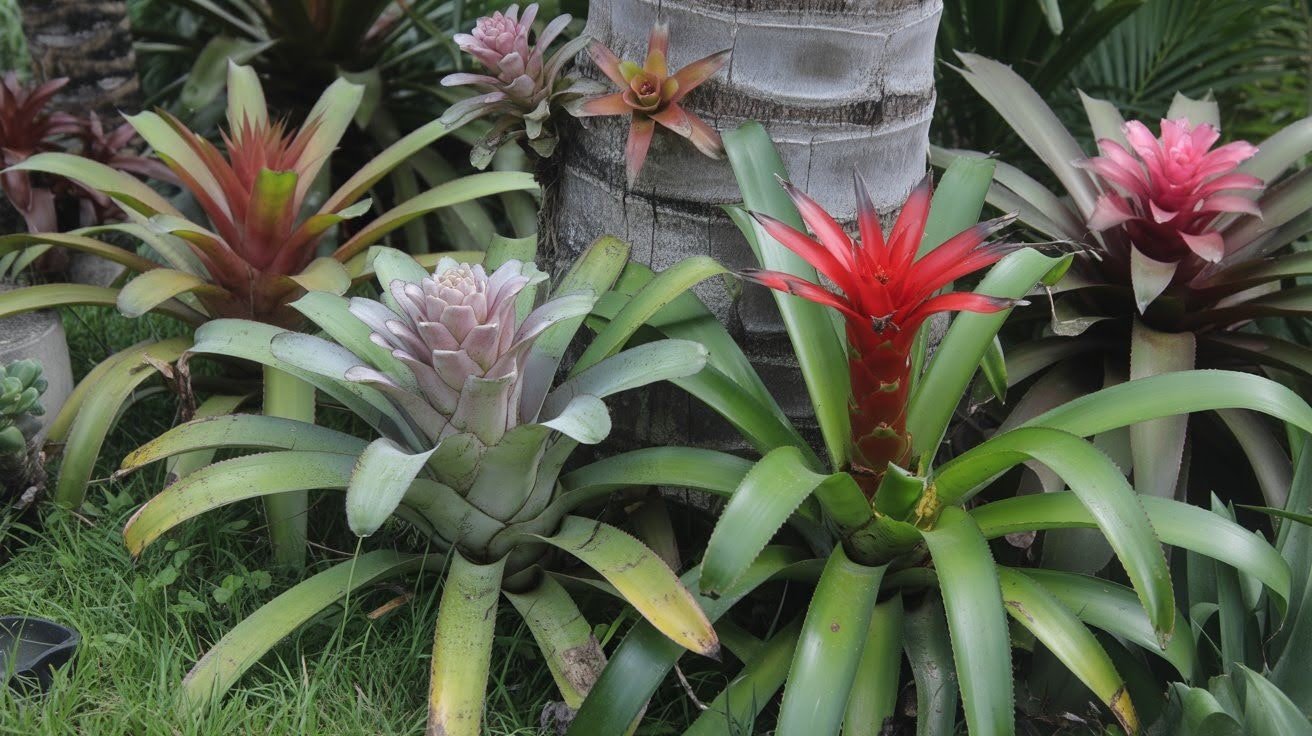
Bromeliads bring that authentic tropical look with their long, stiff, colorful leaves that stand out against palm fronds. Their exotic flowers bloom in shades of red, pink, and purple, and some varieties have striped foliage that adds even more interest.
Place these beauties 1-2 feet from your palm trunk. What I love most about bromeliads is their epiphytic na; tu; they’re naturally low maintenance and drought-tolerant once established. This makes them perfect for busy homeowners.
You can use bromeliads as groundcovers for a fuller look, or attach smaller varieties directly to the palm trunk for a unique design element. They’re incredibly versatile and forgiving plants.
Ferns for Lush, Tropical Understory
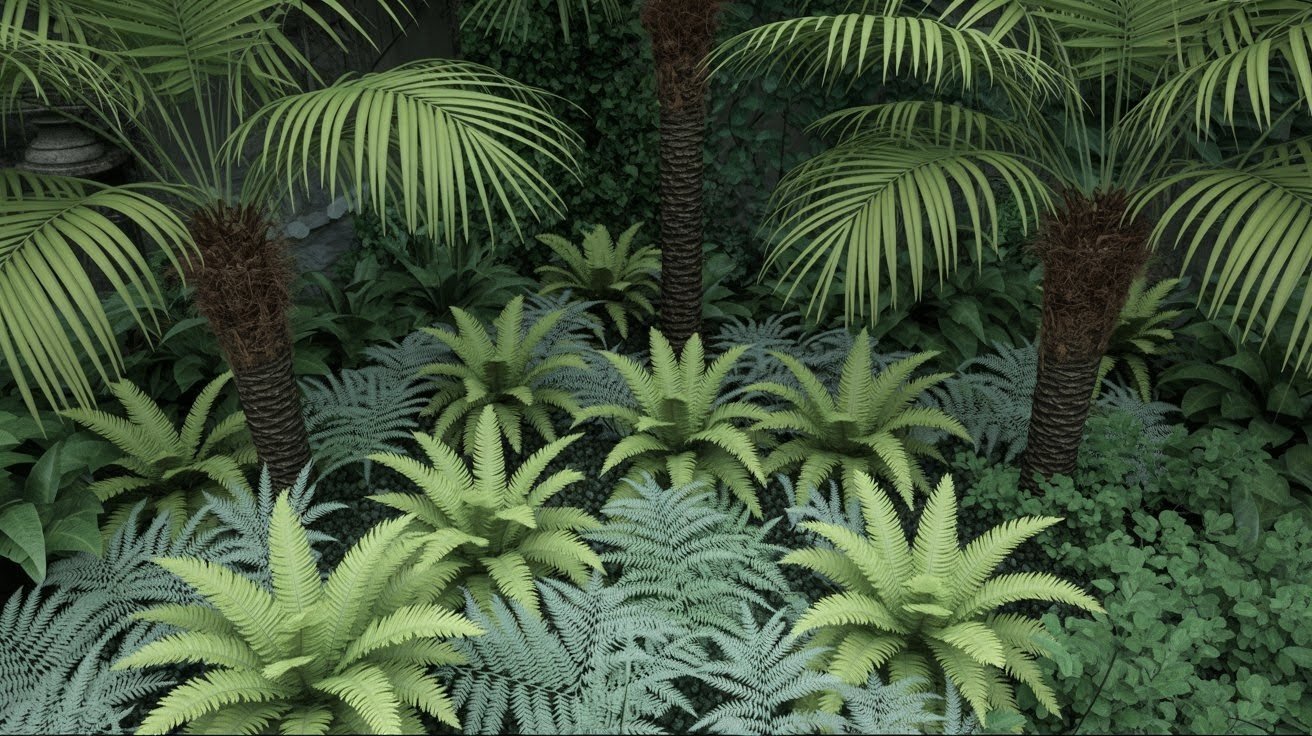
Ferns absolutely love the shade that palm trees provide. When you plant ferns around your palms, you create the illusion of a miniature forest floor that feels cool and inviting.
Try varieties like holly fern, maidenhair, or bird’s nest fern. Each offers different textures and heights, but all thrive in the filtered light under palm canopies. They need regular moisture, so they’re perfect if you already water your palms frequently.
I like to cluster ferns close to the trunk to create that fairy garden effect. Group three to five plants together rather than spacing them evenly, and you’ll get a more natural, lush appearance.
Heliconias (Lobster Claw Flowers)
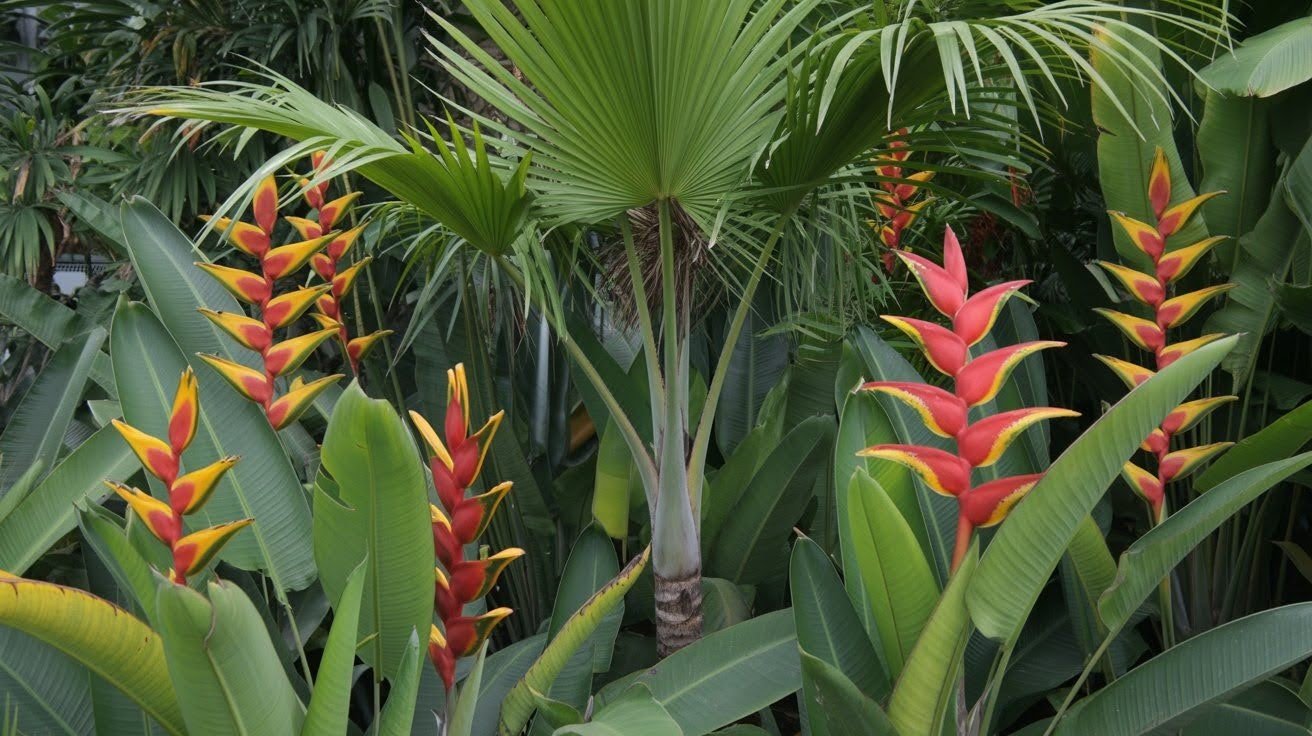
Heliconias are showstoppers with their bright bracts in red, orange, yellow, and pink. These tropical plants make a bold statement and bloom throughout the warm months, giving you constant color.
Plant heliconias 1-3 feet from your palm, depending on the variety size. For smaller yards, try compact varieties like ‘Golden Torch’ that only reach about 1 foot tall. Larger varieties can grow up to 6 feet, so plan accordingly.
Even when not blooming, heliconias offer textural interest with their stiff, oblong leaves. They create a layered look that adds depth to your landscape and makes the whole area feel more intentional.
Caladiums for Colorful Groundcover
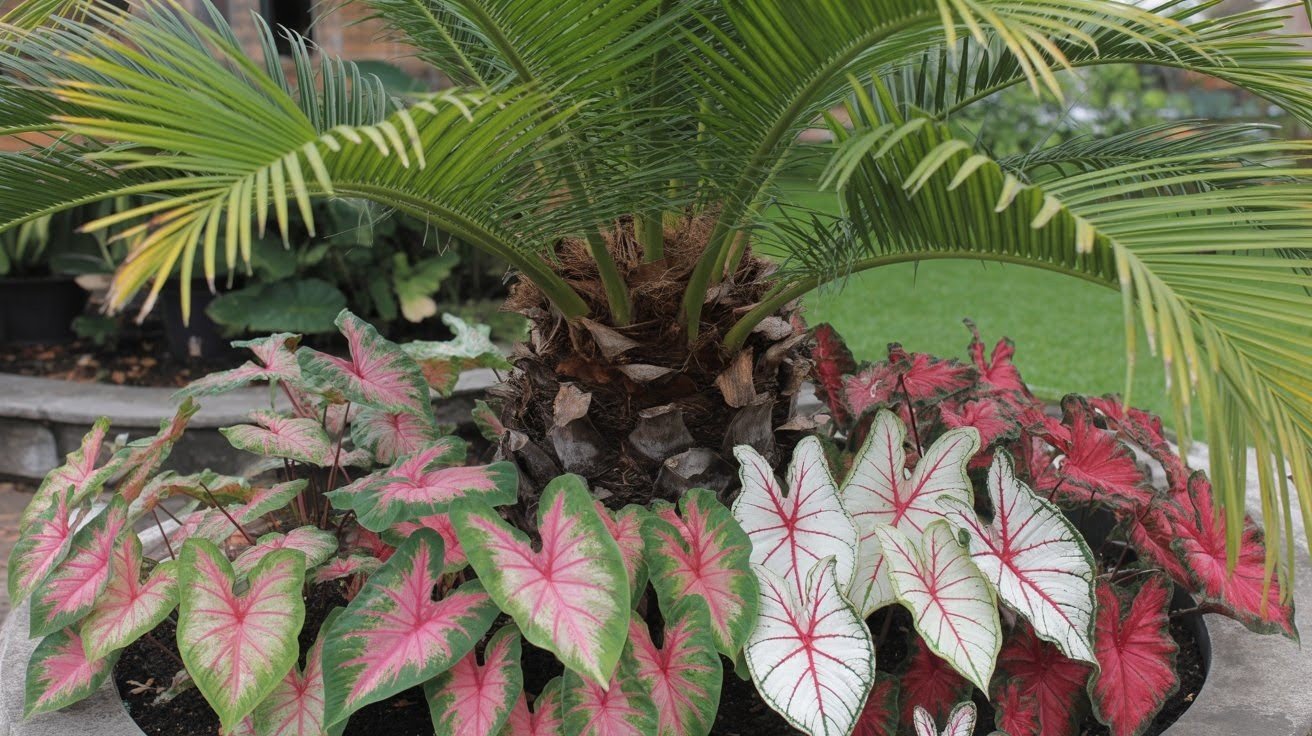
Caladiums deliver amazing leaf combinations like pink with green or white with red. These shade-loving plants typically grow 1-2 feet tall, which means they won’t compete with your palm’s height or block its view.
Plant caladium bulbs 6-12 inches from the palm trunk. They fill in quickly during the growing season and create a carpet of color that draws the eye downward. This helps balance the tall vertical lines of your palm.
In cooler climates, you’ll need to dig up the tubers in the fall and store them over winter. It’s a bit of extra work, but the seasonal color show is absolutely worth it.
Palm Tree Landscaping Lighting Ideas
Proper lighting can completely change how your palm trees look after sunset, turning them into focal points that define your outdoor space.
Uplighting for Evening Drama
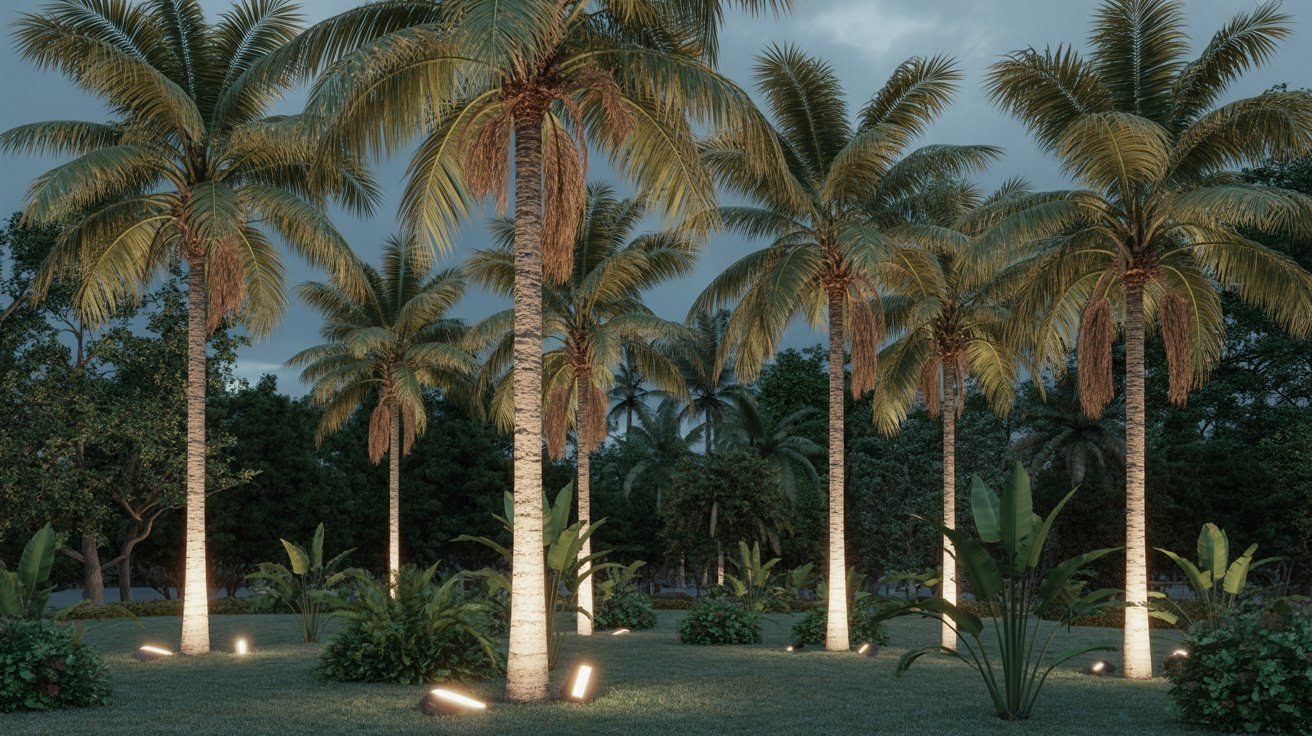
MR-16 bulbs placed at the base of tall palms create incredible evening drama. The light travels up the trunk and highlights the palm’s structure, casting interesting shadows through the fronds.
Choose different beam widths and wattages to create custom effects. Narrow beams create sharp, focused light on the trunk, while wider beams wash across the fronds for a softer glow.
This type of lighting works great for outdoor entertaining. Your guests will love the ambiance, and the lighting makes your whole yard feel more finished and intentional.
String Lights for Festive Atmosphere
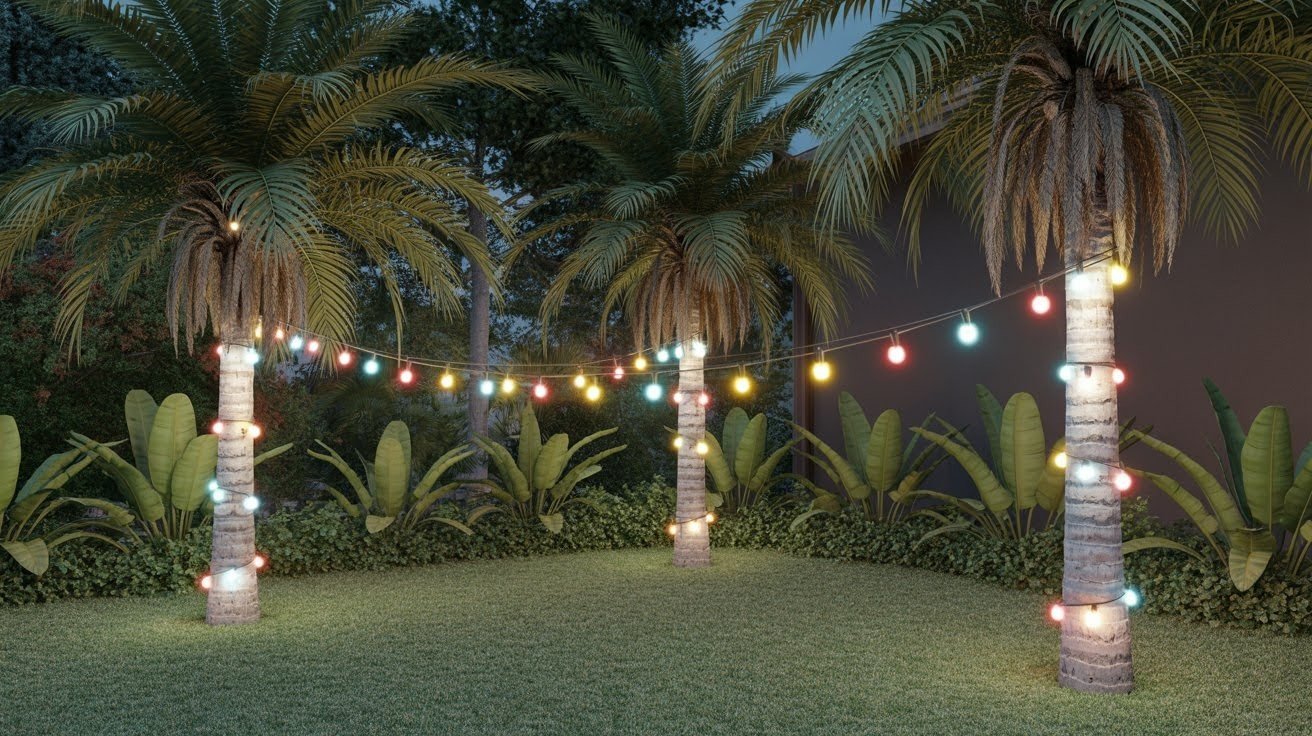
String lights wrapped around palm trunks or hung between multiple palms create that perfect resort-style evening feel. They’re ideal for party areas and entertainment spaces.
Use weather-resistant LED string lights that can handle humidity and rain. Warm white bulbs give a cozy, inviting glow, while colored bulbs work great for festive occasions.
I recommend installing string lights on a dimmer switch so you can adjust the brightness based on the occasion. This flexibility lets you create different moods throughout the year.
Moonlighting for Natural Effect
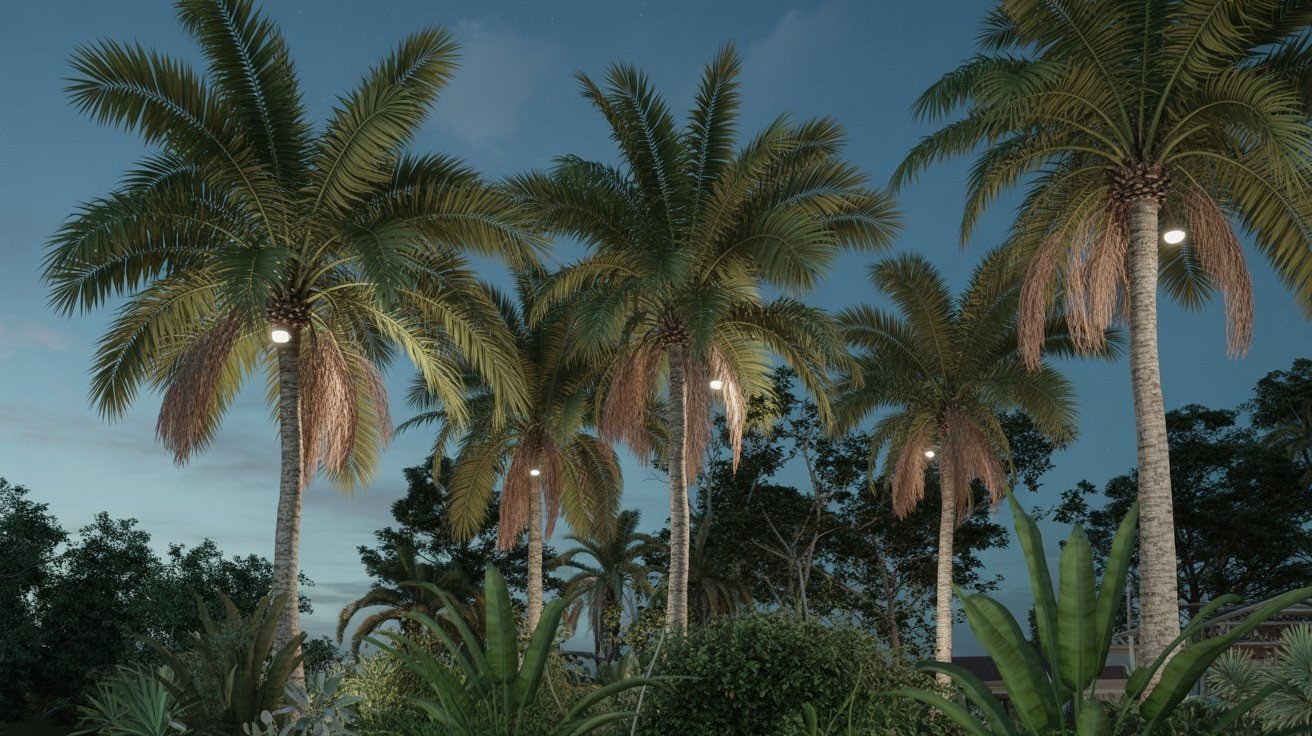
Install lights high in the palm fronds to create a moonlighting effect that mimics natural moonlight filtering through leaves. This creates soft, dappled shadows on the ground below.
This technique works best with taller palms that have full canopies. The light should be subtle and diffused rather than bright and obvious.
Moonlighting is perfect for pathways and seating areas under palms. It provides enough light for safety without being harsh or overwhelming.
Path Lighting Around Palm Groupings
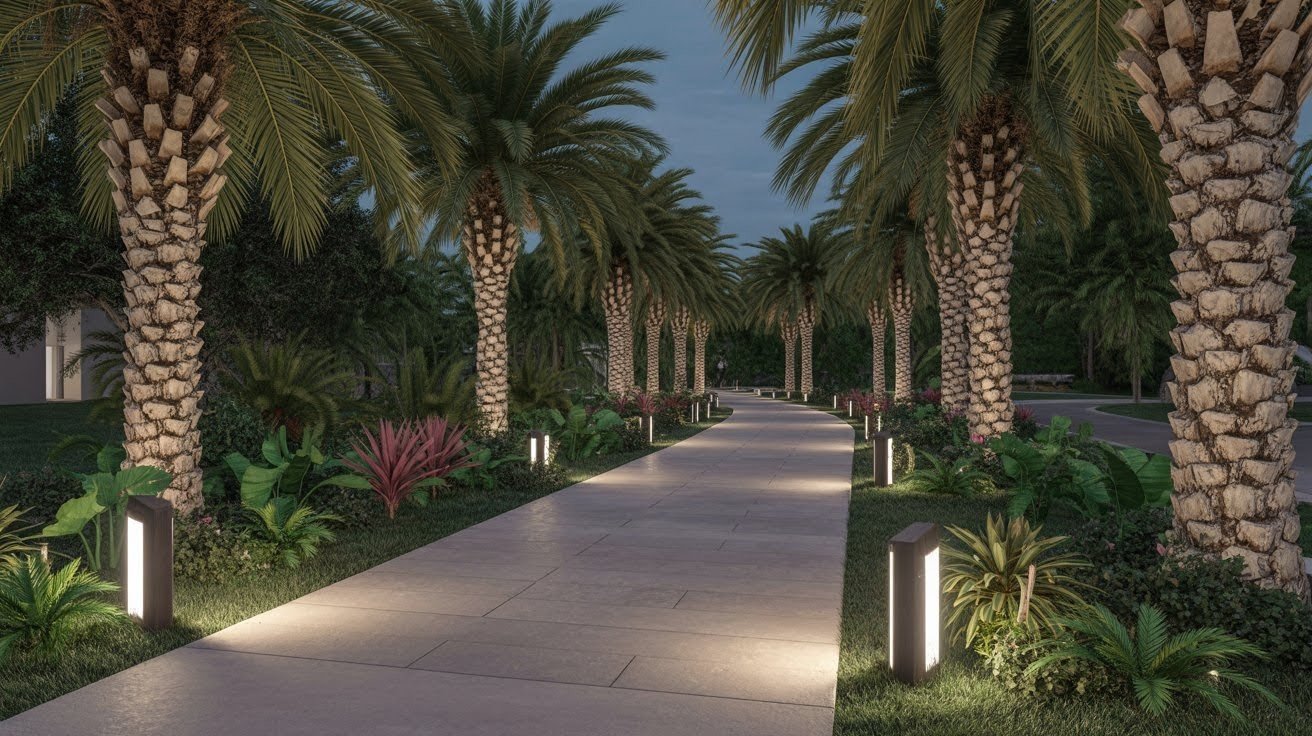
Low-voltage path lights placed around palm groupings help define walkways while showing off your landscaping. Space them 6-8 feet apart for even illumination.
Choose fixtures that complement your home’s style. Modern homes look great with sleek, minimal fixtures, while tropical homes can handle more decorative options.
Path lighting serves double duty; it keeps your property safe at night while highlighting all that beautiful work you did choosing what to put around palm trees.
Solar Accent Lights for Sustainability
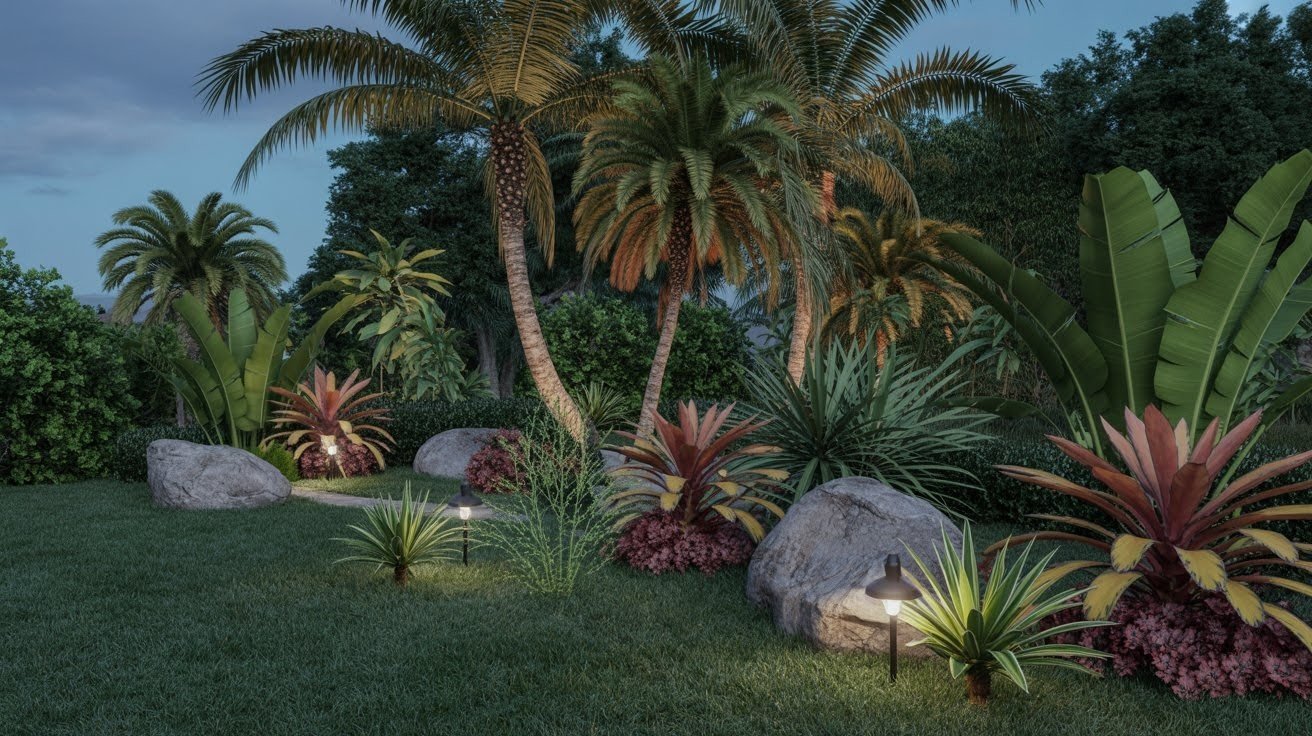
Solar-powered accent lights offer an eco-friendly way to highlight specific plants or decorative elements around your palms. They charge during the day and automatically light up at dusk.
Place solar lights among crotons, bromeliads, or other colorful plants to make them visible even after dark. This extends your enjoyment of your landscape into the evening hours.
Modern solar lights are much brighter than older versions and can last several hours. They’re perfect for homeowners who want lighting without the hassle of running electrical lines.
Accent Spotlights for Highlighting Details
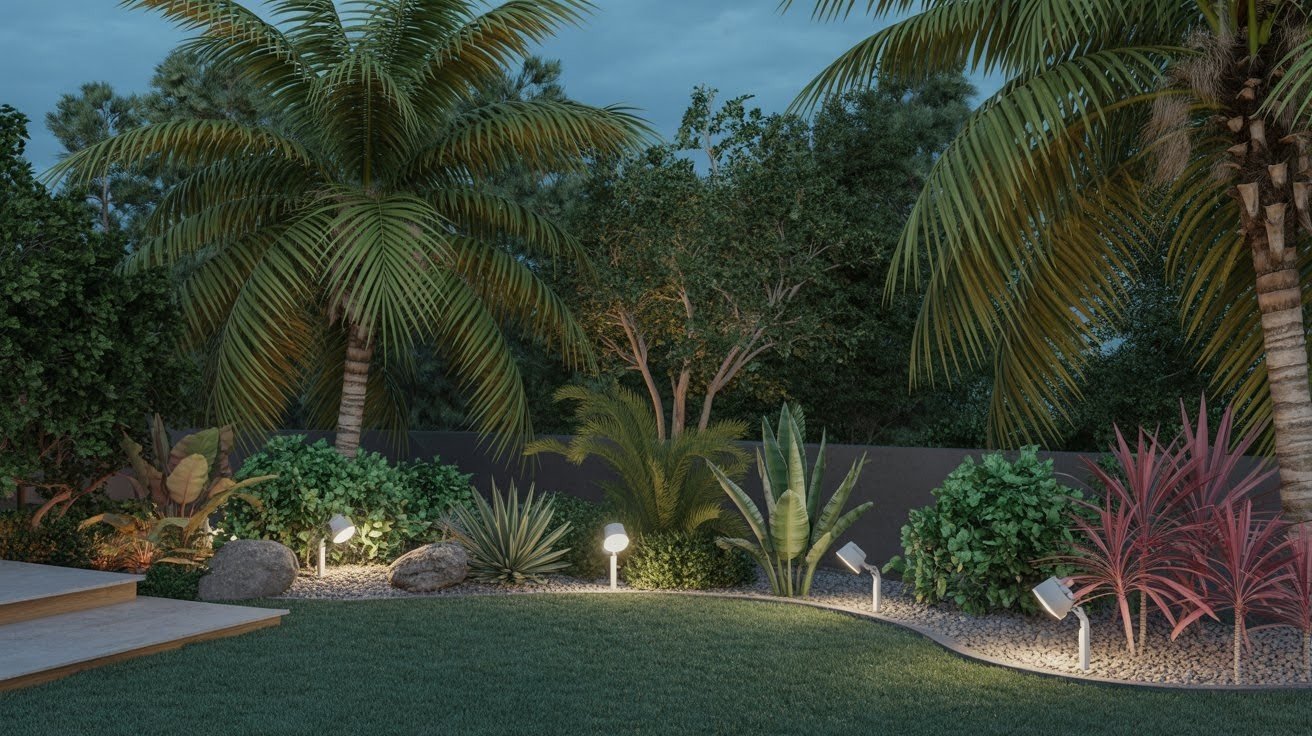
Accent spotlights are perfect for drawing attention to specific features around your palms, like a cluster of colorful plants or a decorative rock arrangement. I like placing small, adjustable spotlights near crotons or bromeliads to make them pop at night.
These lights are easy to reposition, so you can experiment with angles until you get that soft glow that highlights textures and colors without overpowering the area. In my own yard, I often move them around seasonally to match blooming patterns.
Using accent spotlights adds depth to your landscape after dark. It feels personal when a guest notices the subtle lighting on a favorite plant or unique decorative element, it shows attention to detail without being flashy.
Soft Lanterns for Cozy Corners
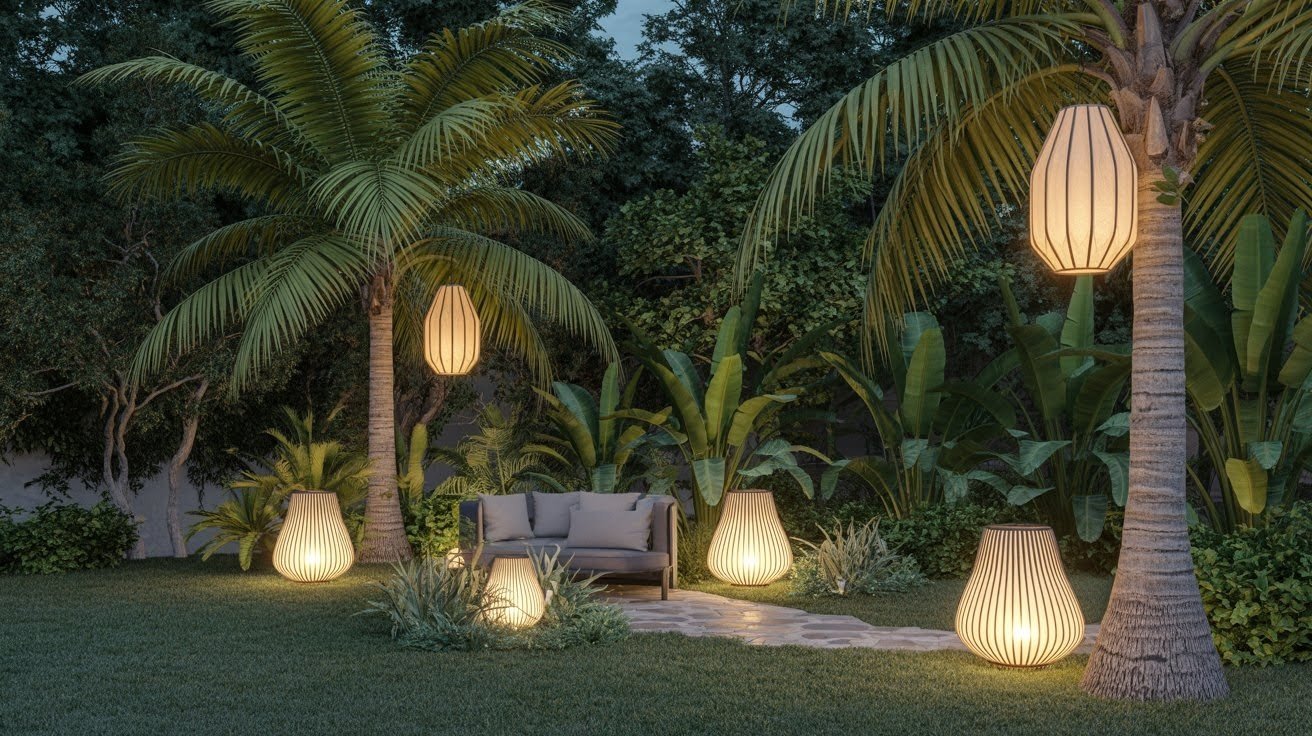
Soft lanterns create a warm, inviting vibe around seating areas near palms. I love using a mix of hanging lanterns and freestanding ones to create layers of light that feel natural and cozy.
They’re also incredibly flexible. You can place them along a pathway, near a bench, or beside a decorative plant group. I usually switch the bulbs to soft white LEDs for evenings when I just want a relaxed, peaceful atmosphere.
Lanterns make the space feel lived-in and welcoming. When friends come over, they often comment on how calming the light feels while sitting under the palm fronds. It’s a simple trick that makes your yard feel extra special.
Tips to Avoid in Palm Tree Landscaping
Let me share some common mistakes I’ve seen so you can avoid them when deciding what to put around palm trees.
- Don’t plant too close to the trunk: Keep plants at least 12 inches away from the palm trunk to allow proper air circulation. This prevents disease and pest issues while keeping your palm healthy.
- Avoid mixing plants with different water needs: If you plant drought-tolerant bromeliads right next to water-loving ferns, one group will suffer. Stick with plants that have similar requirements for sun, shade, and moisture.
- Don’t forget about mature plant sizes: That cute little elephant ear might seem perfect now, but it could overwhelm the space in a year or two. Always check mature heights and spreads before planting.
- Skip plants that compete for nutrients: Large shrubs or aggressive growers can steal nutrients from your palm. Choose companion plants that stay relatively compact and won’t send roots deep into the palm’s feeding zone.
- Don’t ignore your palm’s shade pattern: Watch how the sun moves across your palm area before planting. Some spots might get morning sun and afternoon shade, while others stay shaded all day.
Conclusion
Creating the best space around your palms is something most people would be surprised to find out is very simple. By using a nice mix of colorful plants such as crotons and caladiums, practical mulches, and decorative rocks.
Always First, choose one or two types of plants that are suitable for your climate and light conditions. Do not, however, feel that you have to do everything at once. Different combinations can be tested until you see what you are able to work with in your yard and maintenance style.
In just suddenly that you are designing a complicated layout with several palms and a vast planting area, it would be a good idea to consult a local landscaping professional. They have the expertise to assist you in preventing expensive errors and establishing a unified design.
Frequently Asked Questions
What is the best groundcover to put around palm trees?
Bromeliads and ferns make excellent groundcovers around palms. They thrive in shade, need minimal care, and create that tropical look naturally. For lower maintenance, organic mulch or decorative rocks work well and help with moisture control.
How far should I plant flowers around palm trees?
Plant flowers 12-24 inches from the palm trunk, depending on their mature size. This distance allows proper air circulation around the trunk and prevents root competition. Larger plants like elephant ears need more space than smaller plants like caladiums.
Can I plant directly against the palm trunk?
No, you should avoid planting directly against the palm trunk. This can trap moisture, promote disease, and create pest problems. Always leave several inches of clear space around the trunk. Use mulch or small rocks in that immediate area instead.
What type of mulch works best around palm trees?
Organic mulches like pine bark, cypress, or coconut coir work best around palms. They help retain moisture, control weeds, and break down to add nutrients. Apply 2-3 inches of mulch, keeping it away from the trunk to prevent rot.
Do rocks or plants look better around palm trees?
Both options work well. It depends on your preference and maintenance level. Plants create more color and d tropical feel, but need regular care. Rocks require no maintenance and work great in hot, dry climates. Many people combine both for the best results.